The Story Of… Gun’s Failed 0141 632 6326 Album
Coming off Swagger, Scottish rockers Gun looked like a band on the rise.
They had cracked the UK Top 10, landed their biggest hit with Word Up, toured with the likes of Bon Jovi and Def Leppard, and built the sort of momentum that usually points to bigger things ahead.
And then, in 1997, they released 0141 632 6326.
It remains one of the strangest left-turns in British rock of the 1990s: an album that swapped much of their core values for glossy pop, confusing their audience with a rebrand nobody asked for, and driving a wedge between the members of the band that lasted for more than a decade.
The full story of how it unfolded has never been told… until now.
Why Change At All?
From the outside, Gun’s pivot looked baffling.
From the inside, however, the logic seemed obvious.
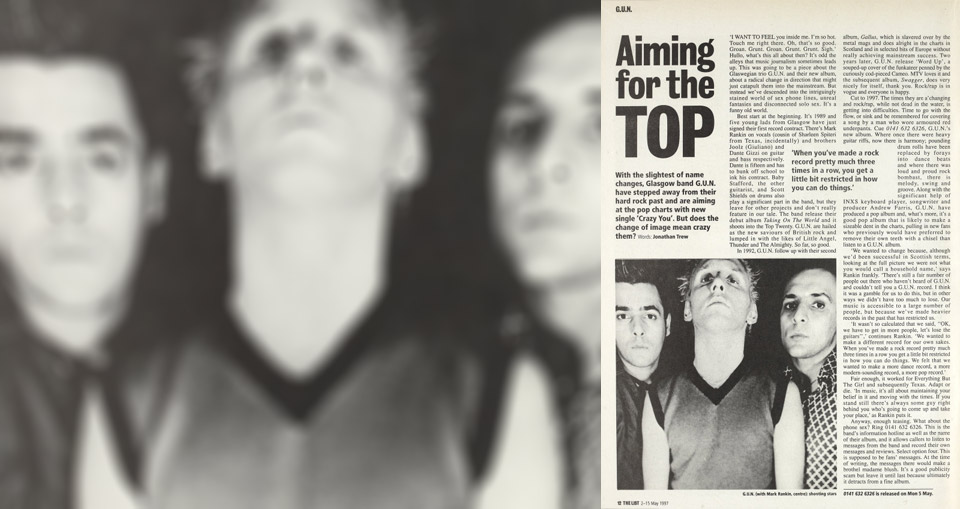
Speaking before the album’s release, frontman Mark Rankin framed the move as a band feeling restricted. In his view, the heaviness that had served them well on their three previous records was also limiting how far they could go. Dante Gizzi, meanwhile, tied the decision to the wider musical climate, arguing that grunge had made life harder for bands rooted in more traditional hard rock.
It’s clear from the outset that this was no self-sabotage attempt, but Gun attempting to survive a changing musical landscape.
“We’ve been successful as a Scottish rock band, but we’re not a household name yet — lots of people have never heard a G.U.N. song, and couldn’t name a G.U.N. album. We’re trying to grow our audience, but when you’ve made a rock record pretty much three times in a row, you get a little bit restricted in how you can do things.”
– Mark Rankin
“The grunge era had shifted the culture. We saw it happen first in America, during the Gallus tour, and then those trends slowly trickled to the UK. If you look at Keep The Faith, for example; obviously Bon Jovi are gargantuan, but that album’s performance in 1992 and 1993 shows how tough it was in general. No band got through that time without adapting their sound — not even them — so, in our minds, we had to evolve.”
– Dante Gizzi
The Album They Wanted To Make
The twist is that the band didn’t initially want to make a pure pop record.
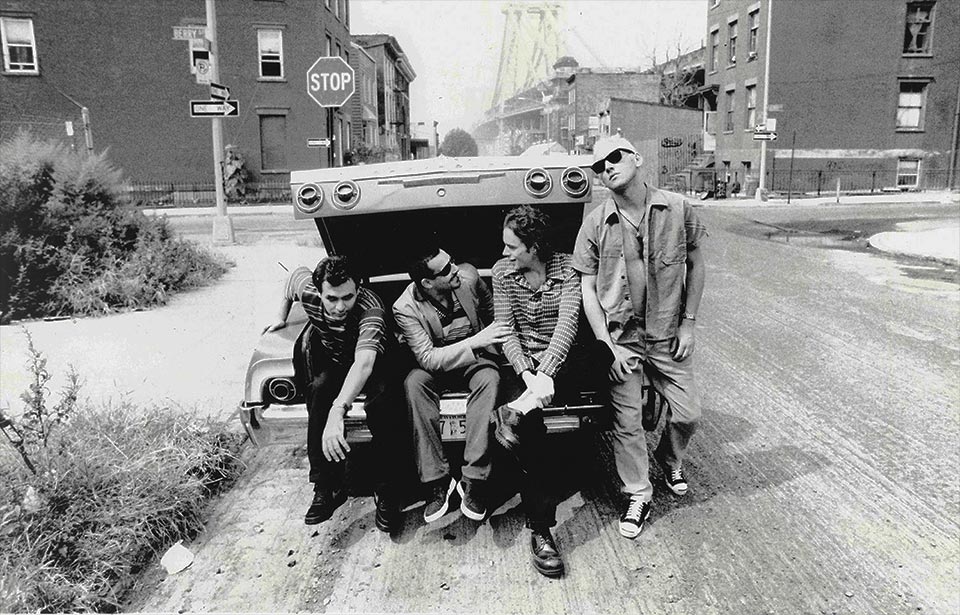
Lead guitarist Giuliano Gizzi says the real reference point was Word Up, because it hinted at a more danceable version of Gun’s heavy rock. As he put it, they wanted something “like a rock song which you can dance to” — still big and still weighty, but with a beat strong enough to pull in a wider audience.
On paper, that made perfect sense. The band had flirted with the formula before, and when Word Up became such a monstrous hit, it showed that they could grow their sound without abandoning all the things that made them Gun in the first place.
If they could find a way to build a whole album around that kind of energy, the next step might not just have been commercially smart — it might have been genuinely exciting.
“If you listen to Word Up, that’s the sound we wanted to pursue on the next album. It’s clearly still heavy rock, which we love, but it has pop elements to it. It’s like a rock song which you can dance to, because it’s got this great beat, and we wanted to see if we could create a whole album in that style.”
– Giuliano Gizzi
“Our goal was to make a record that had the groove of Listen Like Thieves or Kick by INXS, so it seemed like a great idea when the label brought Andrew Farriss on board.”
– Dante Gizzi
Andrew Farris and the Great Divide
Hiring Andrew Farriss to produce seemed like a logical idea.
If Gun wanted to make bigger, more polished, rhythm-led rock, then bringing in a man whose instincts had helped shape INXS did not look like a reckless move. If anything, it hinted at a potential version of Gun that could sharpen the hooks, broaden the appeal, and still keep enough weight to satisfy their existing fanbase.
However, this is the point where the record began slipping away from them.
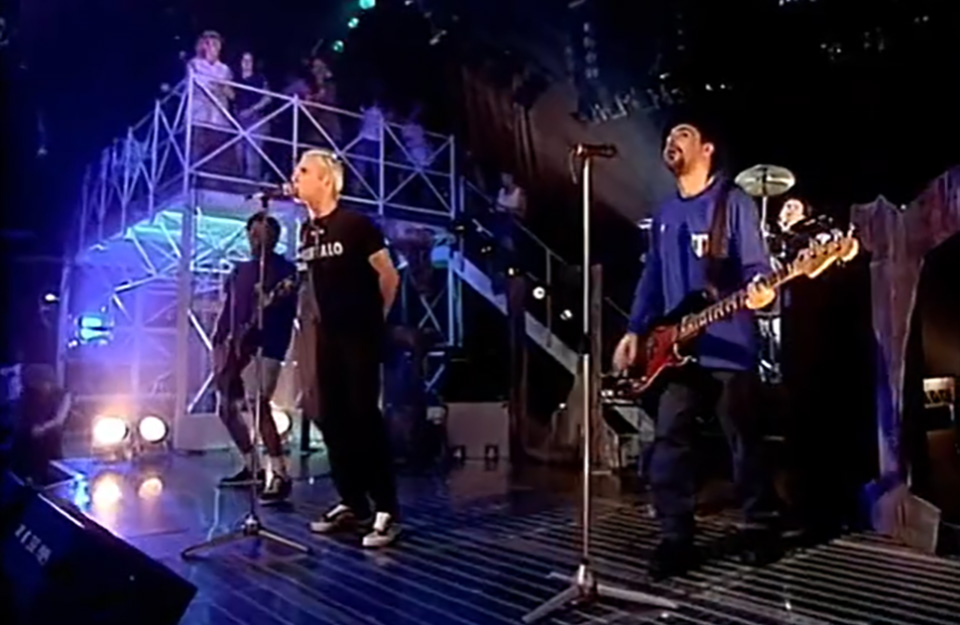
According to both Dante and Jools, the superstar producer had zero interest in helping them make the album they thought they were hiring him for. Instead, their ideas for “rock songs you can dance to” were quickly replaced by Farriss’ vision of “a total shift in sound.”
Worse still, frontman Mark Rankin appeared to buy into Farriss’ grand plans despite growing concerns from his bandmates — and this is where the divide began to appear.
“Maybe if Andrew Farriss hadn’t been so difficult to work with… (laughs). We wanted to learn from his experience, but he was hell-bent on pushing himself into “new musical territory.” This led to some difficult times. Jools and I would take new songs to him and he’d pull them apart, changing absolutely everything until it no longer even sounded like us. Don’t meet your heroes, I guess.”
– Dante Gizzi

The Day Gun Stopped Sounding Like Gun
Two thirds of Gun now believed they were fighting to save the band’s identity.
Watching Andrew Farriss shred their material on a daily basis seemed to have taken a massive mental toll on the Gizzi brothers, and after two weeks of intense recording and re-recording, the situation finally reached its breaking point.
Jools can still recall the day when Gun stopped sounding like Gun. Standing outside the studio, he told his bandmates that he wasn’t enjoying the process and wanted to start over. Dante backs that up, describing a difficult period shaped not just by Farriss, but through immense pressure from management to write an album as big as Swagger without any form of creative control.
This standoff marked the day where 0141 632 6326 grew into a full-blown band crisis.
“I can remember that day vividly. We were having a break and I just started pouring my heart out to the lads. I told them I wasn’t enjoying this process, it didn’t feel like Gun, and I wanted us to go back to Scotland and make a proper rock album. Andrew and Mark were so sure of themselves, and they had the full backing of the label, so I swallowed my pride and persevered. It’s a decision I still regret today.”
– Giuliano Gizzi
“After that moment it became very hard to work with Andrew and, dare I say, even Mark. When you have the extra pressure from management and the label wanting us to produce another hit record… it was intense.”
– Dante Gizzi

Why Didn’t They Walk Away?
The obvious question is why they kept going once it became clear the process was going wrong.
Even inside the band, there appears to have been no shared answer.
Dante has stated that the record label made it clear to the band that too much money had been spent — the majority of the budget going on Farriss’ expensive studio setup — leaving insufficient funds for them to start over. Giuliano, on the other hand, maintains that he only proceeded to avoid hurting his friendship with Rankin.
One thing is clear; the 0141 project had done a considerable amount of damage to Gun’s inner-band relationships long before any of the band members had heard a single note of the finished product.
“We spent so much money to work with Andrew at this expensive residential studio in London called The Manor. After a certain point it felt like we were backed into a corner — either we finish this, or we have no money left to make a new record. I still think Jools was right when he wanted to pull the plug.”
– Dante Gizzi
“There were concerns that we’d spent too much money to back out, but I believe it’s never too late to do the right thing. If we’d gone back to Glasgow and made a proper Gun album, we would’ve been okay.”
– Giuliano Gizzi
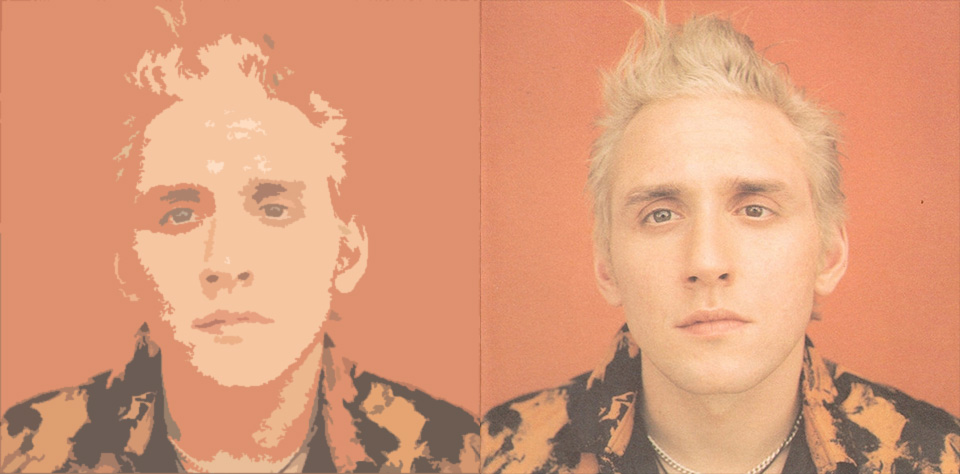
The Rebrand That Made It Worse
If the music risked confusing fans, the presentation of the album all but guaranteed it.
The band briefly changed their name from Gun to G.U.N. — partly to create a dividing line between the old sound and the new one, and partly because the Dunblane tragedy had made the bluntness of the original name feel newly uncomfortable.
On its own, that may have been understandable.
However, the record’s bizarre title only worsened the situation.
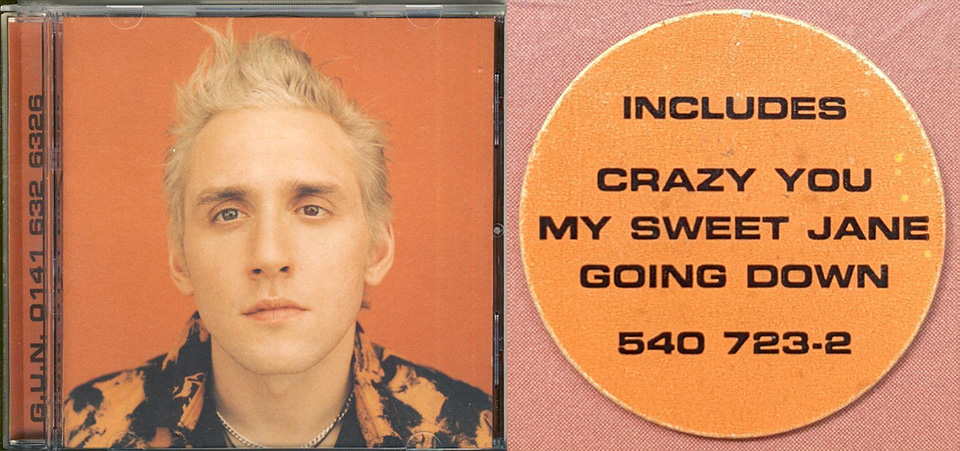
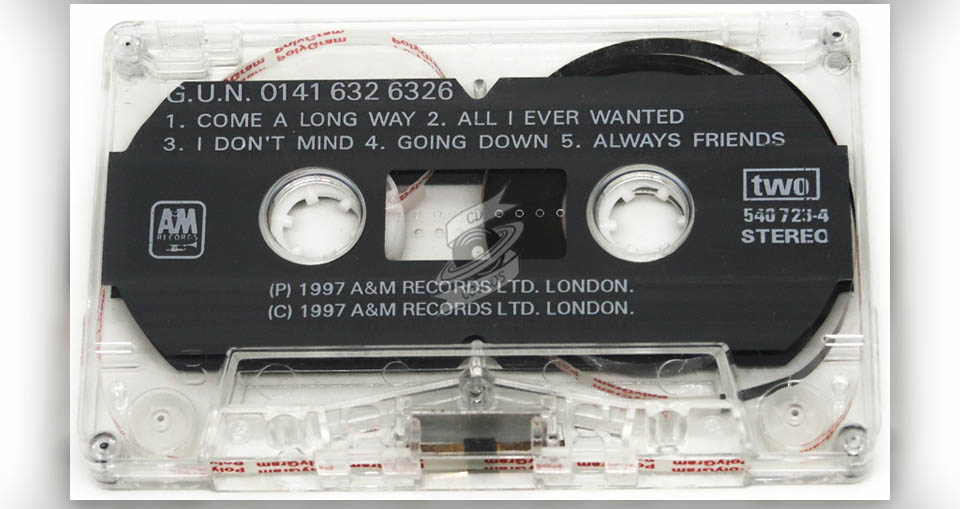
Taking its name from the phone number of the band’s official fanclub — a marketing idea meant to create intrigue and reinforce the new campaign — 0141 632 6326 looked both cryptic and unmemorable. Instead of feeling like a clever inside reference for fans, it became yet another layer of distance between the blue-collar rock band they used to know and the convoluted pop mess they had somehow morphed into.
Fans Voted With Their Feet
When 0141 632 6326 finally arrived on shelves, it faced a brutal reality.
Lead single Crazy You represented the absolute best of what the album had to offer and still only reached No. 21 in the UK. That is not a catastrophic chart position in isolation, but it was nowhere near enough to justify the gamble Gun had taken.
Follow-up My Sweet Jane then limped to No. 51, which effectively ended the argument — fans were no longer buying what Gun (sorry, G.U.N.!) were selling.
If they thought the fan backlash was tough, the rock press was harsher still. The critics at Melodic Rock wrote “0141 632 6326 is the sound of talented musicians being pulled in multiple directions — none of which suit them,” and popular UK magazine Kerrang! went even further, scathing “It’s sad to hear this once-great rock band on their knees, alienating fans while chasing acceptance from a pop demographic who couldn’t care less.”
Over time, Dante has made an exception for Crazy You, while Jools says Always Friends (which featured Dante on lead vocals) has grown on him over the years. However, both are blunt about the wider picture — they hated the record, the fans hated the record, and the tension it created led to the group disbanding a few months after the record’s release.
“I do quite like the final song, Always Friends. It was definitely heavier when we first wrote it, but I can still hear the same chord structure. They stripped it down to the bare bones in the studio, and I absolutely hated it when I first heard the record, but it has grown on me in time. It’s a decent song.”
– Giuliano Gizzi
“I feel like there were exceptions to the hate — I quite like Crazy You. But apart from that, the album just wasn’t up to the standard that Jools and I expected for a Gun record. We wanted this big, bombastic rock album, and we genuinely felt that Andrew was the guy to help us make it because he was such a big part of the INXS writing team. We were wrong.”
– Dante Gizzi

The Writing Was On The Wall
The biggest takeaway from the Gizzi brothers is one of frustration.
Dante believes the album caused irreparable damage to the brothers’ relationship with childhood friend Mark Rankin, and Jools goes even further — he hated everything about 0141 632 6326 from start to finish. He couldn’t understand why the band had been encouraged to abandon a style that had already worked so well for them on their three previous records.
That’s the great irony here. Plenty of rock bands throughout the mid-’90s were forced to adapt because the landscape changed around them. Gun arguably didn’t need to change anything at all. Their grounded, hard-rock identity had never really belonged to the trend cycle in the first place, and that may be exactly why it worked.
So perhaps the real mistake wasn’t changing badly, but changing at all.
“I had a gut feeling that the record was going to be the end of the original line-up of Gun. It just killed it. I hated making it, and I didn’t want to be involved in that whole campaign. It felt like we had changed our style completely from black to white, and I don’t know why we did it, because we were coming off the back of a really heavy record which was very successful.”
– Giuliano Gizzi
“Honestly, Jools and I hated the record from day one, and it didn’t surprise us when the fans also hated it. The worst thing is we fell out with Mark, because he was… not necessarily siding with Andrew, but maybe sitting on the fence a wee bit when Andrew was breaking the songs to pieces. We felt betrayed by that.”
– Dante Gizzi
The Demos We Never Heard
Jools insists the original demo versions of the album sounded much closer to Swagger — still rocking, still recognisably Gun, and a world away from the glossy pop direction of the finished release.
Those demos, he says, are still sitting on a hard drive somewhere at the label.
Which means the most tantalising version of this story is the one no one outside the band has ever heard: the alternate 0141 632 6326 that might have bridged Swagger’s heaviness with the rhythmic ambition of Word Up without losing itself in the process.
We’ll probably never know whether that would have resulted in a better album, but the fact that they still talk about these “lost versions” tells you how unresolved the experience remains.
“Yeah, the original demo versions for 0141 632 6326 had us sounding as we did on the Swagger album. They were rocking. Changing our sound was a big mistake as far as I was concerned. It was no surprise to me that fans hated the finished product.”
– Giuliano Gizzi

Reloading
In the end, 0141 632 6326 did more than fail commercially: it broke the original version of Gun.
The trust had gone. The disagreements were no longer trivial. This album had exposed a deeper divide over who they were, what they stood for, and how much compromise they were willing to make in exchange for potential success.
It also explains why their eventual reunion matters so much, because Dante explicitly links the comeback to the “unfinished business” of not wanting 0141 to be the lasting memory of Gun.
Fueled by this fire, they re-emerged in 2012 with a new-look lineup — Dante now on vocals after Mark Rankin declined to partake — and have since released a string of well-received rock records which succeed in taking Gun back to the groove-infused hard rock of their past.
“I’ll always remember 0141 as a terrible experience, but I’m grateful for it because we’re here right now. It was a big reason behind our comeback — Jools and I couldn’t live with the idea that that might be the last thing Gun ever made.
Coming back wasn’t easy — especially with a change of singer — but we made double-sure to keep full control of our music this time around. We were over the moon when the fans enjoyed Break The Silence (2012), because it sort of confirmed to us that we still have plenty to offer, and that we can maybe put 0141 behind us.
Not many bands get a second chance, and this time around I feel more confident, more aware, and more comfortable within the business side of things. We are very proud of the records we’ve put out since 2012.”
– Dante Gizzi

The Final Word On 0141 632 6326
Plenty of albums go wrong because the songs are weak. 0141 632 6326 is more interesting than that.
It went wrong because Gun and the people shaping the record were no longer trying to make the same album. That disconnect is still audible now, which is why the record sounds every bit as disjointed today as it did in 1997.
And yet, it did leave something behind. By pushing the band so far from themselves, 0141 632 6326 showed them exactly what they were not willing to become.
In hindsight, that may be the only reason it matters at all.
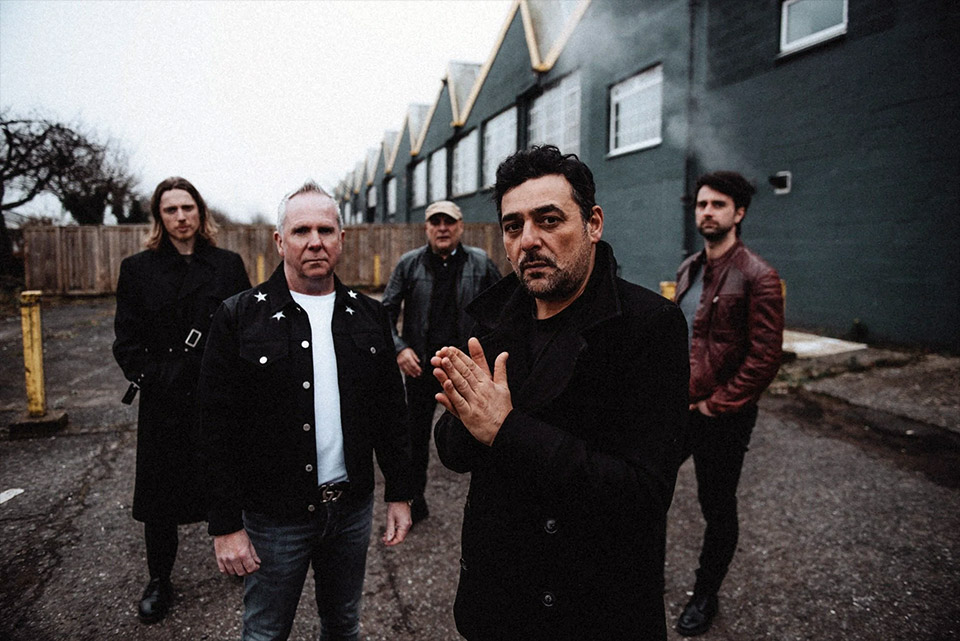
>> The Story of 0141 632 6326 is part of our Gun series.