These Go To Eleven Says:
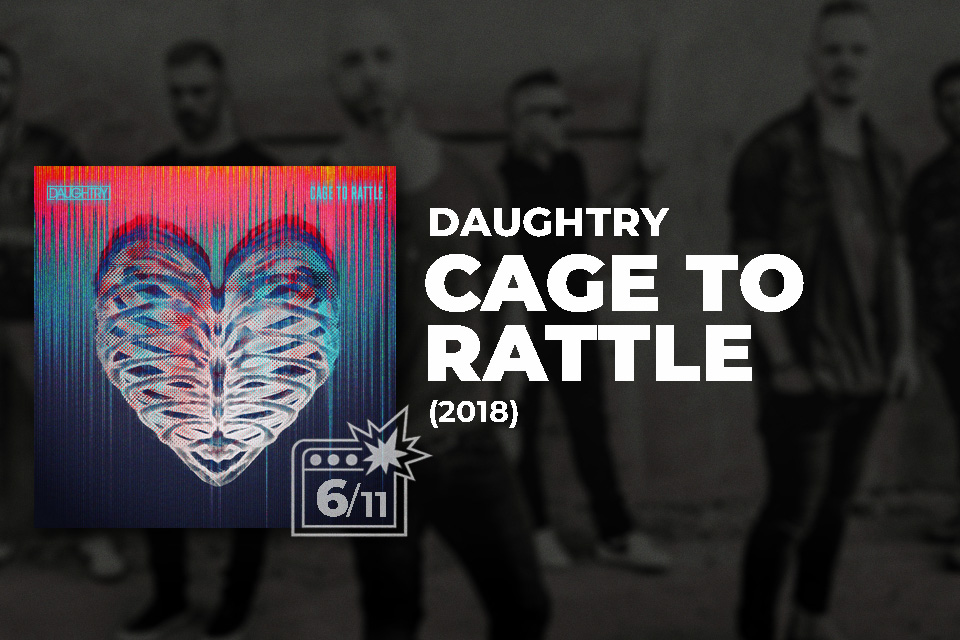
Daughtry’s fourth record is a sleek, modern comeback that lacks the grit that made them such a force to be reckoned with.
★ ★ ★ ★ ★ ★
STANDOUTS Stuff of Legends · Bad Habits · White Flag
6/11
Flawed
Album details & credits
- Title
- Cage To Rattle
- Artist
- Daughtry
- Released
- July 27, 2018
- Label
- RCA Records
- Produced by
- Jacquire King
- Key personnel
- Chris Daughtry (vocals, guitar) · Josh Steely (guitar) · Brian Craddock (guitar) · Josh Paul (bass) · Elvio Fernandes (keyboards) · Brandon Maclin (drums)
- Singles
- Deep End · As You Are
- Chart performance
- No. 10 on US Billboard 200 · No. 14 on UK Album Chart · No. 8 on Scottish Album Chart
- Total sales
- 530,000
- Certification
- Gold
- Score
- ★ ★ ★ ★ ★ ★
Daughtry – Cage To Rattle (2018) Review
Daughtry ‘s fourth album Cage To Rattle marks the end of a five year hiatus.
And with opinion divided regarding the sudden pop pivot of its predecessor, the pressure is well and truly on the former American Idol star to prove he can weather the storm and deliver a solid return to form.
At just 38 minutes ranks as the shortest album they have released to date, and their pitch for the record was very clear: a return to the chorus-first rock and crunching guitar hooks that helped their 2006 debut become one of the fastest-selling albums of all time.
The problem is that Cage To Rattle doesn’t quite deliver on those promises…
“We knew early on that we wanted to bring hack heavy guitar riffs.”
– Chris Daughtry
The Jacquire King Shift
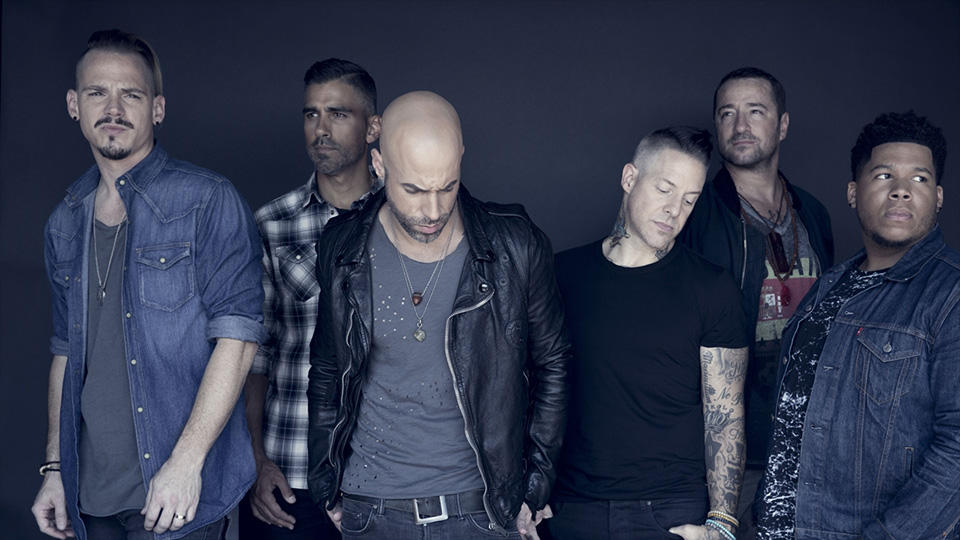
Producer Jacquire King was hired to helm the album.
With a proven track record for contemporary rock, his impact is immediate.
King’s modernistic aesthetics manage to gel beautifully with Elvio Fernandes’ keyboards to create genuine sonic expansion for Daughtry, with his synth colours adding an impressive atmospheric framework to each track that wasn’t a feature on any of their previous releases.
However, the glossy production also strips away many of their best characteristics and pulls them further away from the anthemic hard rock that their fanbase crave. The frontman’s trademark rock gestures are used as light seasoning rather than as the main course, and even though the over-promised guitars do make an appearance, they are anything but heavy.
Frustratingly, the end result is a record that sounds more akin to mellow, “easy listening” adult alt, as opposed to the crunching rock songs that made Daughtry a force to be reckoned with in the mid-to-late 2000s.
Just Found Heaven
At its best, this record hints that Daughtry could make this pop-rock hybrid stick.
Lead single Stuff Of Legends is the clearest example of this: the beat lands, the riff has bite, and the chorus gives Chris Daughtry the kind of runway his voice truly deserves.
Elsewhere, the sidewinding Back In Time brings a retro groove that suits the band’s blue-collar warmth, and second single Bad Habits delivers one of the record’s biggest hooks while fully utilizing the pop palette they were striving for on 2013’s Batptized.
But despite these positive experiments, it is in the moments where Daughtry lean into the old strengths that Cage to Rattle really catches fire. The slow-burning Gravity and White Flag manage to create a genuine sense of lift, and contain the closest thing to genuine heft on the entire tracklist. Frustratingly, these tracks also illustrate fans’ frustration with the band’s quest to make the jump to pop, by serving as audible reminders of just how effective Daughtry are as a rock unit.
"One hand reaching for the sky, one hand holding on for life."
White Flag
Bad Habits
The problem with Cage To Rattle isn’t that Daughtry went modern — it’s that the polish has scrubbed out their personality.
This is especially problematic on the album’s slower numbers, such as the lacklustre Just Found Heaven and As You Are.
It’s in stark contrast to their earlier records, where frontman Chris Daughtry could seemingly carry a softer track with nothing but a melody and a bruised vocal. Here, though, the sheen often makes the tunes feel completely weightless — as if the arrangement is doing everything except giving the chorus something to bite into.
"This just might be the death of me."
Cage To Rattle
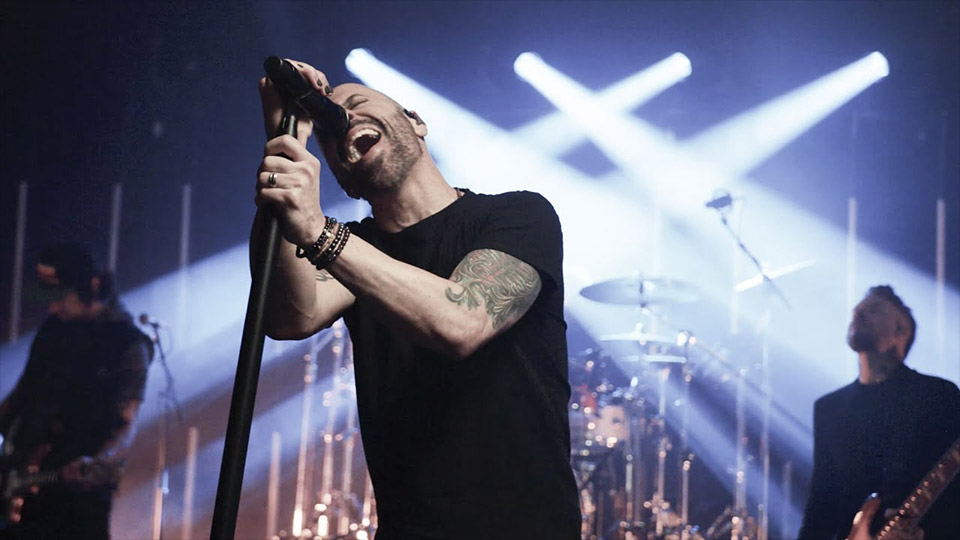
Singles, Reset, Reality
Despite failing to deliver on its promises of a return to hard rock, the record was still moderately successful.
It debuted at No.10 on the Billboard 200, and at No. 14 on the UK Albums Chart, with notable radio airplay handed to promotional leak Backbone and first single Deep End.
But while the numbers it achieved are respectable, it wasn’t the kind of return that signalled a full-scale relaunch of the band after five years away. More telling is what followed — this would prove to be Daughtry’s final record with RCA, making Cage To Rattle feel less like a new chapter and more like a band who were still searching for solid ground after collapse of Baptized.

End of the Road
In the years since its release, Chris Daughtry has been candid about what really went on behind the scenes.
He doubles down on the fact that Cage To Rattle was originally pitched to him as a return to rock — a quiet apology from RCA, who had pushed hard for Baptized’s divisive pop pivot — but once the recording sessions were in motion everything changed.
According to Daughtry, the sessions were marred by a revolving cast of A&R representatives being assigned to and then fired from the project, each with their own take on how it should sound. The cumulative effect was a slow dilution of the original concept — a record that started life as a clean rock reset and lost its way.
The negative experience took such a toll on Daughtry that he decided to part ways with long-time label RCA and self-publish future releases in order to ensure the band retained creative control.
“I was genuinely excited when our label said “We want you to come back and make a fuckin’ rock record!” But as time went by, their idea of what it should sound like totally changed. By the end it felt like the souls had been ripped from our songs. On the final day I informed the guys that I believe we need to get out of here.”
– Chris Daughtry
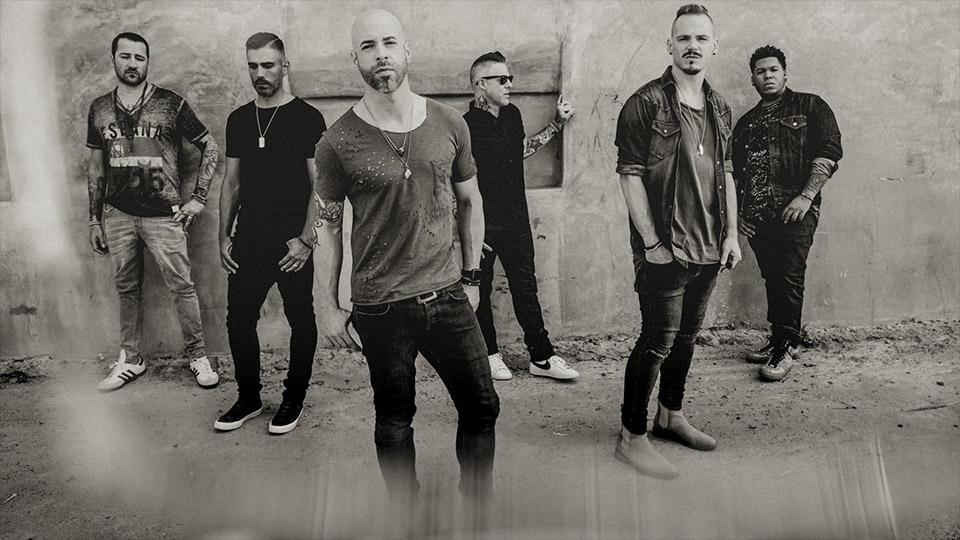
Daughtry – Cage To Rattle
The overriding feeling here isn’t one of disappointment so much as irritation.
For while there’s no doubt that Daughtry retain their innate ability to write catchy songs, all too often they are guilty of sanding away the grit that made them fun to listen to in the first place.
A tighter, punchier version of this glossy new sound does occasionally break through the mire (you hear it in Stuff Of Legends, Gravity, and White Flag), but the bulk of Cage To Rattle is perhaps indicative of a band still negotiating with just how pop they want to be — and how much of their core fanbase they’re willing to sacrifice in order to do it.
FINAL VERDICT:
Daughtry’s fourth record is a sleek, modern comeback that lacks the grit that made them such a force to be reckoned with.
★ ★ ★ ★ ★ ★
6/11
FLAWED
See Our Reworked Tracklist
These Go To Eleven
Reworked Tracklist
We have reworked the tracklist in order to lean into the album’s strongest flow, framing the moments where Daughtry’s modern polish still leaves room for great melodies, atmoshpere and proper lift.
- Go Down (3:26) ^
- Death of Me (3:35)
- Stuff of Legends (3:50) ★
- Backbone (3:01)
- Deep End (3:51)
- Bad Habits (3:30) ★
- Just Found Heaven (4:11)
- As You Are (3:45)
- Back In Time (4:12)
- Gravity (3:47)
- Torches (3:32) ^
- White Flag (4:52) ★
★ Standout track
^ Included on Greatest Hits: The Story So Far… (2016)
STANDOUTS Stuff of Legends · Bad Habits · White Flag
MORE READING Cage to Rattle (2018) is part of our Daughtry review series.
Further reading
Continue the Daughtry story.
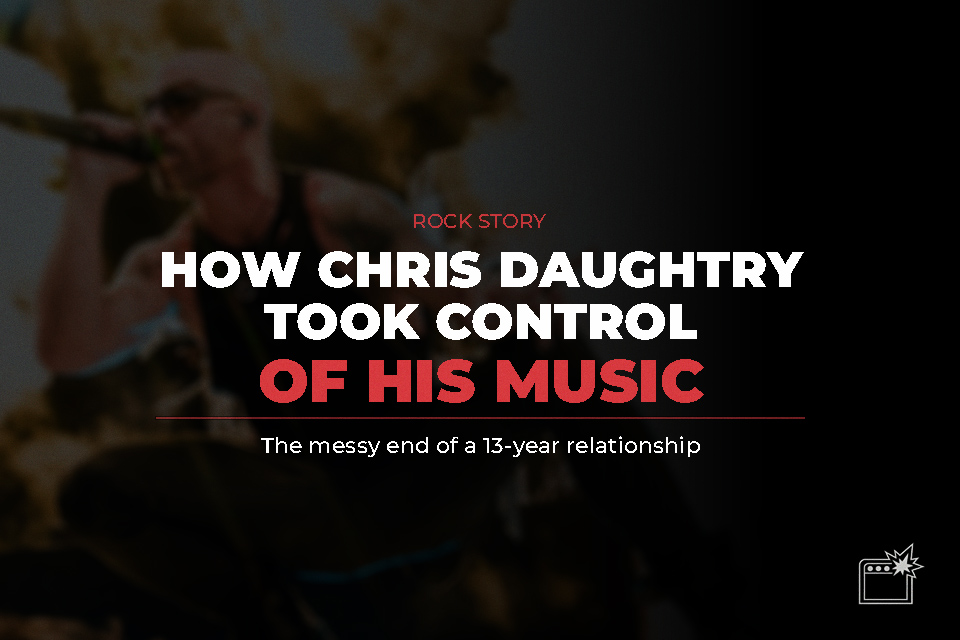
The inside story of why Chris Daughtry started Dogtree Records — from clashes with RCA over a pop pivot to the artistic freedom of Dearly Beloved.
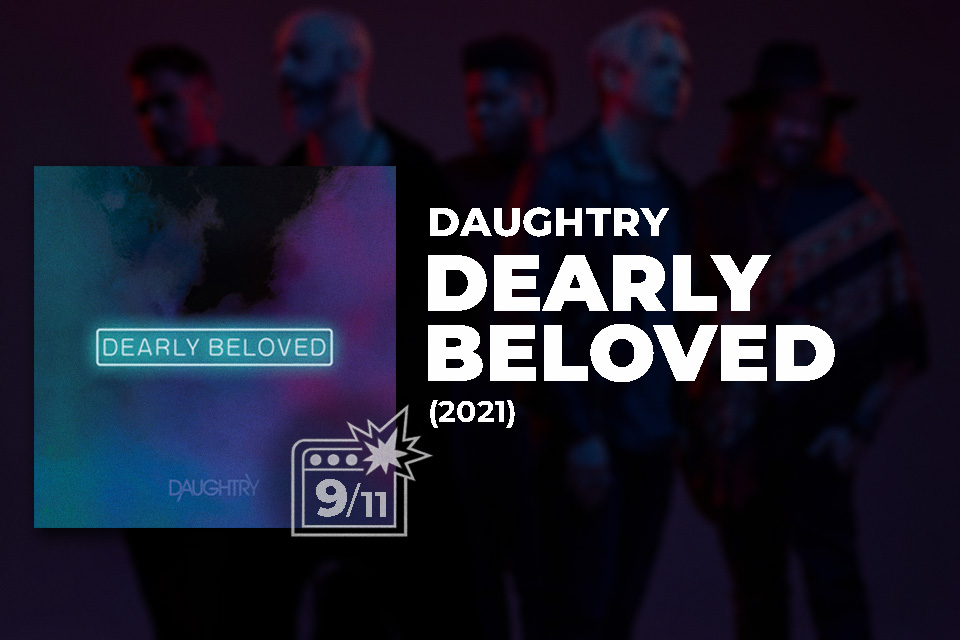
Dearly Beloved is Daughtry’s best record in years: heavier guitars, modern synth atmosphere, huge choruses and renewed creative confidence.

Daughtry’s Baptized (2013) swaps crunch for pop sheen. There are big choruses and two genuine gems, but the gloss dilutes the impact.
Explore the full Daughtry album guide
From their storming debut, to an ill-advised pop detour, and a bitter split from RCA that resulted in a blistering rock reset, follow the full album-by-album story.