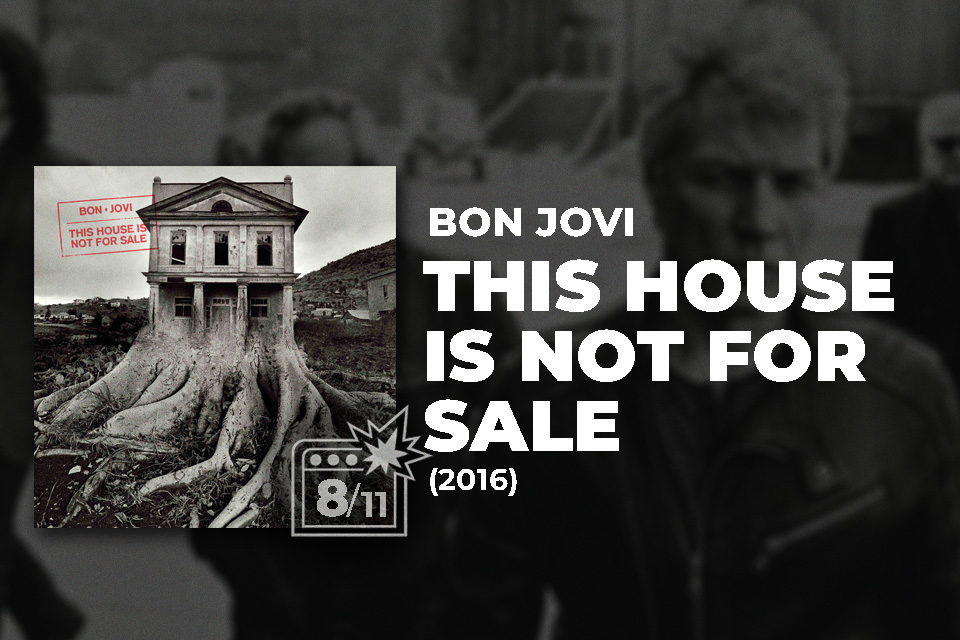
In summary:
Against all expectations, This House Is Not For Sale finds Bon Jovi reinvigorated, trading heaviness for conviction and delivering one of their strongest and most purposeful records in years.
This House Is Not For Sale receives 8/11.
★ ★ ★ ★ ★ ★ ★ ★
Album details
Album Details
Release date: November 4th, 2016
Label: Island Records
Producer: John Shanks and Jon Bon Jovi
Musicians:
- Jon Bon Jovi (vocals, guitar)
- Phil X (guitar)
- John Shanks (guitar)
- Hugh McDonald (bass)
- David Bryan (keyboards)
- Tico Torres (drums)
Singles:
- This House Is Not For Sale
- Knockout
- Labor Of Love
- Born Again Tomorrow
- When We Were Us
- Walls
Chart performance:
- #1 US Billboard 200
- #5 UK Album Chart
- #1 Billboard Rock Chart
Total sales: 400,000
Certification: Silver
Score: ★ ★ ★ ★ ★ ★ ★ ★
Bon Jovi – This House Is Not For Sale (2016) Review
Will Bon Jovi be able to survive without talismanic guitarist Richie Sambora?
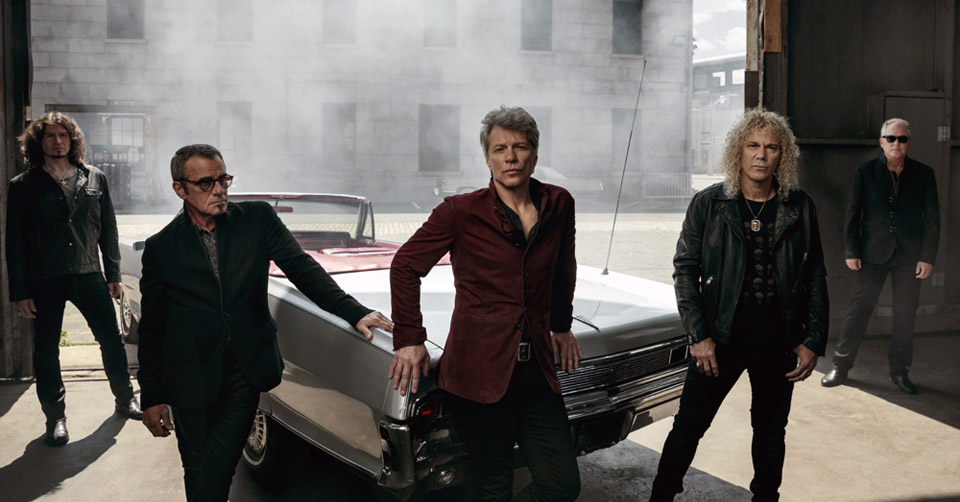
This House Is Not For Sale, the band’s fourteenth studio album and the first since Sambora’s messy departure during the What About Now era, attempts to answer that question head-on.
The result is a very different kind of Bon Jovi record – one that leans less on the guitar-driven formula of the past and instead searches for a new identity, revealing a level of grit and determination the band haven’t shown in years.
Living With The Ghost
When Sambora exited the band three years earlier, the very future of Bon Jovi seemed uncertain.
The frontman has since admitted that he struggled to imagine continuing without his longtime writing partner, reportedly spending the next two years weighing up whether to carry on or walk away altogether.
When he eventually chose to press forward, further complications arrived.
Mercury Records renegotiated the band’s contract in Sambora’s absence, resulting in a reduced deal and a protracted legal dispute that delayed work on new material for over a year. By the time recording finally began, This House Is Not For Sale had evolved from simply the next Bon Jovi album into something far more personal – a cathartic attempt to prove the band could still stand on their own.
No Future Living In The Past
There are several gems scattered throughout what remains a largely underrated record, but none shine brighter than the uptempo Living With The Ghost.
The track channels Jon Bon Jovi’s anger and frustration in the wake of Sambora’s departure, capturing both his refusal to let the band unravel and the pressure of attempting to steer the Bon Jovi juggernaut alone.
It’s a devastatingly effective piece of work – one that arguably only lacks the kind of face-melting guitar solo Sambora once made his trademark.
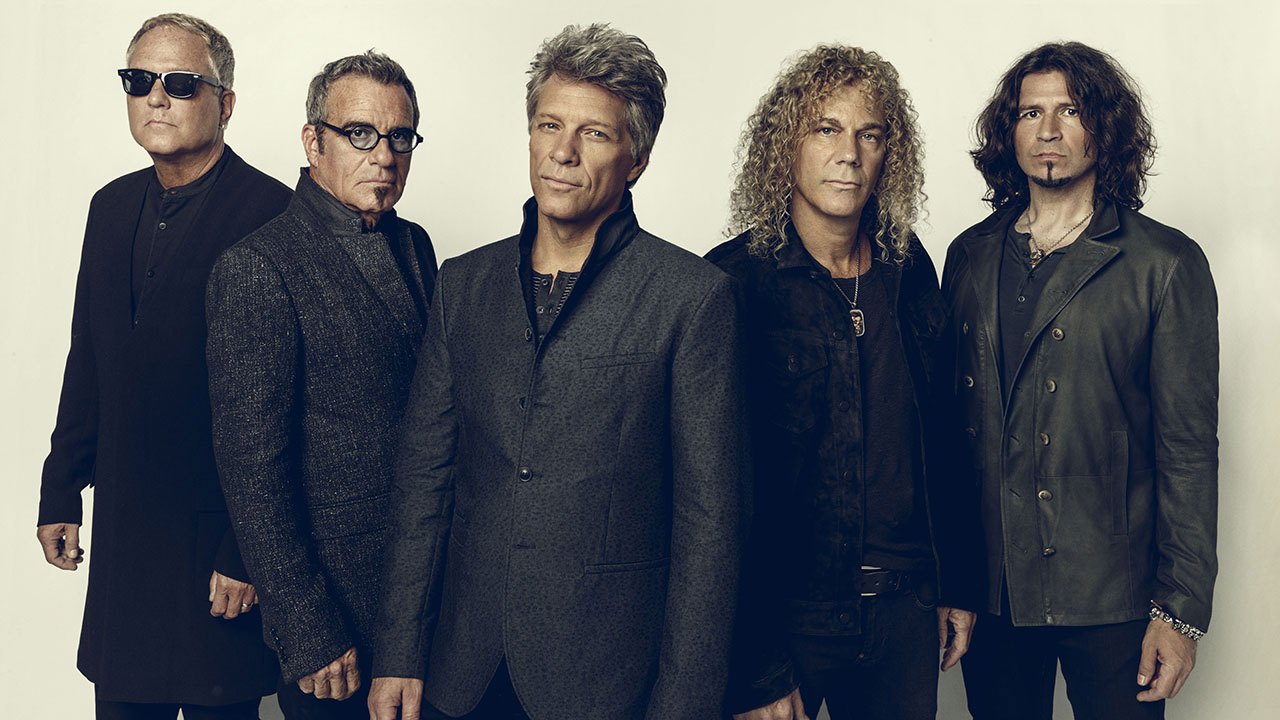
"I wrote each word,
You gave the toast,
But we were fire and gasoline,
Now I ain't living with the ghost."

LIVING WITH THE GHOST
Look What They’ve Done To This House Of Love
Mercury Records come under direct scrutiny on the inflammatory rocker Devil In The Temple, with Jon Bon Jovi lambasting the label’s decision to lowball the band after more than three decades of loyalty.
That same defiant stance carries over into the title track, which doubles down on the message that Bon Jovi have no intention of being dictated to by record company executives.
Musically, This House Is Not For Sale leans on the band’s tried-and-tested anthemic formula, delivering the kind of determined, fists-in-the-air chorus that has powered many of their biggest moments, and in this context, the familiarity works in the song’s favour.
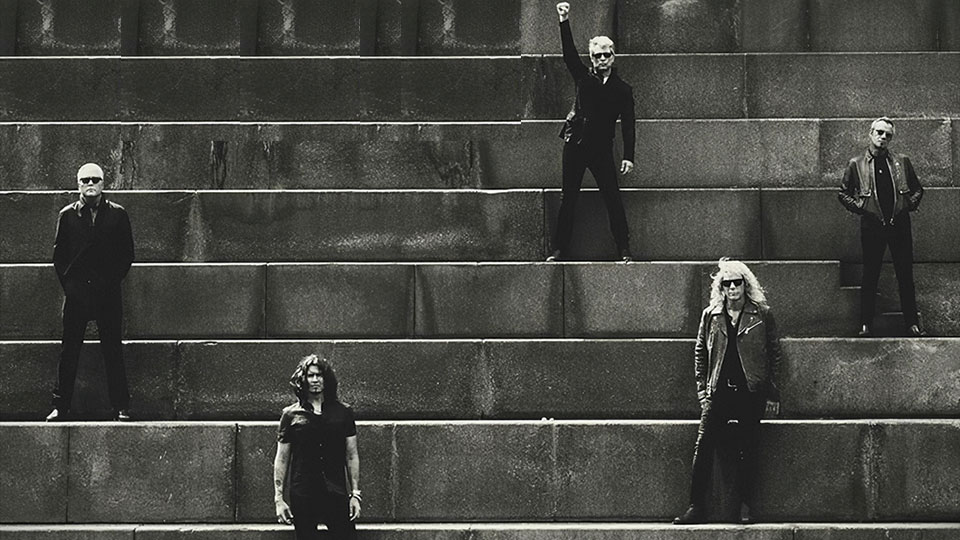
“I wrote Devil In the Temple and This House Is Not For Sale as a direct response to three years of bullshit. They told me I wouldn’t be able to continue, and they offered us far less money, but you know what? You can’t force me to throw in the towel. You can’t buy what we have. This house is not for sale, motherfucker!”
– Jon Bon Jovi
A Bounty Of New Material
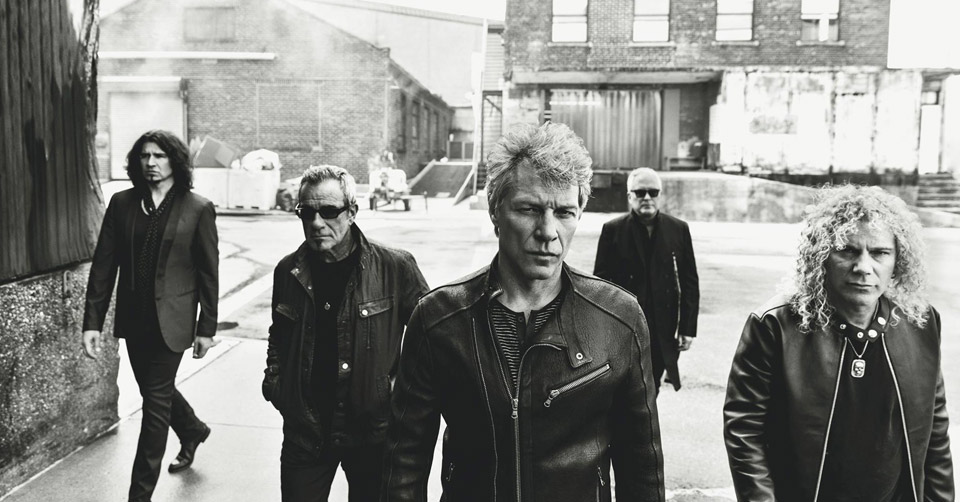
One of the unexpected benefits of the turbulent past three years is that it appears to have given the band a renewed sense of purpose.
Where predecessor What About Now often felt creatively adrift, This House Is Not For Sale finds Bon Jovi sounding re-energised and re-focused.
Any lingering doubts about Jon Bon Jovi’s ability to write without Richie Sambora are quickly dispelled, with the sessions producing an impressive volume of new material. The songs may lack some of the heaviness of the band’s past, but they compensate with strong melodies and a more considered lyrical tone, and tracks such as Walls, New Year’s Day, and Roller Coaster have the kind of staying power that lingers long after the record has finished.
From a sales perspective, this album sold fewer copies than any of the band’s last ten studio albums, but still yielded a whopping six singles (!) and managed to top the US Billboard 200 on two separate occasions.
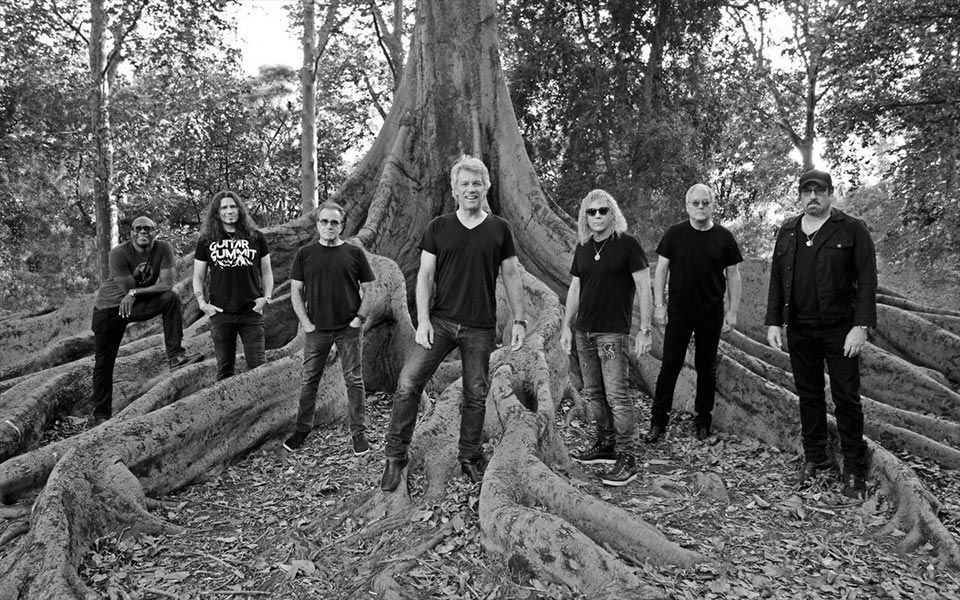
"I set each stone,
And I hammered each nail,
This house is not for sale."

THIS HOUSE IS NOT FOR SALE
Their Guitars Lie Bleeding In Their Arms
The overly glossy finish that weighed down What About Now returns here, with divisive producer – and now rhythm guitarist – John Shanks once again occupying the driving seat.
As a result, the band continue down a similar sonic path, seemingly doubling down on the idea that crunching guitar riffs are no longer central to Bon Jovi’s sound.
That approach isn’t without its merits – Shanks’ polished mix works well on several of the album’s slower moments, particularly the delicate chorus of Scars On This Guitar and the genuinely strong Real Love, their most effective ballad since 1994’s Always.
But the heavier material suffers as a consequence. Tracks like Knockout and Born Again Tomorrow feel restrained, as though a layer of studio gloss has dulled the impact of what should have been driving rock songs, while Tico Torres’ usually thunderous drums are softened to the point of losing their bite.
Without that sense of weight, the band’s more sentimental tendencies begin to overwhelm the record, turning the typically tolerable Bon Jovi sweetness into something harder to endure on tracks such as Labor Of Love, Reunion, and Come On Up To Our House.
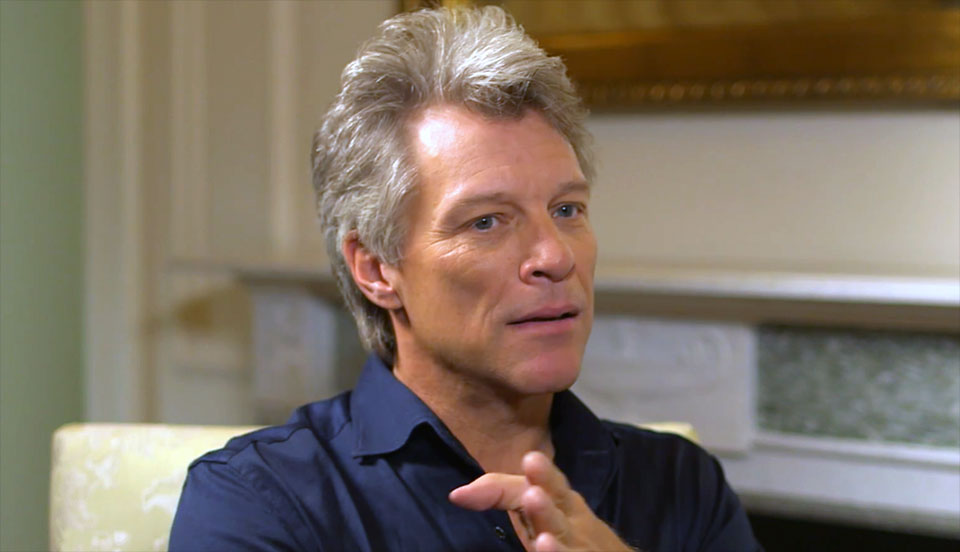
“Richie’s departure was tough to take, and I’m aware I’ve made mistakes. I know that for the last ten years John Shanks and I have basically controlled the recording studio, so my bandmates didn’t feel as involved. That’s something which I’ve tried to correct now by having David and Tico helping me shape the new songs. Honestly, I wish I’d done it sooner, and I apologise, because it has reminded me of how great things used to be.”
– Jon Bon Jovi
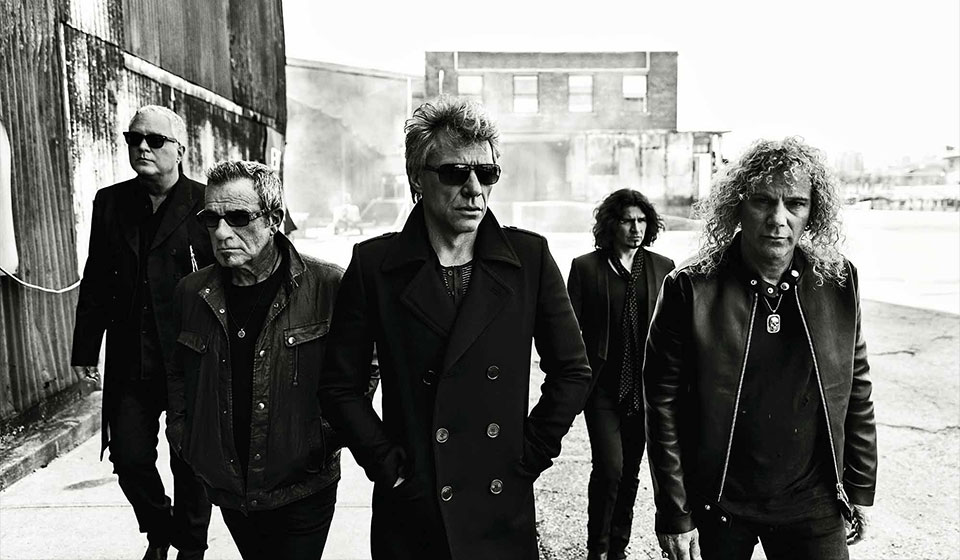
Bon Jovi: This House Is Not For Sale
There are only three guarantees in life: death, taxes, and Bon Jovi’s refusal to disappear quietly.
Over the past three decades the band have survived shifting trends, changing audiences, and the gradual fading of many of their contemporaries, but the loss of Richie Sambora presented a challenge far closer to home than anything they had faced before.
And yet, against expectation, they endure.
This House Is Not For Sale finds Bon Jovi rediscovering both purpose and direction, driven forward by a frontman determined to prove the band still has something worth saying. The polished production and modernised sound may invite accusations that they’re no longer rock ’n’ roll in the traditional sense, but there’s an argument to be made that persistence in the face of adversity is the most rock ‘n’ roll statement of all.
These Go To Eleven Reworked Tracklist
These Go To Eleven Reworked Tracklist
This House Is Not For Sale is one of Bon Jovi’s strongest modern-era records, but its impact can hit even harder with a slightly tighter run.
Below is our reworked running order — designed to sharpen the pacing, keep the momentum high, and let the standout hooks land with maximum force.
Here’s how you should listen to Bon Jovi: This House Is Not For Sale (2016) for maximum effectiveness:
- Walls (3:37) ^
- This House Is Not For Sale (3:36) ★
- Living With The Ghost (4:44) ★
- Scars On This Guitar (5:06)
- Knockout (3:29)
- Born Again Tomorrow (3:33)
- Real Love (4:34) ^ ★
- Rollercoaster (3:40)
- When We Were Us (3:34) ^
- New Year’s Day (4:27)
- The Devil’s In The Temple (3:19)
- God Bless This Mess (3:23)
- We Don’t Run (3:17) ^
- Goodnight New York (3:53) ^
★ Standout track
^ Featured on This House Is Not For Sale: Deluxe Edition (2018)
In summary:
Against all expectations, This House Is Not For Sale finds Bon Jovi reinvigorated, trading heaviness for conviction and delivering one of their strongest and most purposeful records in years.
This House Is Not For Sale receives 8/11.
★ ★ ★ ★ ★ ★ ★ ★
>> This House Is Not For Sale is part of our Bon Jovi album review series.
Related Posts
 Reviews, Bon Jovi
 “What About Now?”, asks Jon Bon Jovi, as he painfully tweaks the band’s trademark sound in search of critical acclaim on their twelfth studio LP.
 Reviews, Bon Jovi
 Bon Jovi’s 2020 trades stadium hooks for social commentary and a stripped-back tone. Powerful themes, but the songs rarely match the story.
 Reviews, Bon Jovi
 Bon Jovi’s Forever (2024) leans into reflection and self-reference, delivering strong late-career hooks and a surprisingly satisfying potential farewell.

Leave a Reply