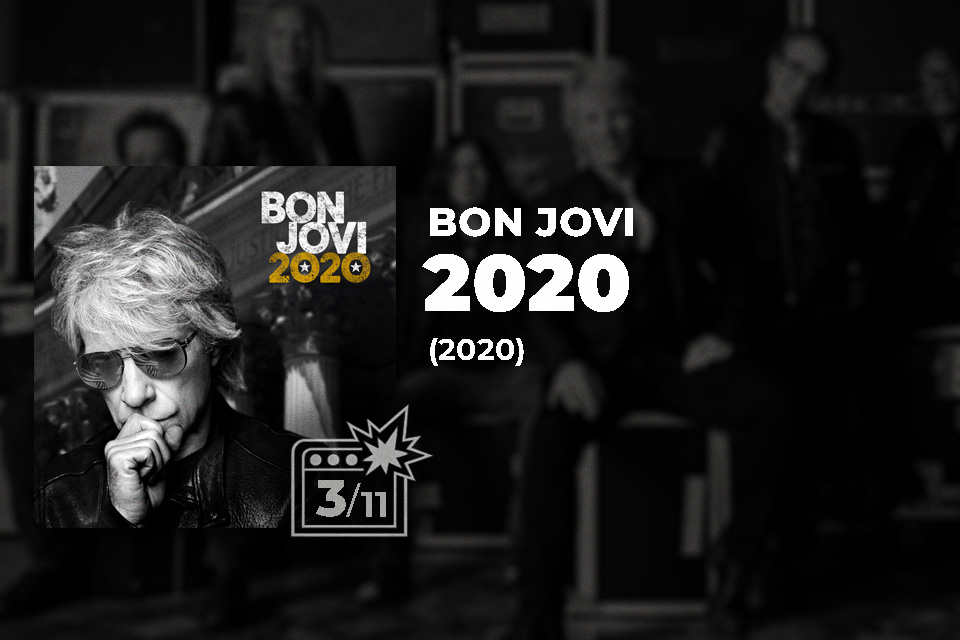
These Go To Eleven Says:
Bon Jovi’s desire to create an audible time capsule of a turbulent era is admirable in its intent, but a shortage of memorable songs stops it dead in its tracks.
★ ★ ★
STANDOUTS Do What You Can · Beautiful Drug · Limitless
3/11
Poor
Album details & credits
- Title
- 2020
- Artist
- Bon Jovi
- Released
- October 2, 2020
- Label
- Island Records
- Produced by
- John Shanks and Jon Bon Jovi
- Key personnel
- Jon Bon Jovi (vocals, guitar) · Phil X (guitar) · John Shanks (guitar) · Hugh McDonald (bass) · David Bryan (keyboards) · Tico Torres (drums) · Everett Bradley (additional percussion)
- Singles
- Unbroken · Limitless · American Reckoning · Do What You Can · Story Of Love
- Chart performance
- No. 19 on Billboard 200 Chart · No. 3 on Billboard Rock Chart · No. 5 on UK Album Chart
- Total sales
- 51,000
- Certification
- n/a
- Score
- ★ ★ ★
Bon Jovi – 2020 (2020) Review
Of all the album titles Jon Bon Jovi has come up with during his career, 2020 may have aged the fastest.
When he chose it, the joke was fairly simple. America was entering an election year, Jon believed he had regained some clarity after the turmoil surrounding This House Is Not For Sale, and “2020 vision” practically wrote the marketing campaign itself.
Then 2020 actually happened.
By the time they finally released their fifteenth studio album in October, the title no longer sounded clever at all — because suddenly an LP that was already concerned with gun violence, veterans, political division and the state of modern America found itself absorbing a pandemic and the killing of George Floyd that sparked the Black Lives Matter movement.
Few Bon Jovi records have ever had more to say.
Unfortunately, very few have given us less reason to play them again.
Clear Vision
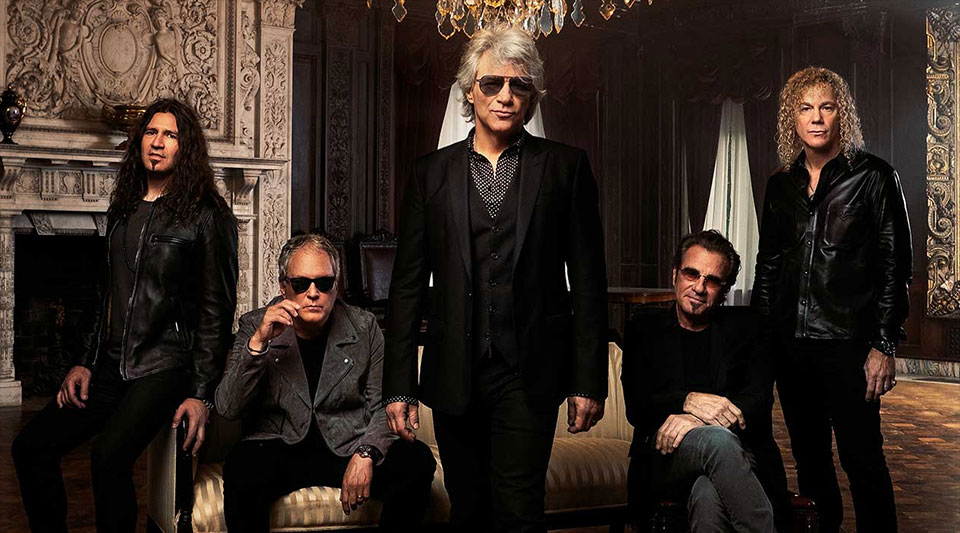
The interesting thing about 2020 is that it wasn’t originally a pandemic record at all.
Bon Jovi had completed an entirely different ten-song version months before COVID-19 shut down the world. Its original tracklist already included Lower The Flag, written in response to mass shootings in El Paso and Dayton; Unbroken, inspired by veterans suffering with PTSD; and the politically charged Blood In The Water.
The band announced a May release and a North American tour with Bryan Adams.
Then everything stopped.
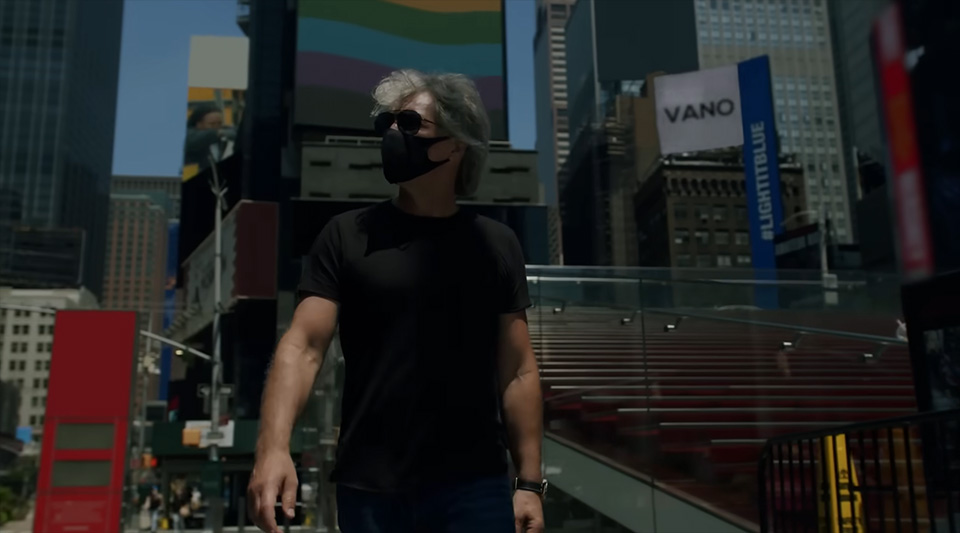
Rather than release an album nobody could promote, Bon Jovi postponed it and cancelled the tour. Jon spent lockdown watching the same relentless news coverage as everyone else, eventually writing Do What You Can about life during COVID and American Reckoning after the killing of George Floyd.
Two songs were then removed from the original album and replaced by the new tracks, turning 2020 into something far more literal than originally intended.
It’s a fascinating accident of timing, but it also creates the record’s biggest problem; by trying so hard to document the moment, Bon Jovi failed to write songs you’d actually want to return to once that moment had passed.
I Ain’t Living With Limits
Limitless opens the record sounding like the natural continuation of This House Is Not For Sale.
It’s brisk, polished and armed with an excellent pre-chorus which threatens to explode into something enormous.
Unfortunately, when the chorus finally arrives, John Shanks’ glossy production sands away every sharp edge, and leaves you once again pondering how this once great rock band can continue to be artistically satisfied working within such a restrained, highly processed studio environment.
Still, there’s a hook.
On 2020, that already puts Limitless ahead of much of the competition.
Beautiful Drug fares even better. There’s an actual riff here. Tico Torres gets to hit something. Phil X briefly sounds like the absurdly talented guitarist we know he is, and for three-and-a-half minutes Bon Jovi are once again entertaining.
And while neither song belongs anywhere near the band’s classic catalogue, they become increasingly valuable to this record as it progresses — because the deeper 2020 travels into its core message of hope, the less interested it seems to be in melody and hooks.
Call It Social Commentary, Or Just What My Eyes See
The exception is Do What You Can.
Jon wrote the song after his wife Dorothea photographed him washing dishes at one of their Soul Kitchen restaurants during lockdown and captioned it with the phrase that became the title. He initially invited fans to contribute verses before completing the finished track himself.
It shouldn’t work.
The lyrics reference social distancing, masks and supermarket shelves with all the subtlety of somebody reading a 2020 newspaper aloud.
And then Jon sings:
“Although I’ll keep my social distance…”
You know what’s coming.
Of course you do.
This is Bon Jovi.
Yet somehow Do What You Can gets away with it.
Partly because the country-rock arrangement recalls the more enjoyable parts of Lost Highway, but mostly because the optimism feels earned. Instead of Jon’s usual unspecified character being knocked down and getting up again, this time everybody listening really had been knocked down at exactly the same moment.
For once, the cliché belongs to us too.
It’s easily this record’s strongest song, and if any track is to be remembered as a time capsule of the fucktacular shitnado of ass that was the pandemic era, we’re more than happy for this stellar piece of work to be the one.
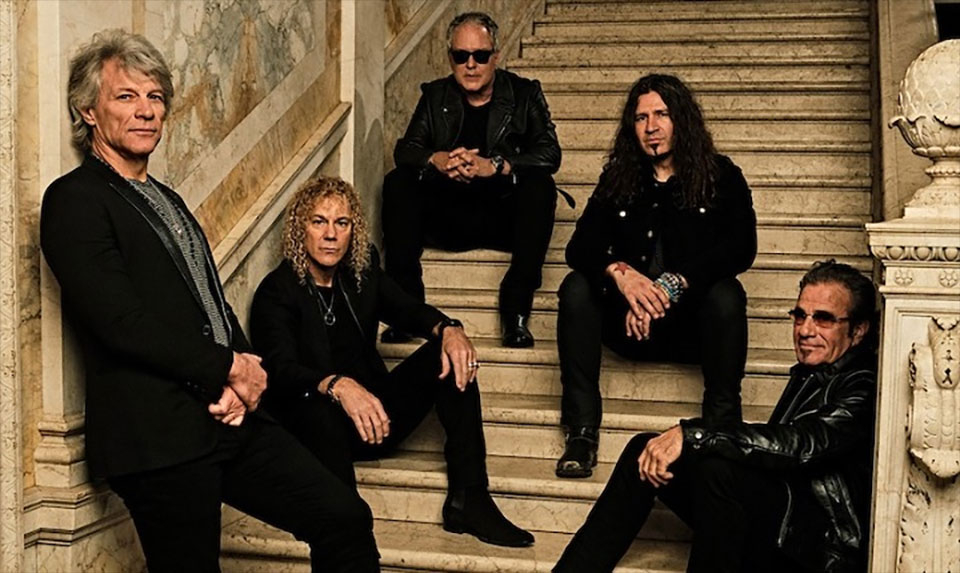
"Although I'll keep my social distance, what this world needs is a hug."

Do What You Can
“The song Do What You Can was the result of me being stuck in a creative funk. I was starting to feel depressed, because how can I give people hope when none of us can even go outside? My wife gave me the line “When you can’t do what you do, you do what you can”, and it lit a fire within me. The song just poured out, it was finished in less than thirty minutes!”
– Jon Bon Jovi
Witness To History
American Reckoning is much harder to judge.
Jon wrote it in response to the killing of George Floyd, describing himself as a “witness to history” and using the song to confront police violence directly.
Whatever anyone thinks about the politics, there’s no questioning the seriousness of the intent.
Musically, though, it’s barely there.
Acoustic guitar, restrained percussion and harmonica deliberately leave almost everything to the lyric. That makes sense when the words are the entire reason the song exists, but it also exposes a recurring problem with 2020:
Jon Bon Jovi has become more controversial as a storyteller at precisely the moment Bon Jovi have become less interesting as a band.
Lower The Flag is another good example.
Written after Jon went to sleep processing news of the El Paso shooting in August 2019 and woke to discover another mass shooting had occurred in Dayton, it’s one of the most serious lyrics he’s ever created.
The sparse arrangement is entirely appropriate for the subject matter.
However, over the course of five minutes, appropriate gradually deteriorates into monotonous.
Is it possible to admire everything a song is trying to say while having absolutely no desire to hear it again?
That distinction is crucial to 2020.
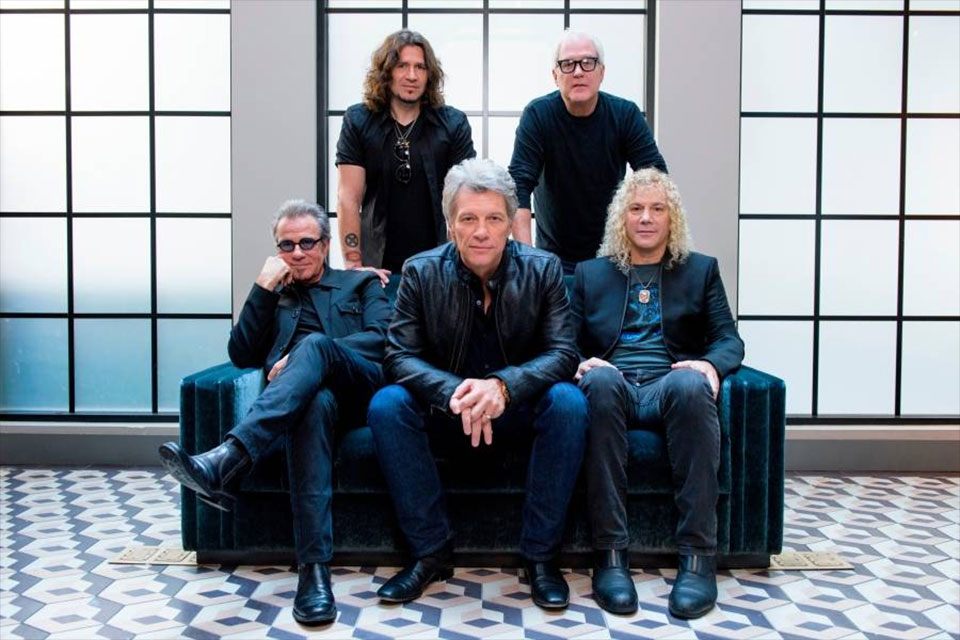
"When did a judge and a jury become a badge and a knee?"

American Reckoning
“I was moved to write American Reckoning as a witness to history. I believe an artist’s greatest gift is his or her ability to use their voice to speak on the issues that move us.”
– Jon Bon Jovi
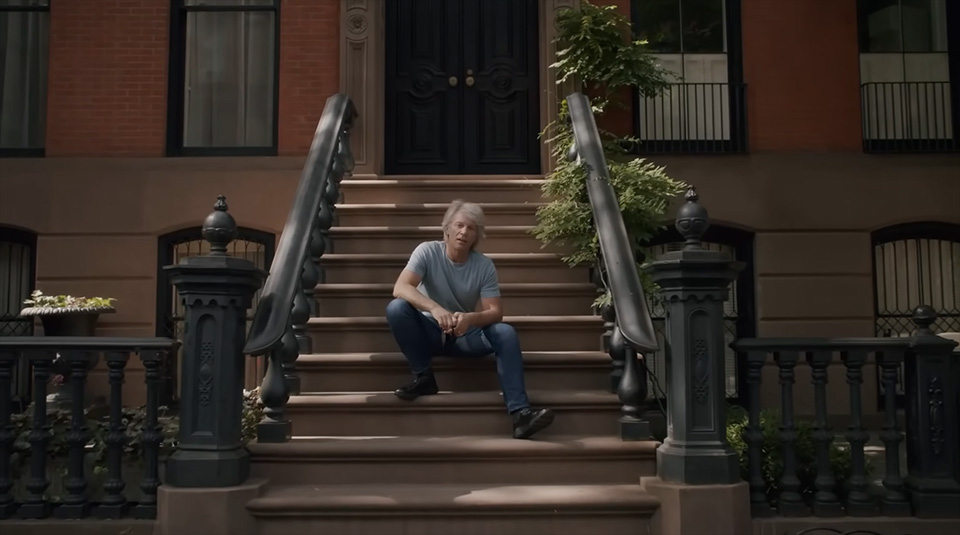
Blood In The Water
Occasionally, message and music meet.
The opening segments of Blood In The Water are ominous, the arrangement gradually expands, strings add genuine scale and the chorus finally gives Tico and the guitars somewhere to go.
There’s just one problem: it sounds suspiciously familiar.
Anyone who has spent enough time with the band’s earlier work will immediately hear Dry County and Always lurking somewhere within this track’s DNA. This resemblance stops Blood In The Water feeling completely fresh, but I’ll take Bon Jovi borrowing from a couple of their greatest songs over another five minutes of acoustic social commentary.
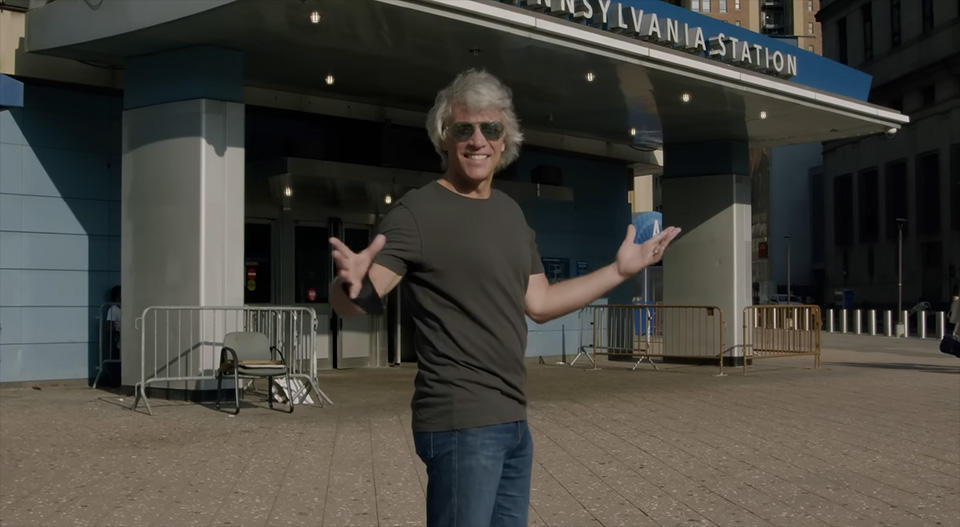
Where Did The Band Go?
This brings us to the strangest thing about the record.
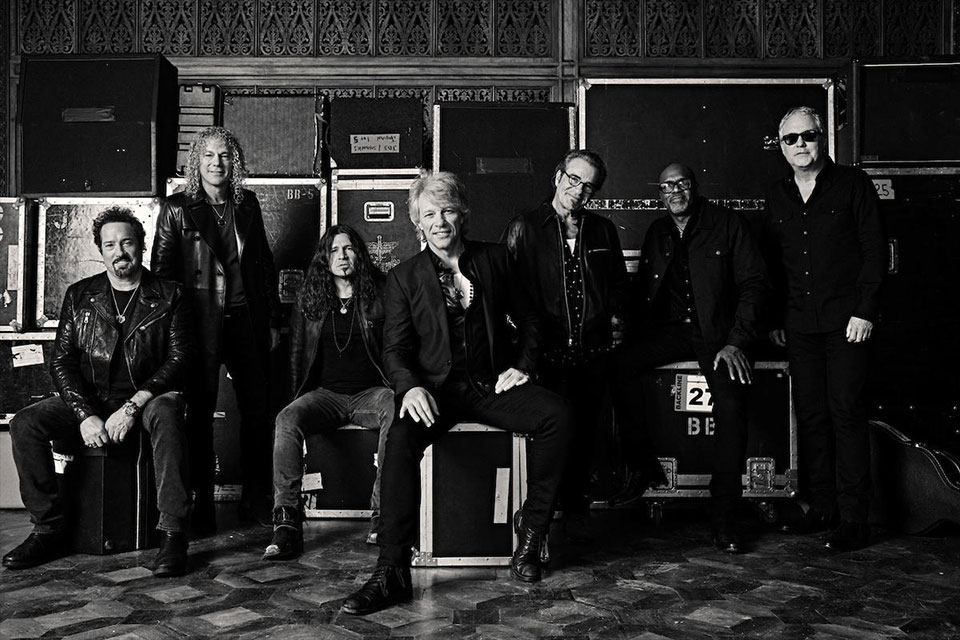
There’s a very good band credited on it.
Phil X is a phenomenal guitarist.
Tico Torres remains capable of flattening buildings.
David Bryan is a classically trained keyboard player who helped shape some of Bon Jovi’s most recognisable hits.
Hugh McDonald has been holding down the bottom end for decades.
Yet large stretches of this record could almost have been released as a Jon Bon Jovi solo album.
That’s not because everybody plays badly, but because these arrangements rarely give the other musicians anything distinctive to do.
Story Of Love is sincere but stretches a pleasant idea close to six minutes. Let It Rain drifts by without leaving any kind of lasting impression. Brothers In Arms finally discovers a little bluesy movement late in the record, but arrives after so much mid-tempo restraint that any pulse at all begins to feel revolutionary.
And Unbroken, written for a documentary about veterans and service dogs, closes out proceedings with another important subject stretched across another six minutes.
Again, the intention is admirable.
Again, the song isn’t terrible.
Again, I struggle to imagine voluntarily putting it on.
There’s a pattern developing here.
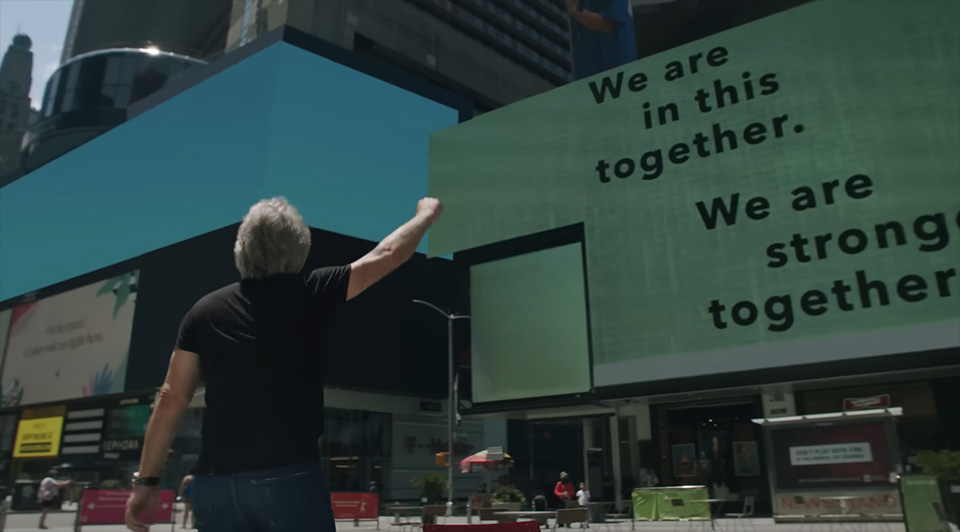
Good Intentions
And that’s ultimately why 2020 is so frustrating.
It might contain some of Jon Bon Jovi’s most mature subject matter.
For decades, critics accused the band of saying very little. Bon Jovi wrote about working-class characters, unbreakable love, never-ending perseverance, and Saturday nights.
Here, they finally look outside the Joviverse:
Gun violence.
PTSD.
Political division.
Immigration.
Police brutality.
A global pandemic.
The frontman later described the creative process as artistically fulfilling, and said his job wasn’t to pander to his audience but to narrate what he saw happening outside of his window for future generations.
We can respect that.
After all, there’s nothing wrong with a veteran artist taking a genuine swing at something difficult rather than making an album they didn’t fully believe in.
But ambition and quality are not the same thing.
The old Bon Jovi could make you remember a chorus after hearing it just once — 2020 frequently makes you respect a lyric while it’s playing, then forget the entire song as soon as the next one begins.
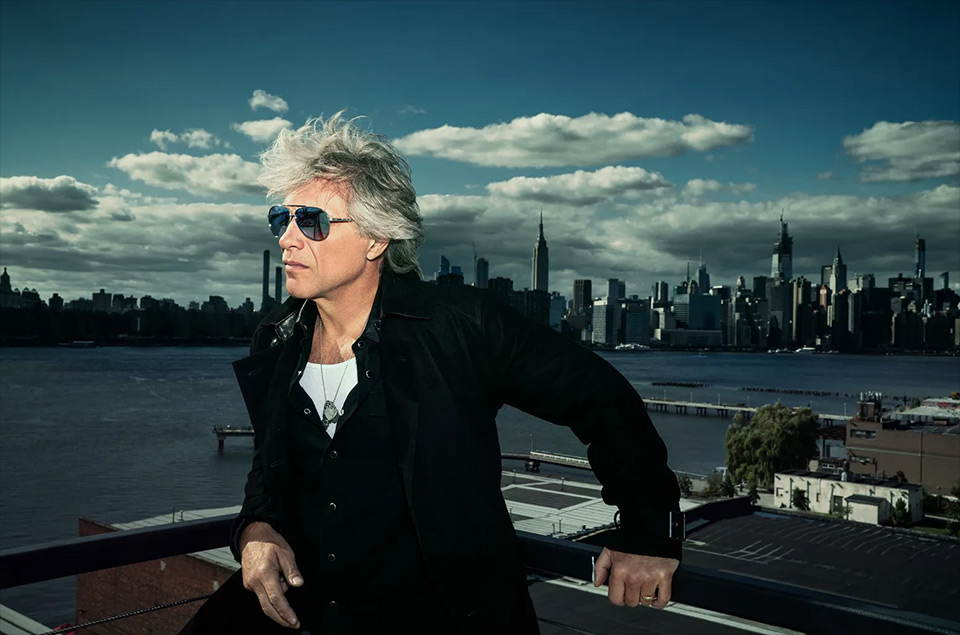
Bon Jovi – 2020
There is a certain comfort in hearing Bon Jovi do what Bon Jovi do.
Yes, it’s cheesy.
Yes, Jon has spent forty years telling us to keep going whenever life kicks us in the bollocks.
And yes, somewhere in New Jersey there’s presumably a factory producing enormous choruses specifically for him.
But this innate ability to lift people has always been part of their charm. It’s a skill that very few rock bands possess, and of those who do, none have been able to deploy it as successfully as Bon Jovi over the years.
2020 deliberately erases this key trait.
That could well make this the most artistically courageous and socially conscious record Bon Jovi have ever released, but it also makes it the least enjoyable.
Standout track Do What You Can proves that the band are capable of marrying their new-found maturity to memorable music, but too much of 2020 asks the listener to appreciate what a song represents rather than what it sounds like — and that’s simply not enough.
An important subject can inspire a great song. It cannot substitute for one.
FINAL VERDICT:
Bon Jovi’s desire to create an audible time capsule of a turbulent era is admirable in its intent, but a shortage of memorable songs stops it dead in its tracks.
★ ★ ★
3/11
Poor
See Our Reworked Tracklist
These Go To Eleven
Reworked Tracklist
2020 is an unusually heavy listen for Bon Jovi. Our reworked tracklist tries to shift the pacing for a smoother experience.
Here’s how we recommend listening to Bon Jovi: 2020 for maximum impact:
- Limitless (3:42) ★
- Do What You Can (4:20) ★
- American Reckoning (4:42)
- Beautiful Drug (3:48) ★
- Story Of Love (5:50)
- Let It Rain (4:59)
- Lower The Flag (4:55)
- Blood In The Water (5:58)
- Brothers In Arms (4:13)
- Unbroken (6:08)
★ Standout track
STANDOUTS Do What You Can · Beautiful Drug · Limitless
MORE READING 2020 (2020) is part of our Bon Jovi review series.
Further reading
Continue the Bon Jovi story.

Bon Jovi’s Forever (2024) leans into reflection and self-reference, delivering strong late-career hooks and a surprisingly satisfying potential farewell.
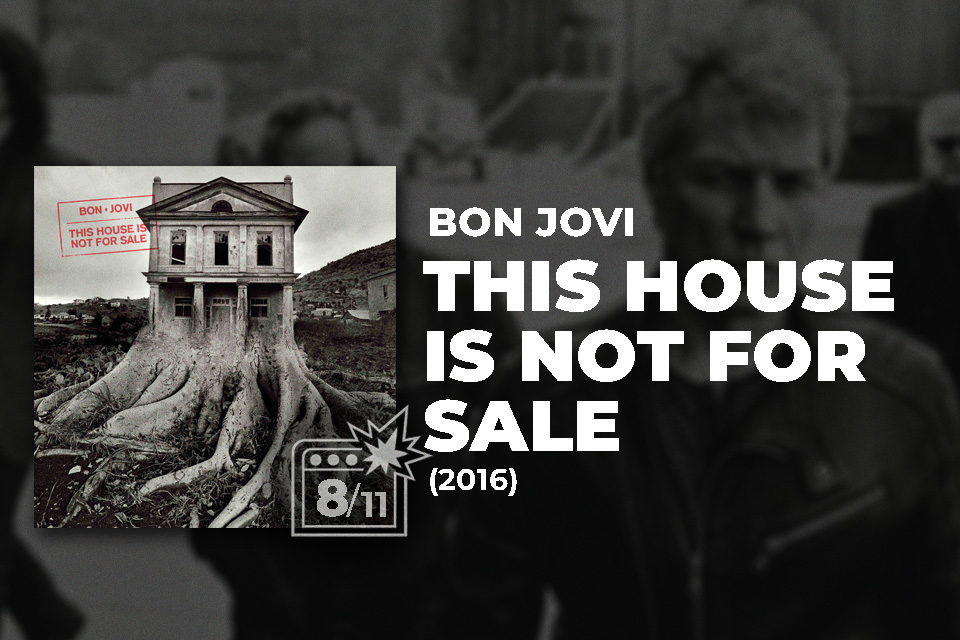
The first record of the post-Sambora era stands as proof that Bon Jovi’s instinct for survival remains their greatest strength.
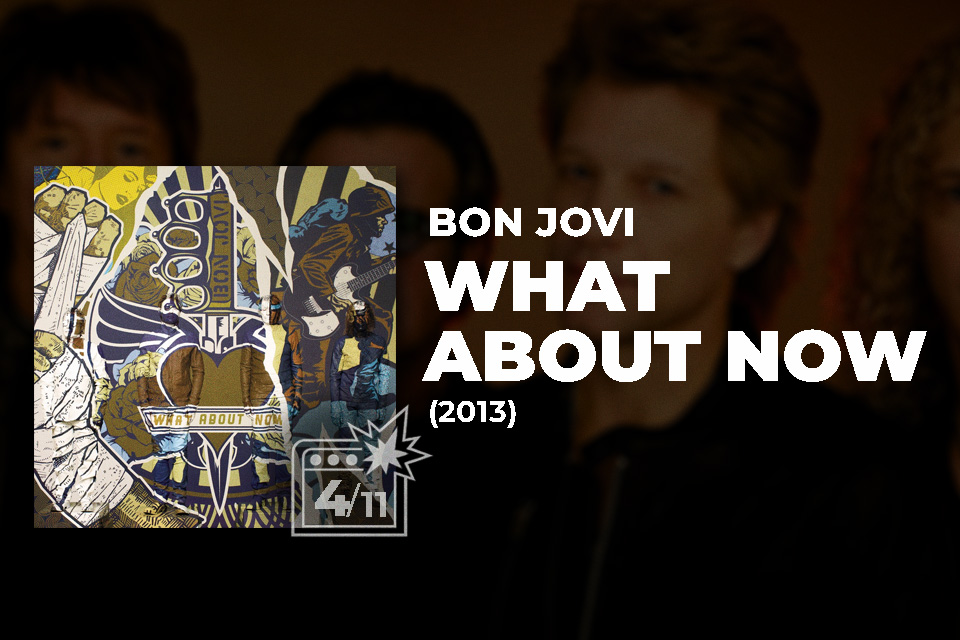
“What About Now?”, asks Jon Bon Jovi, as he painfully tweaks the band’s trademark sound in search of critical acclaim on their twelfth studio LP.
Explore the full Bon Jovi album guide
Few bands have navigated reinvention quite like Bon Jovi. From their mid-’80s breakthrough to the country detour of the 2000s and post-Sambora rebuild, their catalogue charts the evolution of arena rock across five decades.