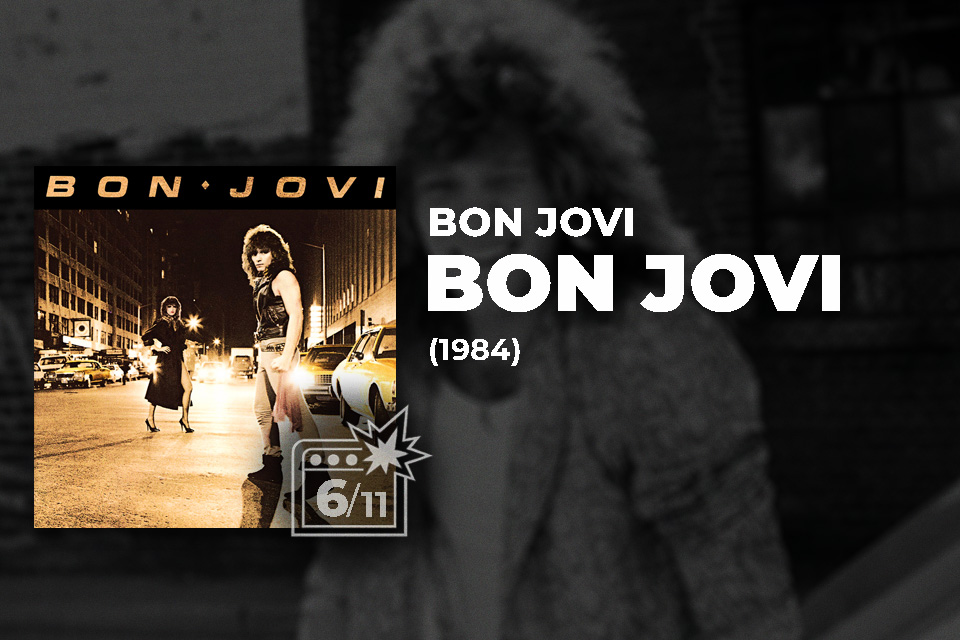
These Go To Eleven Says:
A hungry debut with one true classic anthem — and enough sparks to hint at the juggernaut they would eventually become.
★ ★ ★ ★ ★ ★
STANDOUTS Runaway · Shot Through The Heart · Burning For Love
6/11
Flawed
Album details & credits
- Title
- Bon Jovi
- Artist
- Bon Jovi
- Released
- January 23, 1984
- Label
- Mercury Records
- Produced by
- Tony Bongiovi and Lance Quinn
- Key personnel
- Jon Bon Jovi (vocals, guitar) · Richie Sambora (guitar, backing vocals) · Alec John Such (bass) · Hugh McDonald (bass) · David Bryan (keyboards) · Tico Torres (drums)
- Singles
- Runaway · She Don’t Know Me · Burning For Love · Shot Through The Heart
- Chart performance
- No. 43 on Billboard 200 Chart · No. 71 on UK Album Chart
- Total sales
- 3,600,000
- Certification
- Platinum
- Score
- ★ ★ ★ ★ ★ ★
Bon Jovi – Bon Jovi (1984) Review
Bon Jovi’s 1984 debut is all energy, ambition, and nerve.
Unfortunately, it’s clear that the band hadn’t yet learned how to turn those things into consistently great songs.
It’s a tension that defines the record, because you can hear the hunger everywhere — in the tempos, the choruses, the sheer urge to make something happen — but it’s audibly palpable that the group is still searching for a signature identity beyond youthful enthusiasm.
And then Runaway arrives, and everything clicks.
It’s not only the clear standout here, it set the blueprint for the juggernaut Bon Jovi would become.
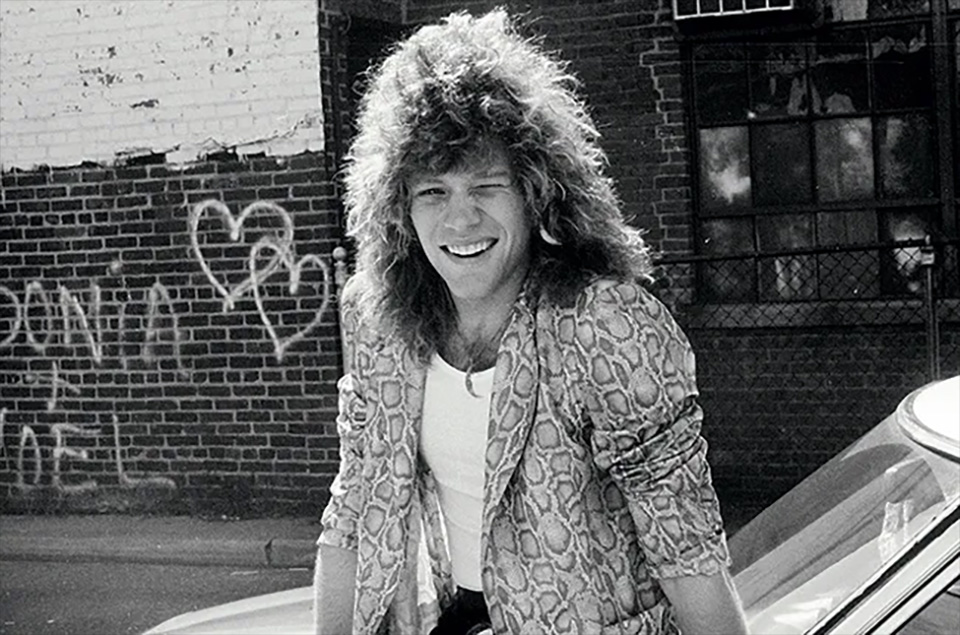
Man On A Mission
The origin story behind this record is perhaps even more interesting than the music itself.
Frontman Jon Bon Jovi began writing the record’s breakout hit single while working nights at his uncle’s recording studio, sweeping the floors of the famous Power Station in exchange for free time in the booth after-hours.
The New Jersey singer then gave an early display of the blue-collar work ethic that would eventually define the group when, master copy in hand, he walked to every radio station within a hundred-mile radius and provided them with a cassette of the finished track in the hope they might play it on the air.
He only received one response, but as it turned out, that’s all he needed.
Because after local radio station WAPP handed Runaway its first glimpse of airtime in the early hours of a Sunday morning, the song quite literally ran away with itself; reaching the heady heights of No. 39 on the US Billboard Hot 100 — a quite remarkable feat for an unsigned, managerless artist.
Better yet, his one man marketing campaign caught the attention of sales execs at Mercury Records. Impressed by the youngster’s gumption, they decided to sign him on a one-album deal, and then helped him assemble the line-up of musicians we recognise today as Bon Jovi.

Styles Clash
Production sheen was part of the plan, but the interesting thing about Bon Jovi (1984) is that it doesn’t fully behave like a hair-metal record — even when the sound suggests it should.
The songs here lean more toward grounded, Springsteen-like storytelling about working-class grit as opposed to the genre’s usual priorities, which creates a slight mismatch: a glossy presentation wrapped around material that often wants to feel more direct and relatable.
The result is punchy and likable, but unfocused.
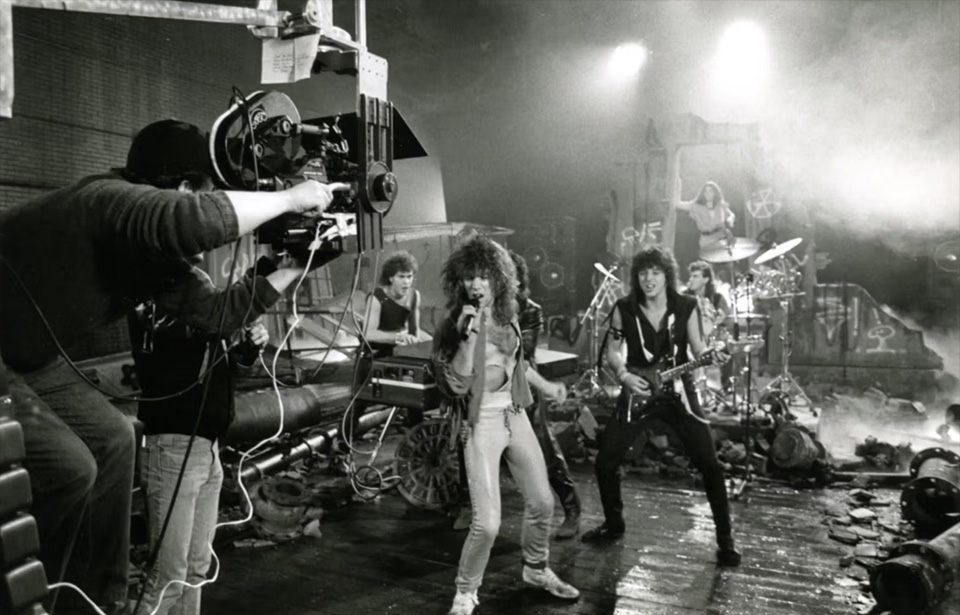
Beyond The Obvious
Their sound was not a finished identity yet, but you can hear the jigsaw pieces clicking into place.
For while it doesn’t contain another song quite as complete as its lead single, that’s not to say there aren’t any highlights. Roulette is the tightest pure rocker here — lean, punchy, and closer to the band’s later “arena discipline” than most of the tracklist. Shot Through The Heart hints at the romantic melodrama they’d eventually turn into a superpower.
Meanwhile, the none-more-eighties duo of Burning For Love and Get Ready sound like they could’ve been written for the Tech Noir scene in The Terminator — which, coincidentally, arrived in theaters during the same month.
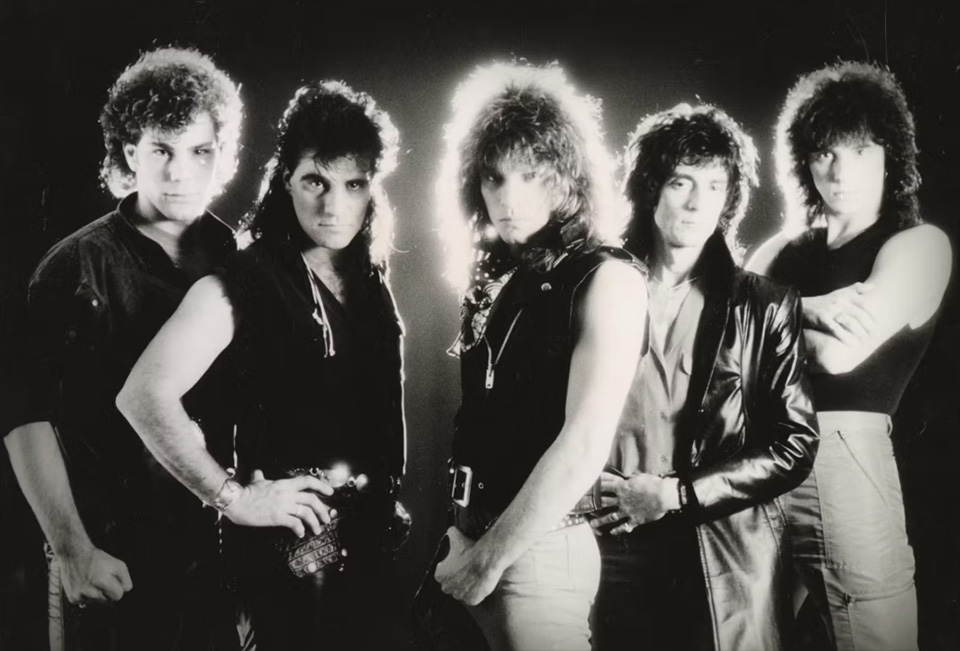
A Key Ingredient
The original version of Runaway predates Bon Jovi as a fully formed band.
It was cut by Jon and a handful of session players from the All Star Review — including guitarist Tim Pierce, keyboardist Roy Bittan, drummer Frankie LaRocka, and bassist Hugh McDonald. That’s part of why the track sounds unusually assured compared to the rest of the debut: it already had professional muscle behind the idea.
And there’s a neat historical loop in there, too, because when founding member Alec John Such left the band in the mid-’90s, it was McDonald — already embedded in Bon Jovi lore via Runaway and his continued appearances on future releases as an uncredited musician — who stepped in.
“I didn’t know anything. I don’t think we became a good band until our third record (Slippery When Wet), but we had a great dummer who could keep time, and that’s something you should never take for granted.”
– Jon Bon Jovi

Bon Jovi: Self-Titled
Bon Jovi (1984) is a debut propelled by potential, from a group running on pure drive while they waited for their craftmanship to catch up.
Runaway is the obvious calling card — not just the standout, but the clearest early proof that Jon had a commercial instinct most bands would’ve killed for.
Around that is a mixture of promising shapes and rough edges: flashes of what would eventually become the band’s “factory settings”, and a handful of songs that aren’t quite there.
Had Bon Jovi never ascended to the pinnacle of the genre, this record would be remembered for its killer lead single and nothing more. As things stand, though, it makes for an interesting retrospective listen; capturing a band who were on the brink of finding rock music’s infinity stones.
FINAL VERDICT:
A hungry debut with one true classic anthem — and enough sparks to hint at the juggernaut they would eventually become.
★ ★ ★ ★ ★ ★
6/11
Flawed
See Our Reworked Tracklist
These Go To Eleven
Reworked Tracklist
This reworked tracklist tightens the pacing for a cleaner, more convincing listen.
Here’s how to experience Bon Jovi: Bon Jovi (1984) for maximum impact:
- Runaway (3:50) ★
- Shot Through The Heart (4:15) ★
- Love Lies (4:06)
- Roulette (4:38)
- Get Ready (4:07)
- She Don’t Know Me (4:02)
- Breakout (5:20)
- Burning For Love (3:51) ★
- Come Back (3:56)
★ Standout track
STANDOUTS Runaway · Shot Through The Heart · Burning For Love
MORE READING Bon Jovi (1984) is part of our Bon Jovi review series.
Further reading
Continue the Bon Jovi story.
Bon Jovi return with a solid yet unremarkable follow-up to Slippery When Wet.
Bon Jovi hit peak mid-80s form on Slippery When Wet (1986): huge hooks, bigger choruses and a relentless run of stadium-ready hard rock.
Bon Jovi’s second effort is a rushed affair which fails to show their true potential.

Explore the full Bon Jovi album guide
Few bands have navigated reinvention quite like Bon Jovi. From their mid-’80s breakthrough to the country detour of the 2000s and post-Sambora rebuild, their catalogue charts the evolution of arena rock across five decades.