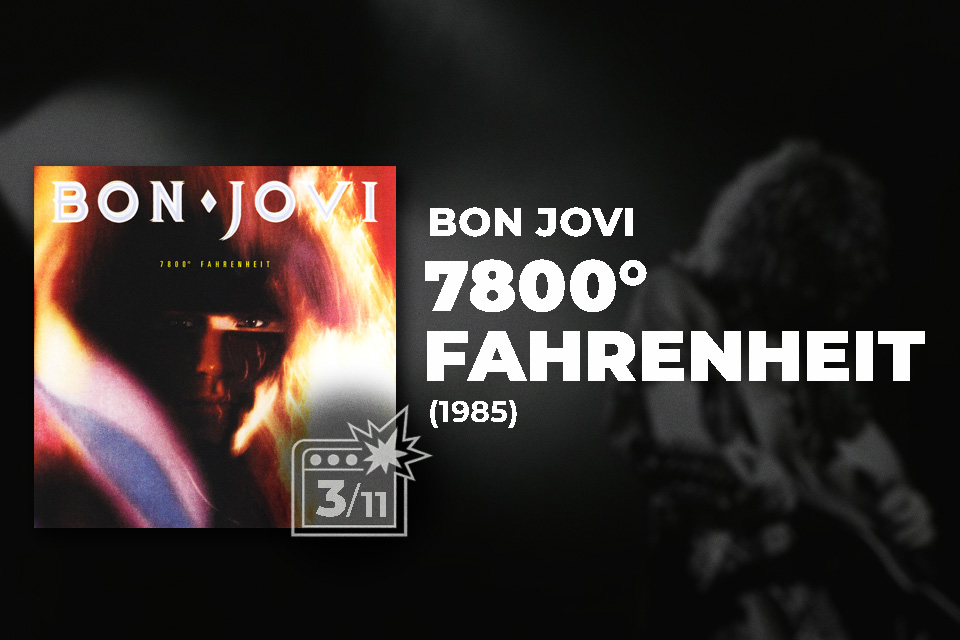
These Go To Eleven Says:
A rushed second album that mistakes effort for identity — a few strong songs hint at what’s coming, but the hooks aren’t there yet.
★ ★ ★
STANDOUTS In & Out Of Love · Tokyo Road · The Hardest Part Is The Night
3/11
Poor
Album details & credits
- Title
- 7800° Fahrenheit
- Artist
- Bon Jovi
- Released
- March 27, 1985
- Label
- Mercury Records
- Produced by
- Lance Quinn
- Key personnel
- Jon Bon Jovi (vocals, guitar) · Richie Sambora (guitar, backing vocals) · Alec John Such (bass) · Hugh McDonald (bass) · David Bryan (keyboards) · Tico Torres (drums)
- Singles
- Only Lonely · In & Out Of Love · The Hardest Part Is The Night · Silent Night
- Chart performance
- No. 37 on Billboard 200 Chart · No. 28 on UK Album Chart
- Total sales
- 2,500,000
- Certification
- Platinum
- Score
- ★ ★ ★
Bon Jovi: 7800° Fahrenheit (1985) Review
A rushed second album that mistakes effort for identity.
Introduction
Back in the 1980s, a band’s second album could make or break them. One misstep on the Sunset Strip and the industry moved on without you.
Bon Jovi, in that sense, were lucky.
7800° Fahrenheit — named after “the melting point of rock” — is a rushed, underwhelming follow-up to their solid-if-unspectacular debut, and it captures a band still searching for a signature sound. Instead of sharpening what worked (e.g. Runaway), it spends too much of its runtime chasing mid-’80s hard rock flash: busier guitars, bigger exertion, fewer truly memorable hooks.
Too Much Too Fast
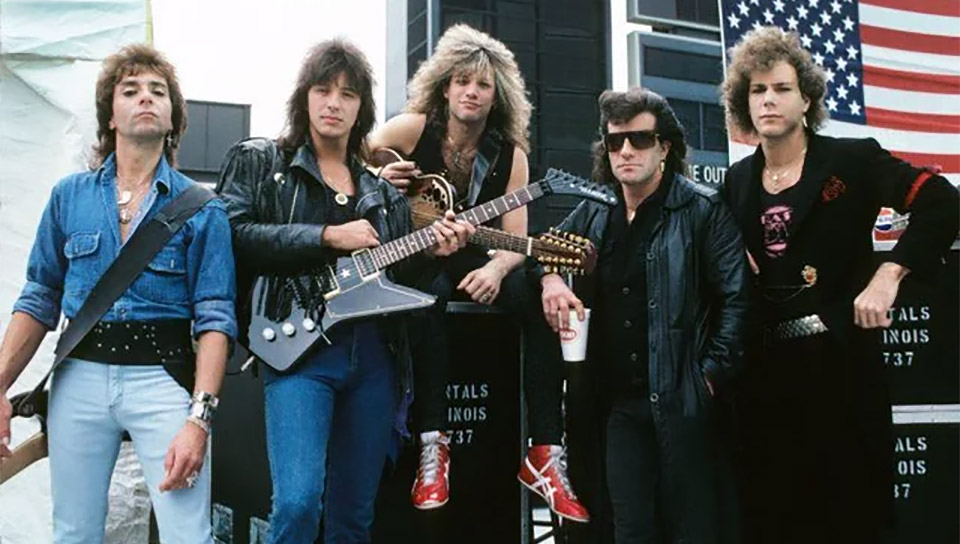
Jon Bon Jovi blames the album’s failure on burnout.
Having already played hundreds of gigs prior to releasing their 1984 debut, manager Doc McGhee is said to have signed them up to play an astonishing six concerts per week for another 10 months straight (!).
To make matters worse, McGhee was keen to capitalize on the positive feedback which was coming from their live audiences, so he instructed Bon Jovi to cut a fresh record while still on the road – but didn’t consider that they were in no fit state to do so.
“Truth be told, I don’t really consider this record part of our history. It was rushed, and everybody – including me – felt burned out from our schedule and the personal issues it had caused by being away from home for so long. We never want to revisit that mental state, so over the years we’ve just chalked this record up to experience and moved out from it.”
– Jon Bon Jovi
Why It Doesn’t Work
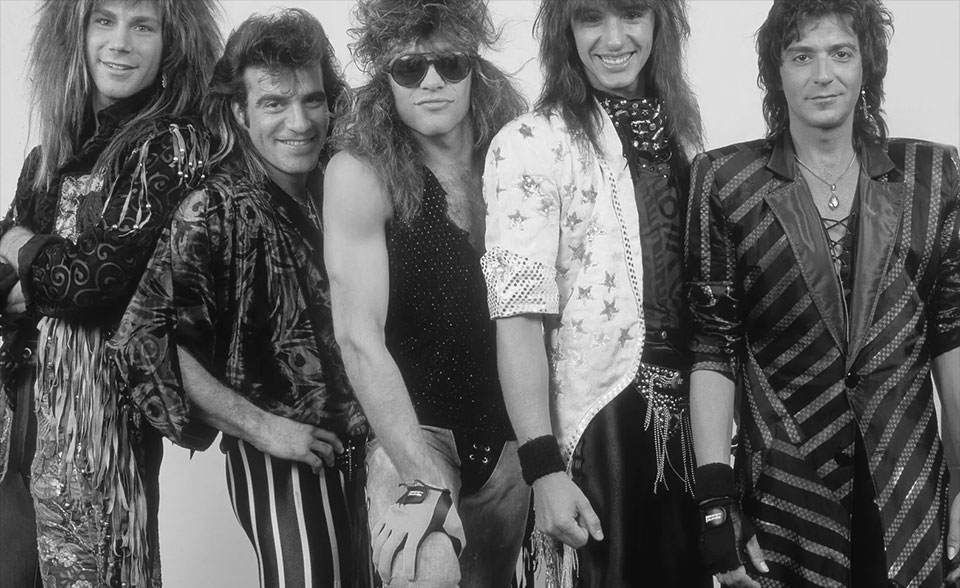
The problem here isn’t effort so much as direction.
Because while plenty happens on 7800° Fahrenheit, nothing truly sticks in the memory.
Minus the chorus-writing chops that would soon define them, it often feels like Bon Jovi are trying on other bands’ clothes: heavier riffs, more fretboard theatrics, louder everything — but no clear personality holding it all together. The final result isn’t a disaster but it’s a blur: earnest, energetic, and instantly forgettable.

Glimmers Of Potential
Despite the negativity within the band at this point, there are occasional flashes of greatness on 7800° Fahrenheit.
Standout single In & Out Of Love is the clearest hit — sharp, direct, and already pointing toward the arena-ready instincts the band would soon weaponise.
Elsewhere, Tokyo Road hints at ambition and scale, and The Hardest Part Is The Night shows the band beginning to understand structure: verse tension, pre-chorus lift, chorus release. The ingredients are there. They’re just not fully assembled yet.
Sonic Boom
Dynamically, the album is a few steps away from what made Runaway pop so well.
For while their previous hit possessed a scrappy urgency and a sense of space around the hooks, the material on 7800° Fahrenheit often feels more congested, more determined to sound like 1985 hard rock than to build on their biggest assets — despite both records being helmed by Lance Quinn.
It’s a small difference, but it matters, because Bon Jovi’s greatness would eventually come from clarity, not clutter.
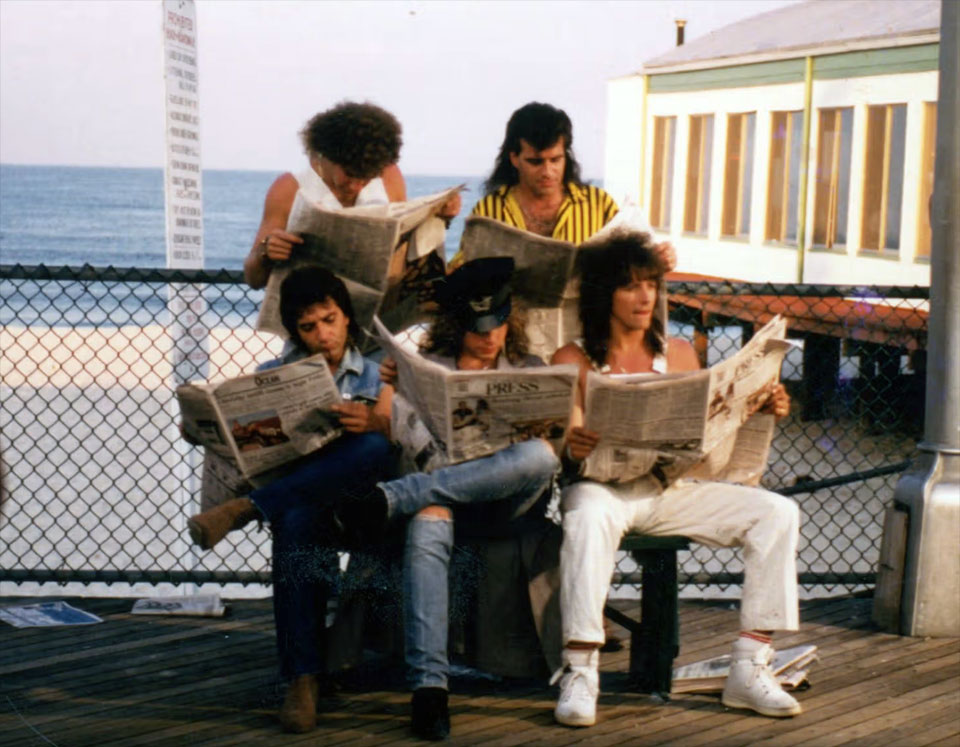
"One more town, one mile to go."
In & Out Of Love

Bon Jovi – 7800° Fahrenheit
The lasting legacy of 7800° Fahrenheit is less about the music and more about the lesson it taught them.
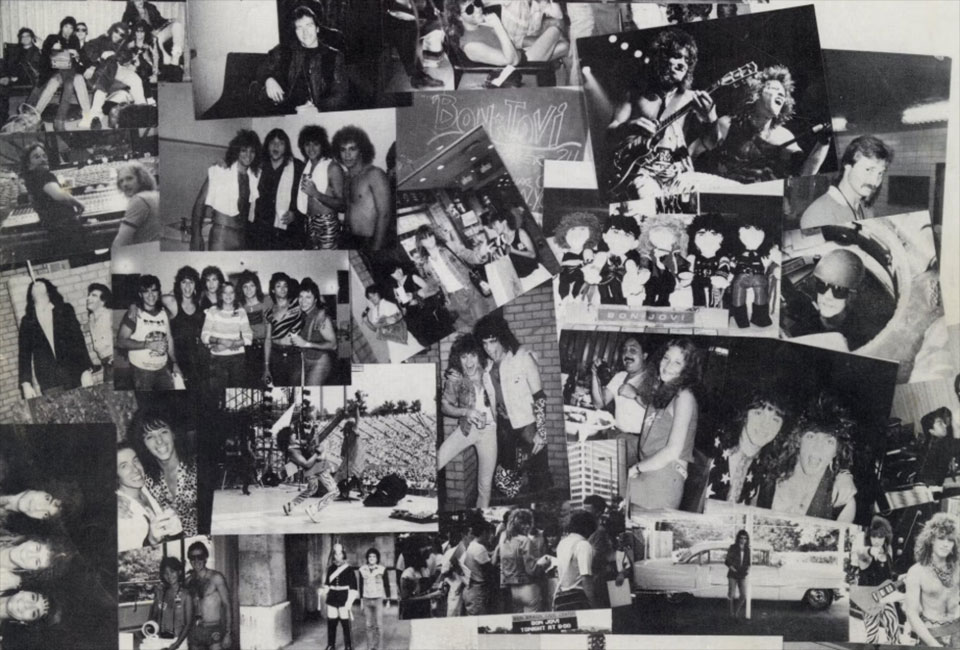
This is the period of time where Jon Bon Jovi and Richie Sambora truly earned their stripes, developing the kind of onstage chemistry you only get through repetition, pressure, and a brutal touring schedule of more than 300 gigs per year.
If they sounded like battle-hardened veterans at the age of 23, it’s because they were.
This relentless work ethic would put them light years ahead of many rivals but, circa 1985, they didn’t yet have the record to match it. Thankfully, this commercial stumble did’nt sink Bon Jovi. Instead, they stepped away and regrouped, then returned with a much sharper sense of purpose on their next effort.
FINAL VERDICT:
A rushed second album that mistakes effort for identity — a few strong songs hint at what’s coming, but the hooks aren’t there yet.
★ ★ ★
3/11
Poor
See Our Reworked Tracklist
These Go To Eleven
Reworked Tracklist
Several ideas show promise, but the pacing often buries them beneath filler and overworked arrangements.
Here’s how to experience Bon Jovi: 7800° Fahrenheit (1985) for maximum impact:
- In & Out Of Love (4:25) ★
- King Of The Mountain (3:54)
- The Hardest Part Is The Night (4:25) ★
- Always Run To You (5:00)
- The Price Of Love (4:14)
- Only Lonely (4:58)
- Silent Night (5:07)
- To The Fire (4:27)
- Secret Dreams (4:56)
- Tokyo Road (5:40) ★
★ Standout track
STANDOUTS In & Out Of Love · Tokyo Road · The Hardest Part Is The Night
MORE READING 7800° Fahrenheit (1985) is part of our Bon Jovi review series.
Further reading
Continue the Bon Jovi story.

Bon Jovi return with a solid yet unremarkable follow-up to Slippery When Wet.

Bon Jovi hit peak mid-80s form on Slippery When Wet (1986): huge hooks, bigger choruses and a relentless run of stadium-ready hard rock.

Bon Jovi (1984) is a high-energy debut with inconsistent writing, but “Runaway” signals the arena band they were about to become.
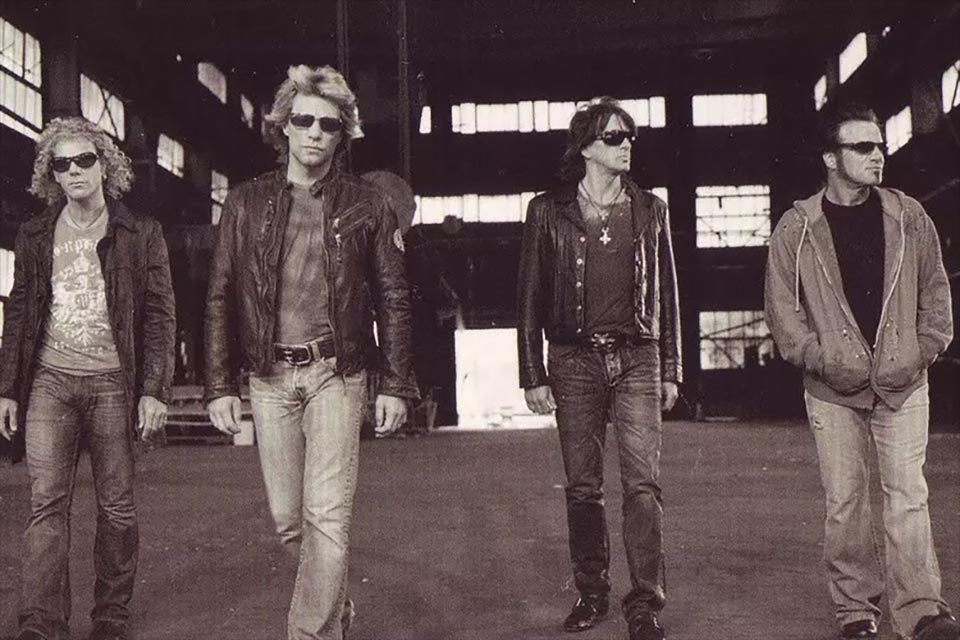
Explore the full Bon Jovi album guide
Few bands have navigated reinvention quite like Bon Jovi. From their mid-’80s breakthrough to the country detour of the 2000s and post-Sambora rebuild, their catalogue charts the evolution of arena rock across five decades.