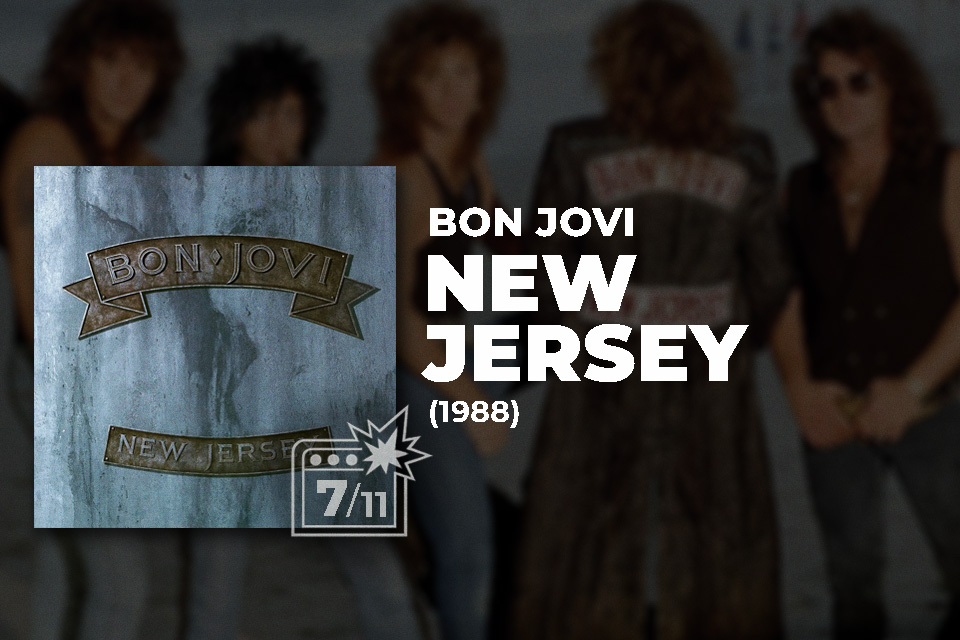
These Go To Eleven Says:
Great when all the pieces click — it just doesn’t happen often enough.
★ ★ ★ ★ ★ ★ ★
STANDOUTS Lay Your Hands On Me · I’ll Be There For You · Blood On Blood
7/11
Solid
Album details & credits
- Title
- New Jersey
- Artist
- Bon Jovi
- Released
- September 19, 1988
- Label
- Mercury Records
- Produced by
- Bruce Fairbairn
- Key personnel
- Jon Bon Jovi (vocals, guitar) · Richie Sambora (guitar, backing vocals) · Alec John Such (bass) · Hugh McDonald (bass) · David Bryan (keyboards) · Tico Torres (drums)
- Singles
- Bad Medicine · Born To Be My Baby · I’ll Be There For You · Lay Your Hands On Me · Living In Sin
- Chart performance
- No. 1 on Billboard 200 Chart · No. 1 on UK Album Chart
- Total sales
- 19,000,000
- Certification
- 7x platinum
- Score
- ★ ★ ★ ★ ★ ★ ★
Bon Jovi: New Jersey (1988) Review
In 1988, Bon Jovi were sitting on top of the world in 1988 — and this is precisely what makes New Jersey such a strange album to review.
Because, on paper, it’s absolutely loaded: huge production, peak-era Sambora guitar work, and a run of hit singles that most of their rivals would’ve killed for.
It’s also historically ridiculous in becoming the last hard rock album to generate five top ten singles on the US Billboard Hot 100; a milestone that still stands over four decades later.
And yet, somehow, it still disappoints.
Not because it’s bad — honestly, it’s not — but because predecessor Slippery When Wet had set the bar so unattainably high that, when you’re chasing perfection, “good” can feel like a bit of a comedown.

Mission Impossible?
New Jersey is by no means a failure.
In Bad Medicine, Lay Your Hands On Me, and I’ll Be There For You, it has three undeniable cornerstones that offer more than enough firepower to cement Bon Jovi’s status as one of rock’s elite acts.
Instead, the record’s problem is simple: where Slippery felt effortless and enthusiastic, there’s an audible sense of tension and strain that runs through New Jersey from beginning to end. The band appear caught somewhere between “do it again” and “do it even bigger”, buckling under the weight of expectation and rendering themselves unable to live up to what came before.
“I was scared that I might not be able to write anything else as good as You Give Love A Bad Name. We obsessed over it — to the point where we even had to re-write large sections of Love is War because we didn’t realise it had the exact same chord progressions.”
– Jon Bon Jovi

The Singles Steal The Show
If there’s one band in rock who understand the importance of hit singles, it’s Bon Jovi.
This is where New Jersey truly excels, because its trifecta of world-beating singles perfectly capture the essence of the late-80s hard rock scene.
Gospel-soaked album opener Lay Your Hands On Me is pehaps the grandest experiment they had conducted to this point of their career. It is beautifully offset by power ballad I’ll Be There For You; a track that we believe will be remembered as one of their finest pieces of work, thanks to Jon Bon Jovi and Richie Sambora’s interesting dual vocal theatrics.
Finally, bouncy lead single Bad Medicine goes the route of pure part rock propulsion. In some ways, this song could be seen as their take on Motley Crue — albeit considerably more polite, a band you could introduce to your grandma without any concerns that they’d throw her television out of the window, or snort white powder from her mantelpiece.
Either way, it all works.
"I'm just the singer of a long-haired rock and roll band."
Blood On Blood

Uneven And Unbalanced
New Jersey’s real problems begin once you get outside the singles.
A handful of tracks feel like they’ve been assembled under pressure rather than discovered naturally — verses and choruses that don’t quite belong together, glued by key changes that disrupt the flow.
The clearest examples of this are Wild Is The Wind and Love Is War; both have strong components, but the joins certainly show.
And in chasing the next “mega-moment” so aggressively, sometimes the songwriting forgets to breathe. From this perspective, the most frustrating near-miss is Living In Sin — a ballad that contains an outstanding chorus of classic Bon Jovi scale, but never quite provides it with the support structure it deserves.
“My biggest regret from the New Jersey album is that I allowed Bruce (Fairbairn, producer) to change Born To Be My Baby from acoustic to electric. Had we kept it in the original format, I believe it would’ve been the fourth big hit from the record.”
– Jon Bon Jovi

Fool Me Once…
New Jersey’s inconsistency isn’t a mystery — it’s the cost of keeping the machine running.
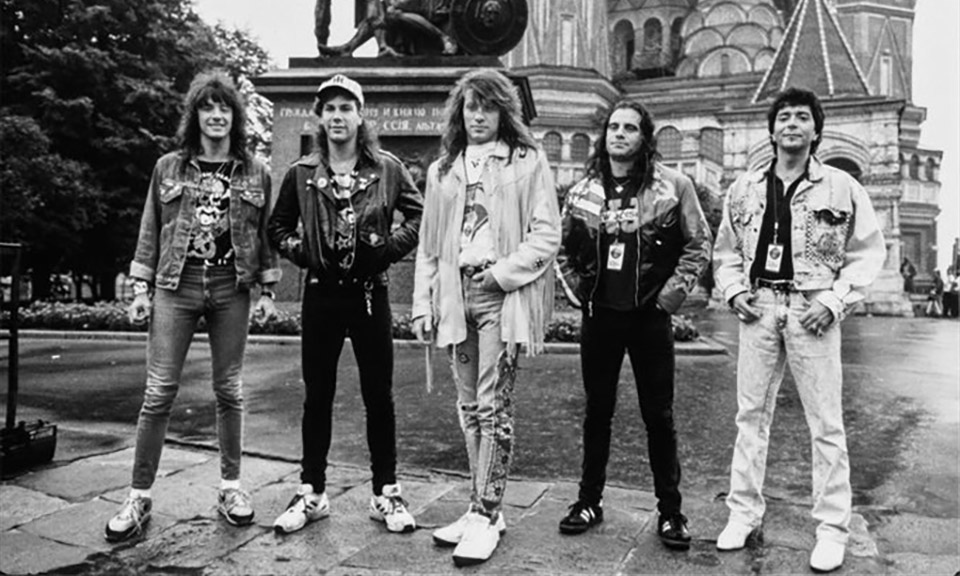
For while one of the record’s lasting visuals shows the band sitting beneath a banner proclaiming “We’re back!” in giant letters, the truth is they’d never really been away.
The unexpected eruption of third effort Slippery When Wet led Bon Jovi to extend the supporting world tour by eighteen months in a bid to maximise their commercial reach, and then — with just a three-week break to recover from two years of extensive touring — they carried a new-found weight of expecation and an unshakeable feeling of jet lag straight into the follow-up.
It’s a near catastrophic re-run of a mistake they had made only three years earlier, when their management team persuaded them to “strike while the iron is hot” by cutting a follow-up to their 1984 debut whilst in the throes of a gruelling Asian tour that had them playing six concerts per week for a whole year.
Crucially, the bulk of the material on New Jersey is simply too strong to suffer the same fate as that of 7800 Fahrenheit — although it does perhaps explain why it occasionally feels like the band are attempting to force square pegs into round holes.
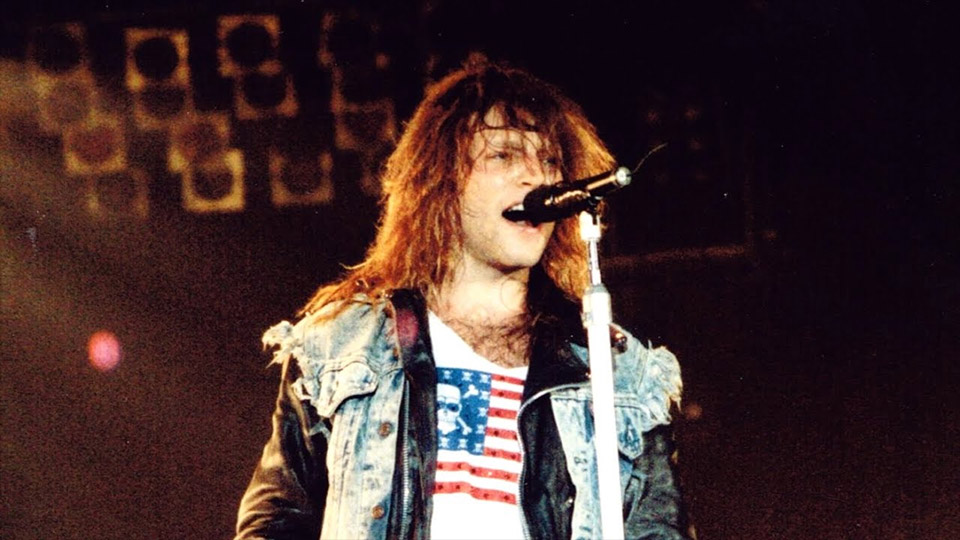
“We needed a rest so badly, but Slippery kept getting bigger so we kept extending the tour, and then our manager said he’d like us to go straight into the next record. We were young, foolish, and scared of losing everything we’d worked hard for, so we did the album and then stayed on the road for a further two years. Looking back, New Jersey is the record that almost broke us apart.”
– Jon Bon Jovi
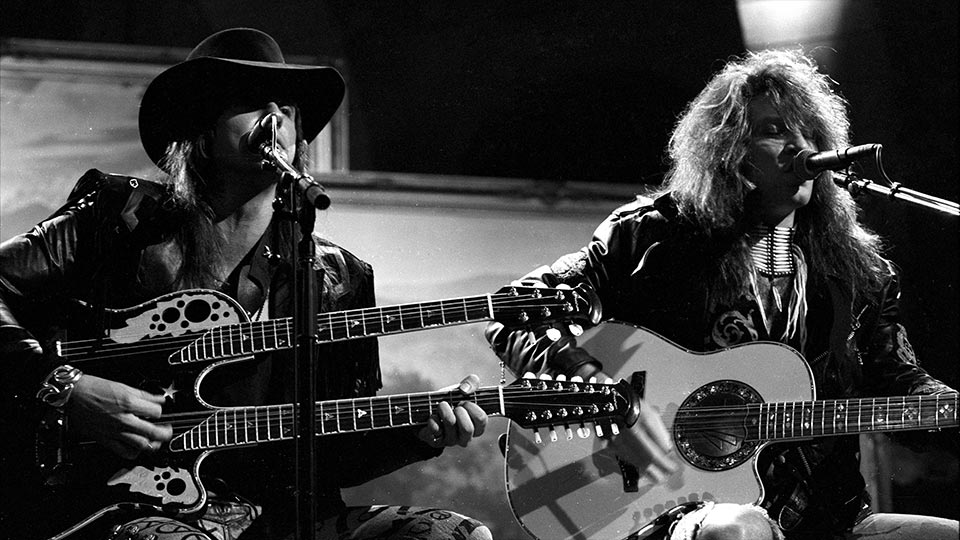
Wait… Cowboys?
It might be the record that nearly broke them, but it’s also the one where they decided they wanted to be full-time cowboys.
Clearly, this decision was influenced by the success of previous single Wanted Dead Or Alive.
It’s a skillset the frontman wouldn’t fully master until two years later with the release of the iconic Blaze Of Glory, but there are still genuine moments of promise here — for instance, over-sized rocker Stick To Your Guns carries considerable heft, and Blood On Blood is a productive friendship anthem that the band themselves considered the best work of their careers to date.
However, with no fewer than six of New Jersey’s twelve tracks taking on Wild West imagery, the real issue here is repetition.
After all, there’s only so many times you can ride into town before it starts to sound like fancy dress; the lacklustre Homebound Train nevery really becomes what it’s desperately reaching for, meanwhile acoustic effort Love For Sale is all saloon chatter with diminishing returns, and Ride Cowboy Ride is a simple throwaway that should’ve been left on the cutting room floor.
This is perhaps the record’s main problem in miniature; a few great moments, then a stretch of road where it feels like the band are scrambling for the next big idea as the tape keeps rolling.
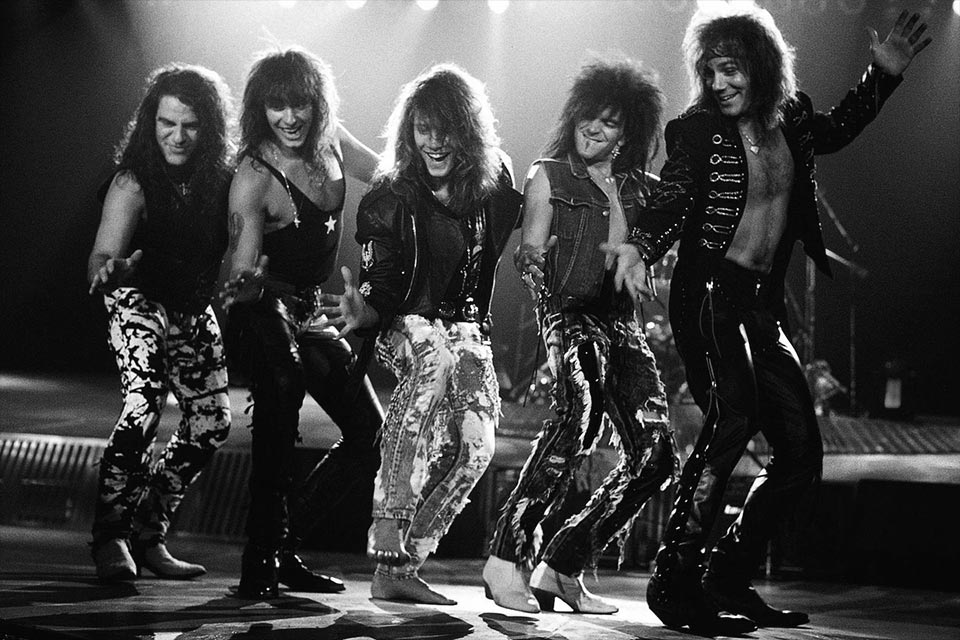
“We really do feel like modern-day cowboys. In the old days, the cowboys would ride into a new town, drink the booze, steal the women, take the money and run. We do the same thing!”
– Richie Sambora
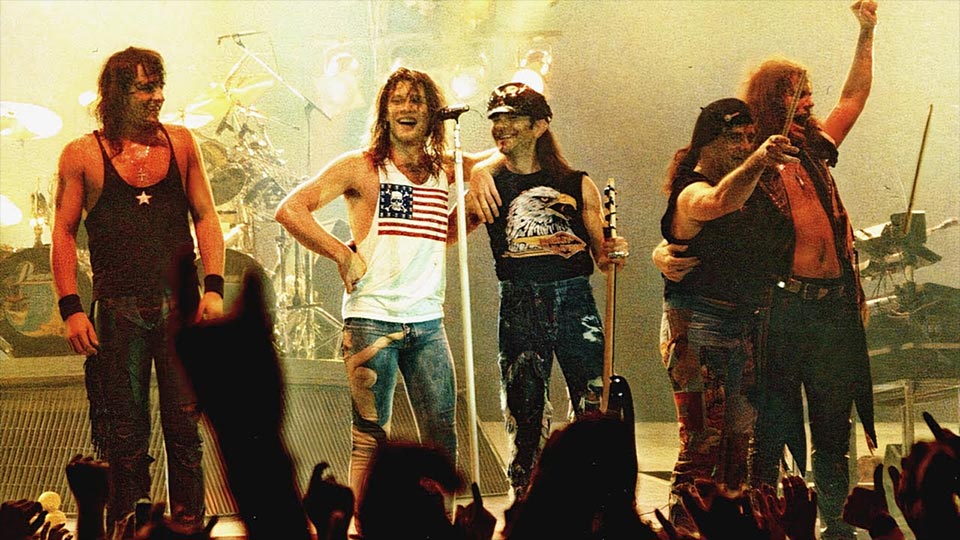
A Clash Of Styles
Originally titled Sons Of Beaches, the record was set to pick up exactly where its predecessor left off.
However, the band’s decision to pursue cowboy-related themes caused the creative process to take an unexpected left turn at the halfway stage.
Forcing the best offerings from these two very different concepts to occupy space within the same setlist was a bold move, and you can feel the awkward joins where New Jersey attempts to bounce from harsh tales about the lonesome life of a gunslinger into feel-good stadium anthems that attempt to replicate Slippery When Wet’s carefree breeze.
This sometimes causes the record to trip over itself, because while nobody can deny the ambition behind storytelling efforts like Stick To Your Guns, it can’t help but feel out of place sat alongside decadent rockers that celebrate the joys of living for the weekend — such as the aforementioned Bad Medicine, or the infectious 99 In The Shade; a track that goes as far as to reference the album’s original title within its lyrics, and even provides an update on the circumstances of fictitious duo Tommy and Gina from previous smash Livin’ On A Prayer.
"Somebody tells me even Tommy's coming down tonight, if Gina says it's alright."
99 In The Shade
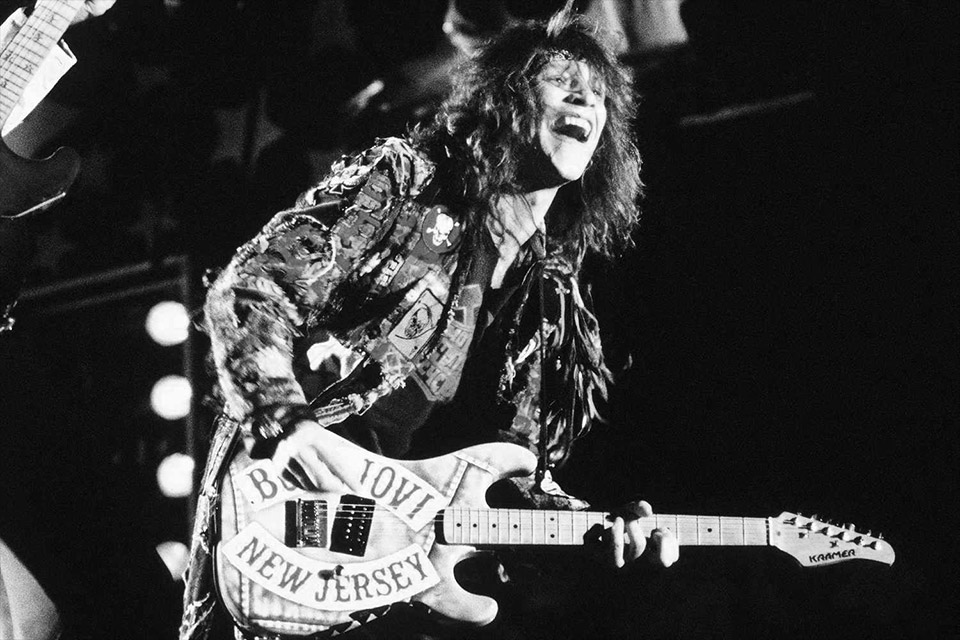
Hair Today, Gone Tomorrow
In hindsight, New Jersey is celebrated as the final hoo-rah of hair metal’s mainstream dominance.
The first cracks in the make-up had already began to show a few months prior to this album’s release, with the surge in popularity of Guns N’ Roses’ seminal debut Appetite For Destruction — a record which carried a raw edge and element of danger that made the “party rock” of their peers look outdated almost overnight.
Hot on the heels of GN’R’s genre reset came the emergence of grunge, and it would be the combination of these two grittier styles of rock that ultimately spelled doom for hair metal.
Bon Jovi were one of the few bands to survive this seismic shift in the music landscape, and they did it by making a series of smart changes to their sound that their rivals either weren’t capable of figuring out or weren’t capable of pulling off. New Jersey is the final snapshot of Bon Jovi as hair metal’s default setting — big hair, bigger choruses, and a production shine you could use as a mirror.
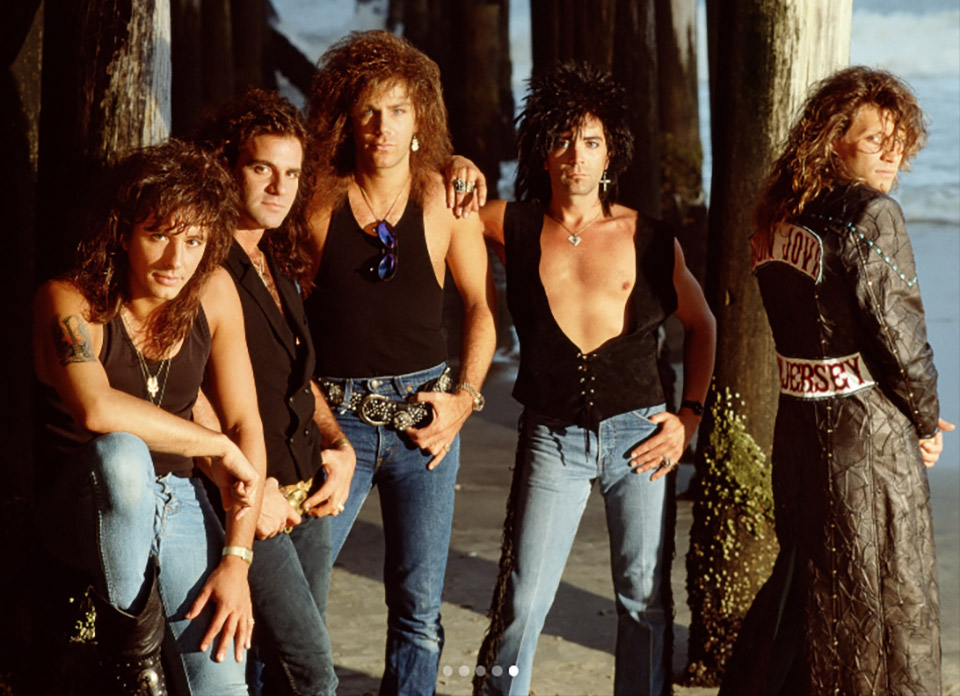
Bon Jovi – New Jersey
It will likely never fully escape the shadow of Slippery When Wet, but New Jersey remains a solid record.
Its trio of huge hits would likely have been considered “career highlights” by many of their late-80s rivals, but it’s to Bon Jovi’s credit that, such is their uncanny ability to pen radio-hogging hits, these songs were merely the latest additions to a long line of unit-shifting singles, most of which would eventually occupy a spot on one of the greatest Greatest Hits albums ever made.
FINAL VERDICT:
Great when all the pieces click — it just doesn’t happen often enough.
★ ★ ★ ★ ★ ★ ★
7/11
Solid
See Our Reworked Tracklist
These Go To Eleven
Reworked Tracklist
This reworked tracklist keeps the undeniable singles and strongest deep cuts, but sequences the album into a cleaner listen where momentum doesn’t slip away.
Here’s how we recommend listening to Bon Jovi: New Jersey (1988) for maximum impact:
- Lay Your Hands On Me (5:58) ★
- Blood On Blood (6:16) ★
- Stick To Your Guns (4:45)
- Born To Be My Baby — Acoustic Version (4:53)
- Judgment Day (4:18) ^
- Full Moon High (4:42) ^
- I’ll Be There For You (5:46) ★
- Wild Is The Wind (5:58)
- Now And Forever (5:34) ^
- 99 In The Shade (4:29) ^
- Love Hurts (4:49) ^
- Living In Sin (4:39)
- Bad Medicine (5:16)
★ Standout track
^ Indluded on the deluxe edition
– Excluded tracks: Homebound Train (5:10), Love Is War (4:15), Ride Cowboy Ride (1:25), Love For Sale (3:58)
STANDOUTS Lay Your Hands On Me · I’ll Be There For You · Blood On Blood
MORE READING New Jersey (1988) is part of our Bon Jovi review series.
Further reading
Continue the Bon Jovi story.
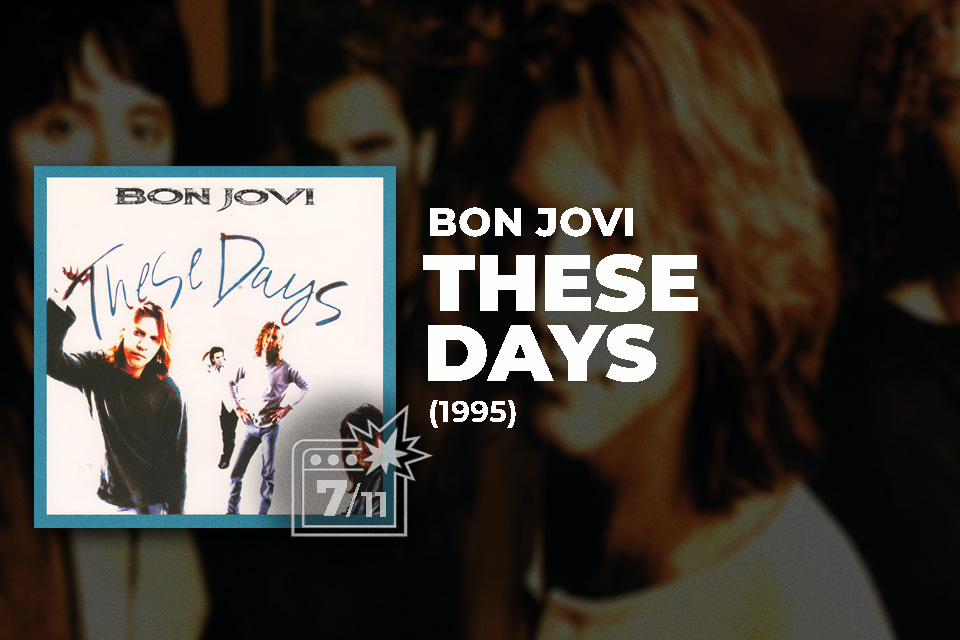
The final entry in Bon Jovi’s “golden run” shows a group growing older and more cynical.
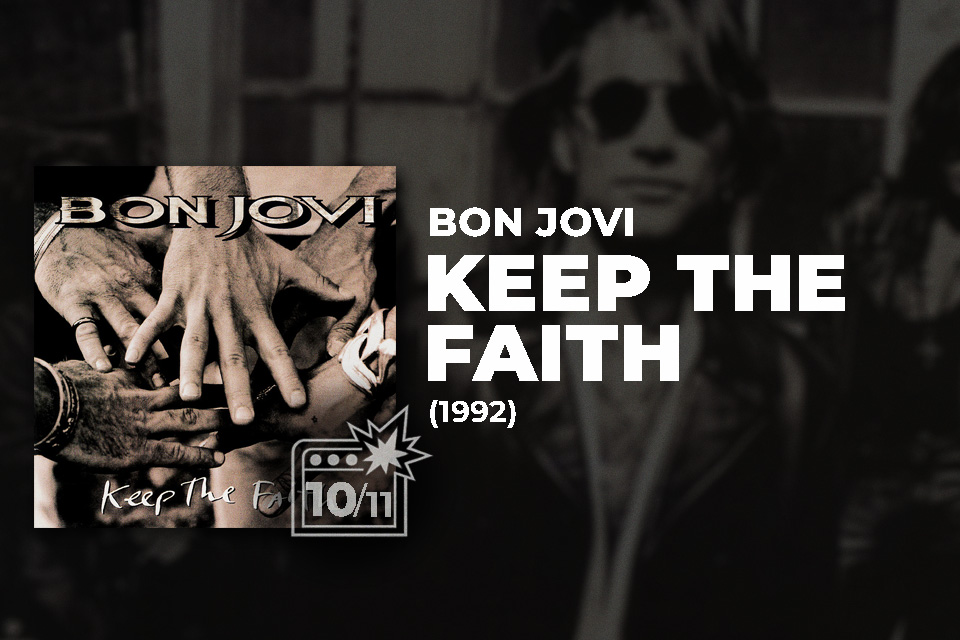
Bon Jovi rock into the 90s with one of their very best albums.
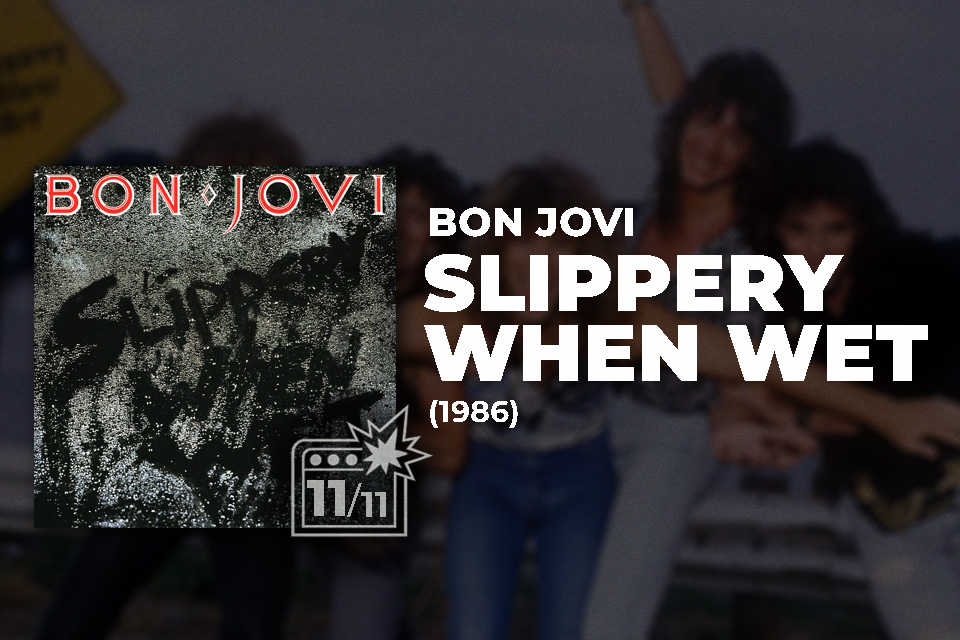
Bon Jovi hit peak mid-80s form on Slippery When Wet (1986): huge hooks, bigger choruses and a relentless run of stadium-ready hard rock.
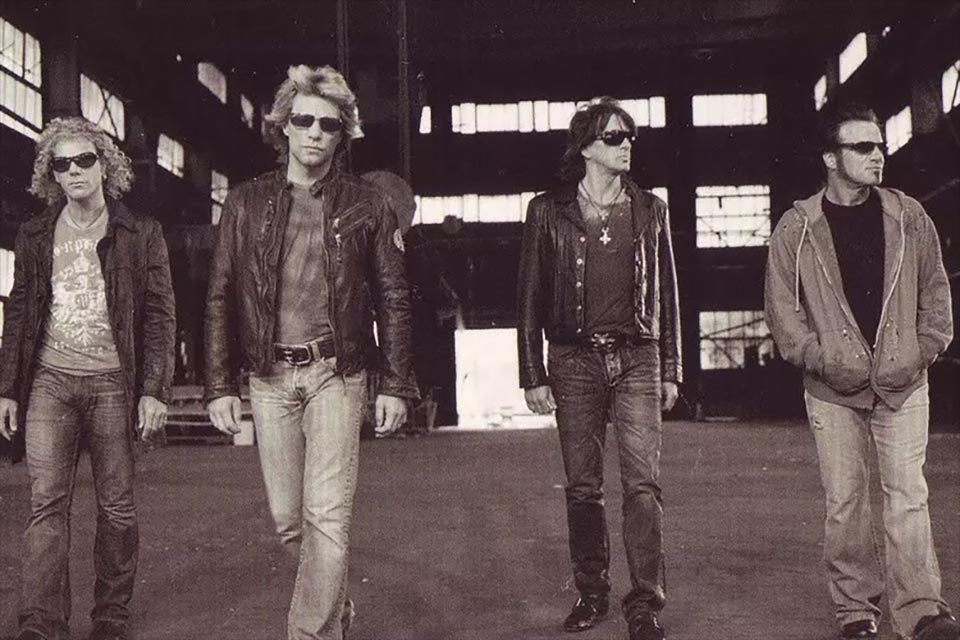
Explore the full Bon Jovi album guide
Few bands have navigated reinvention quite like Bon Jovi. From their mid-’80s breakthrough to the country detour of the 2000s and post-Sambora rebuild, their catalogue charts the evolution of arena rock across five decades.