These Go To Eleven Says:
Against all odds, This House Is Not For Sale finds Bon Jovi reinvigorated; trading heaviness for conviction and delivering one of their strongest and most purposeful records in years.
★ ★ ★ ★ ★ ★ ★ ★
STANDOUTS Living With The Ghost · Real Love · This House Is Not For Sale
8/11
Strong
Album details & credits
- Title
- This House Is Not For Sale
- Artist
- Bon Jovi
- Released
- November 4, 2016
- Label
- Island Records
- Produced by
- John Shanks and Jon Bon Jovi
- Key personnel
- Jon Bon Jovi (vocals, guitar) · Phil X (guitar) · John Shanks (guitar) · Hugh McDonald (bass) · David Bryan (keyboards) · Tico Torres (drums)
- Singles
- This House Is Not For Sale · Knockout · Labor Of Love · Born Again Tomorrow · When We Were Us · Walls
- Chart performance
- No. 1 on Billboard 200 Chart · No. 1 on Billboard Rock Chart · No. 5 on UK Album Chart
- Total sales
- 400,000
- Certification
- Silver
- Score
- ★ ★ ★ ★ ★ ★ ★ ★
Bon Jovi – This House Is Not For Sale (2016) Review
By 2016, Bon Jovi had lost far more than Richie Sambora.
The legendary axeman had walked away during the troubled What About Now era, while the band’s three-decade relationship with Mercury Records had also collapsed badly enough for Jon Bon Jovi to turn the title track of stop-gap album Burning Bridges into a thinly-veiled diss track at his former label.
For a band who had made a career out of surviving at all costs, an awful lot of familiar ground had suddenly disappeared beneath their feet.
That makes This House Is Not For Sale a fascinating record before you’ve even pressed play.
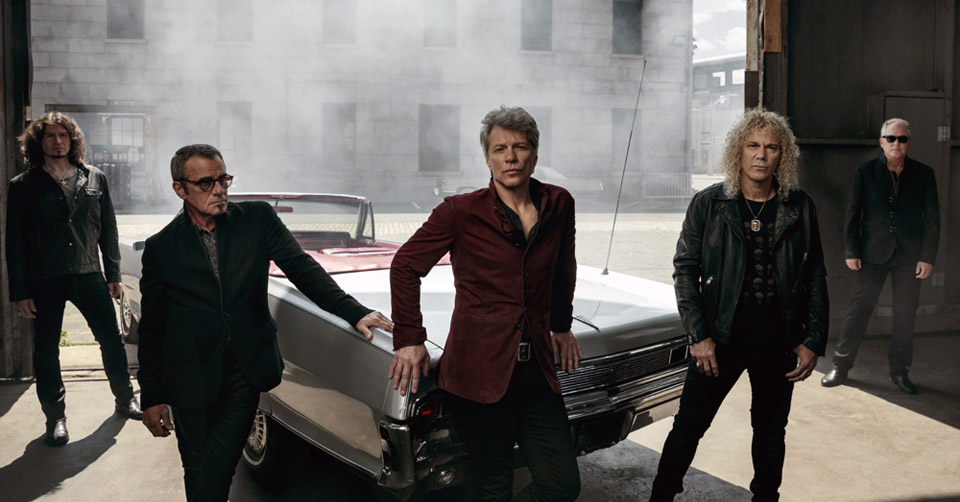
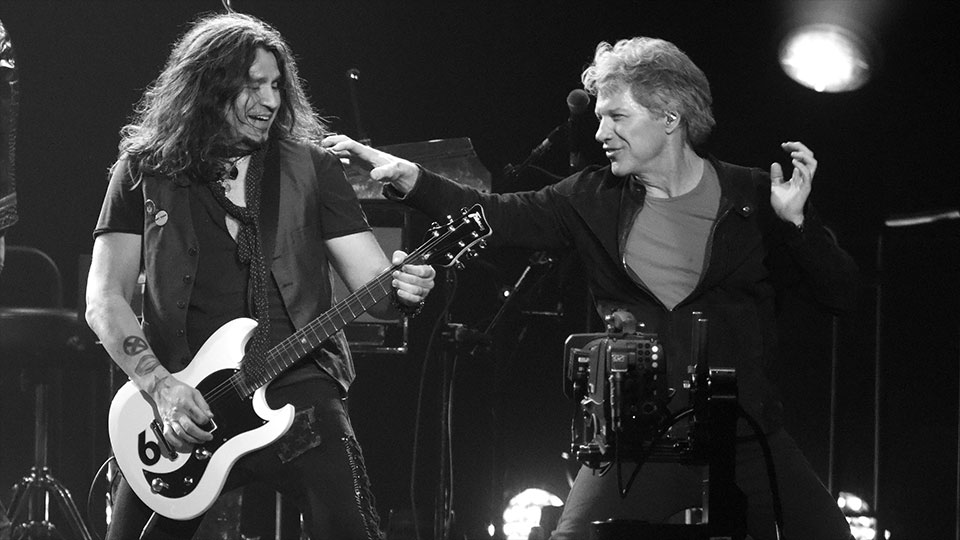
Not because Phil X has the impossible job of replacing Sambora, but because Bon Jovi themselves need to establish what the band sounds like without one of the men who helped create that sound in the first place.
The surprising answer?
Pretty damn good.
No Future Living In The Past
You know within the opening two tracks that something has changed.
This House Is Not For Sale isn’t particularly adventurous — in fact, its construction is vintage latter-day Bon Jovi. There’s a sturdy verse, guitars gathering underneath, and a gigantic chorus engineered specifically for arenas full of people punching the air.
We’ve been here before.
The difference is that this time Jon sounds like he actually means it.
There’s genuine defiance behind the song rather than the increasingly generic positivity which had started to dominate albums like What About Now. When Jon sings about foundations, memories and refusing to give up ownership of what he’s built, it doesn’t require a degree in lyrical interpretation to understand why.
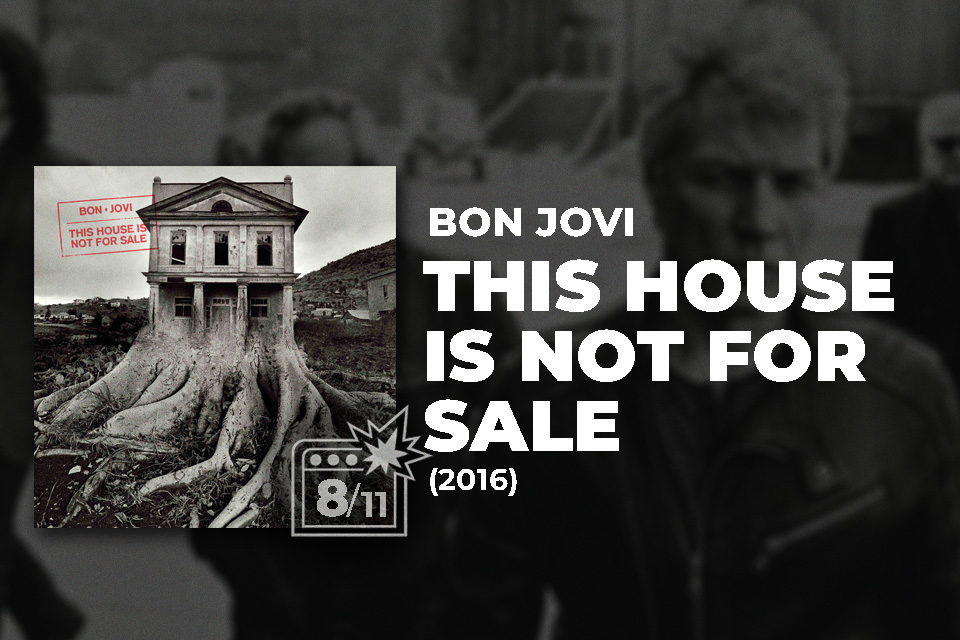
The album’s cover helps underline the point. Jon has explained that Jerry Uelsmann’s photograph of an old house anchored by enormous roots gave him the focus for the record: something battered by time but still held firmly in place.
It’s hardly subtle.
Then again, this is Bon Jovi. Subtlety has never filled a stadium.
What matters is that it works.
And then Living With The Ghost blows it away.
This is comfortably one of Bon Jovi’s strongest songs of the post-millennium era, thanks to a vocal delivery of full-bodied conviction that was noticeably missing on their previous record. It’s a remarkably autobiographical tune, with the frontman lifting the lid on both the turmoil that engulfed the group in the wake of Sambora’s untimely departure, and the self-imposed pressure of attempting to steer the machine by himself.
It’s a devastatingly effective piece of work.
In fact, the only glaring omission is precisely what you’d expect; after building that much tension, your ears are waiting for a ridiculous Richie Sambora guitar solo to rip through the middle of it.
It never arrives.
And, for perhaps the first time on the record, you really notice he’s gone.
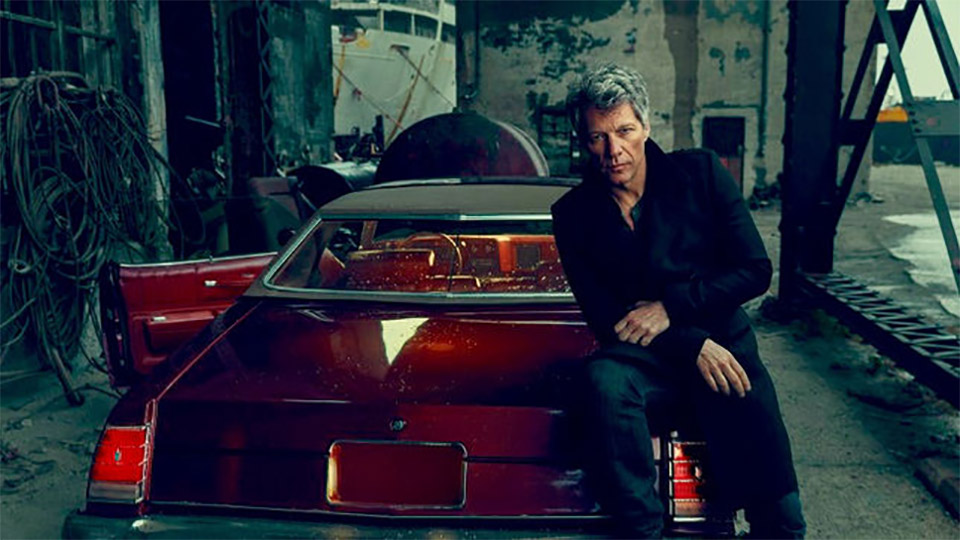
"We were fire and gasoline, now I ain't living with the ghost."

Living With The Ghost
Meet The New Bon Jovi
That absence hangs over This House Is Not For Sale, but not necessarily in the way you might expect.
Trying to recreate Richie’s bluesy leads, talkbox theatrics and huge backing vocals would have turned the record into musical cosplay and created an uncarriable weight for new axeman Phil X.
Instead, he brings a more direct, aggressive style to the band — although frustratingly, the production doesn’t always give him enough room to demonstrate it.
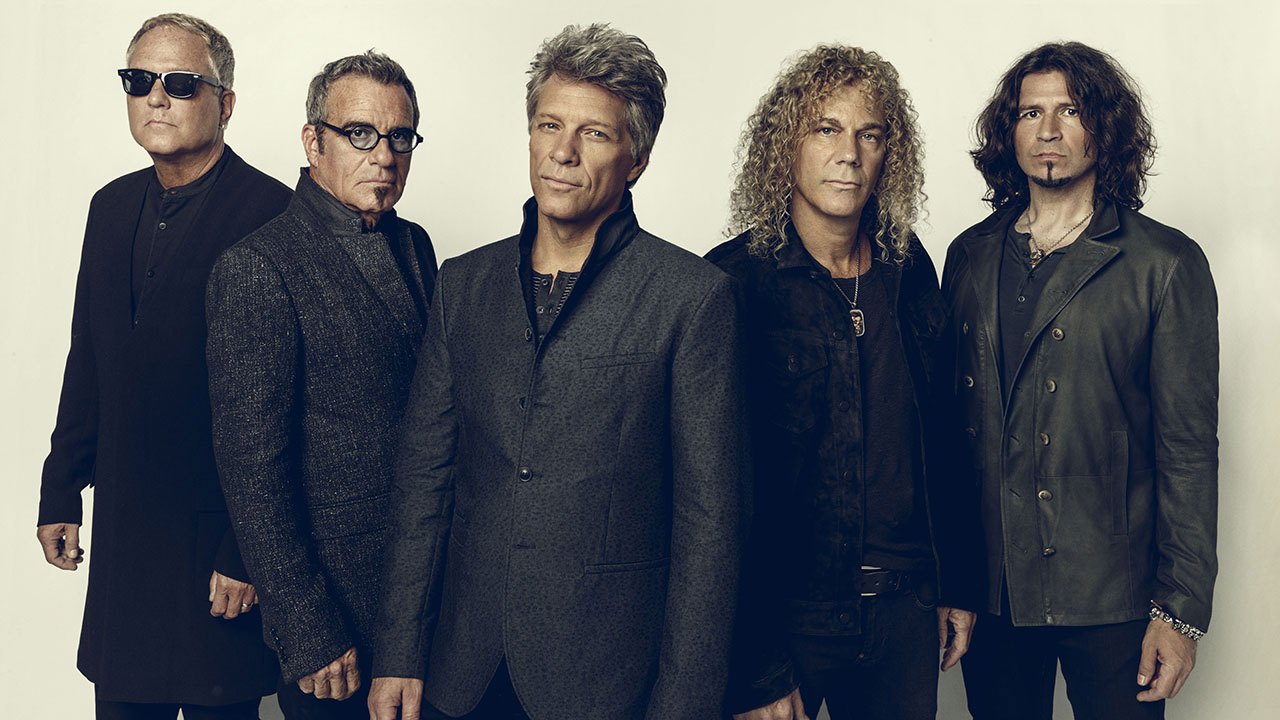
His arrival also coincided with another long-overdue change: Hugh McDonald, who had occupied the bass position in a full-time capacity since the departure of Alec John Such in the mid-1990s, was finally given the title of “official band member”.
This House Is Not For Sale was the first studio album to present this new configuration of the band.
And there are moments where it genuinely sounds refreshed.
Born Again Tomorrow has a monster chorus. Roller Coaster is shamelessly commercial but almost annoyingly difficult to remove from your head once it’s in there. New Year’s Day revisits Bon Jovi’s favourite subject — picking yourself up and starting again — but for once the sentiment feels attached to something tangible.
Even God Bless This Mess, despite sounding like a title generated by feeding forty years of Jon Bon Jovi lyrics into a computer, has enough personality to justify its place.
There’s a consistency here that What About Now simply didn’t have.
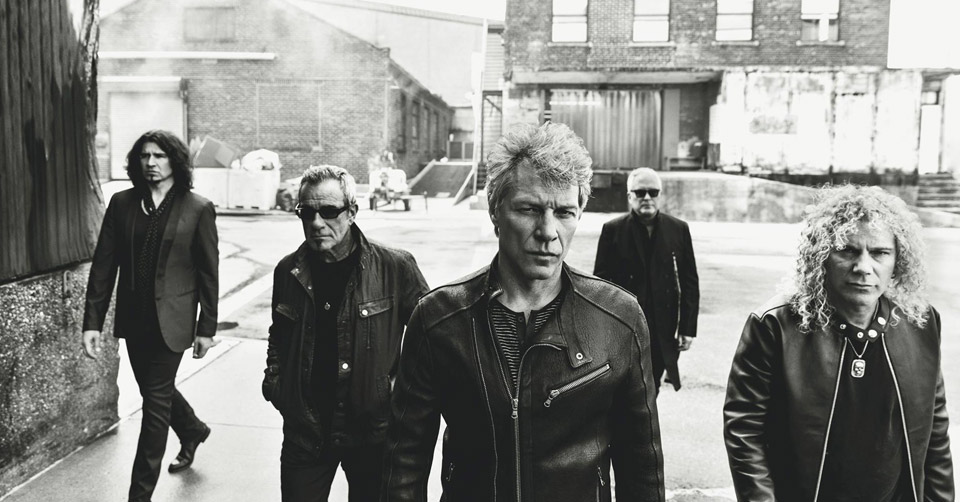
Look What They’ve Done To This House Of Love
The album is also much better when Jon allows himself to sound irritated.
The Devil’s In The Temple is a welcome blast of hostility buried in the second half of the tracklist, aiming squarely at the music-business machinery which Jon felt had turned against the band in recent years.
This is where the background story actually improves the song.
Without context, it’s a decent rocker.
With it, there’s venom behind the words.
That same anger powers much of the title track and gives this record something that their recent output has sorely lacked: a reason to exist.
Jon Bon Jovi has always been capable of writing songs about perseverance. By this point he could probably write one while waiting for a kettle to boil. But perseverance is considerably more convincing when the guy singing about it has just had his entire world ripped apart.
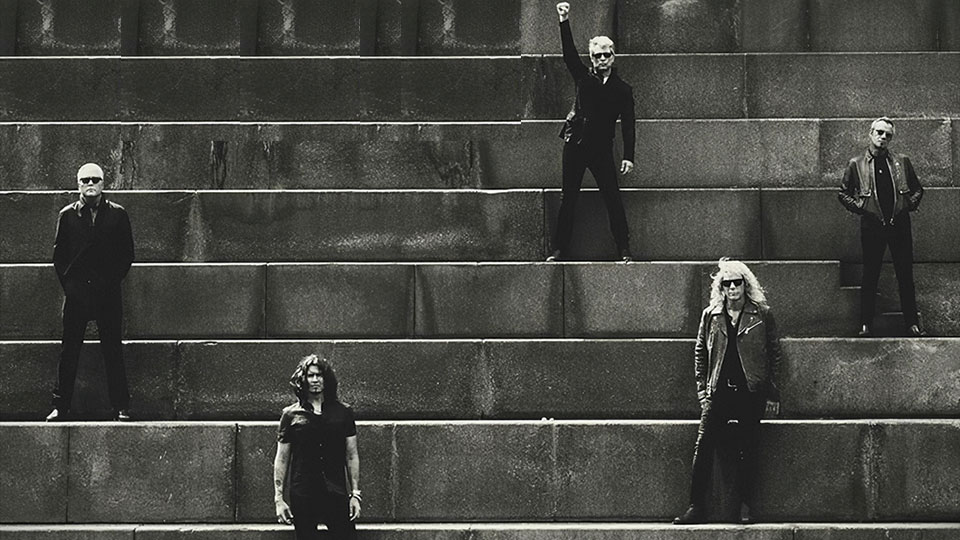
“I wrote Devil In the Temple and This House Is Not For Sale as a direct response to three years of bullshit. They told me I wouldn’t be able to continue, and they offered us far less money, but you know what? You can’t force me to throw in the towel. You can’t buy what we have. This house is not for sale, motherfucker.”
– Jon Bon Jovi
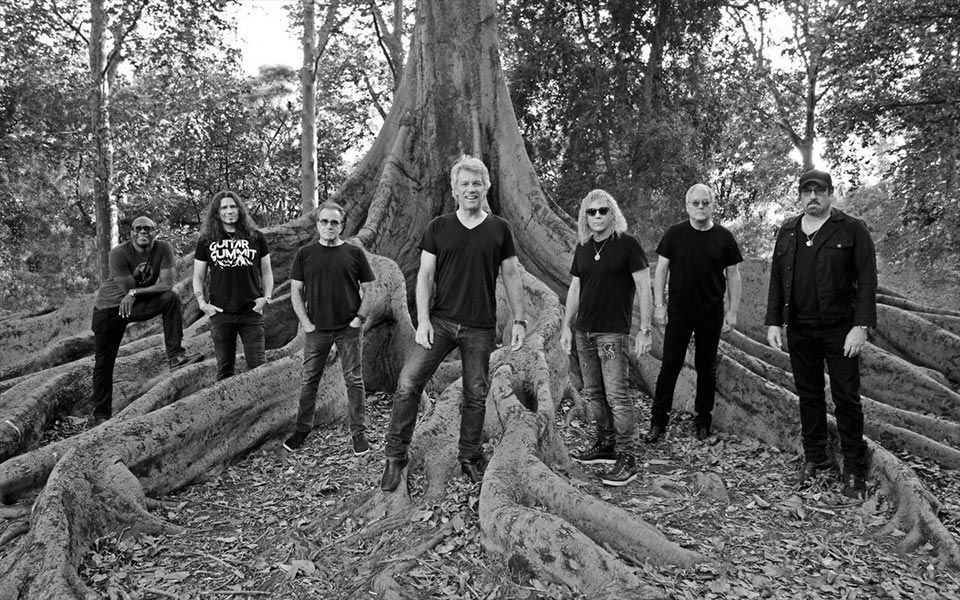
Scars On This Guitar
Thankfully, the record isn’t permanently standing on a table shouting about resilience.
Scars On This Guitar slows things down beautifully.
The concept threatens to drift into eye-rolling territory — Jon effectively writing a love song to the instrument that’s followed him throughout his career — but the performance saves it. There’s a warmth here that suits his increasingly weathered voice, and for once the immaculate production works in the song’s favour.
The standout, though, is Real Love.
Hidden away as bonus material on expanded editions, its remarkable restraint is what makes it work: no desperate attempt to turn every emotional moment into the closing ceremony of the Olympic Games, just a strong melody allowed to breathe.
Bon Jovi should do this more often.
"I set each stone and I hammered each nail, this house is not for sale."

This House Is Not For Sale
The John Shanks Problem
By this stage, John Shanks had become almost as important to the band’s modern sound as Jon himself.
That isn’t entirely a criticism.
Shanks knows exactly how to construct a contemporary Bon Jovi record; the vocals are enormous, the choruses explode at precisely the right moment, and everything is polished to within an inch of its life.
Unfortunately, everything is polished to within an inch of its life.
That becomes a problem on songs which should have some dirt underneath their fingernails.
Knockout is the obvious example — there’s a perfectly serviceable rock song buried in there somewhere, but it’s surrounded by so much sheen that it feels like a car advert, and the absence of heavy guitars leaves the track feeling unfinished.
The upbeat Born Again Tomorrow suffers less severely, but there’s still a nagging suspicion that Phil X and Tico Torres are capable of producing considerably more noise than we’re allowed to hear.
It is in these moments that it becomes clear Bon Jovi are once again evolving. Their famous wall of guitars has been demolished and replaced with a brighter, keyboard-centric stadium-pop sheen. It’s a somewhat unwelcome yet very deliberate move from John Shanks, as he sets out to show the world that huge riffs are no longer central to the band’s sound.
And it’s this clash of styles that creates the record’s strangest contradition — the new material is audibly brimming with life, yet the production seems determined to sedate it.
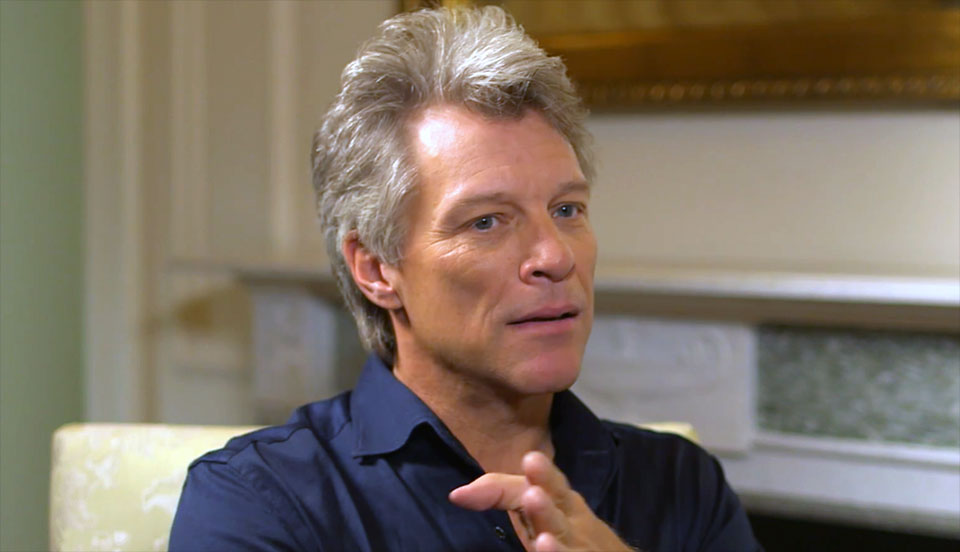
“Richie’s departure was tough to take, and I’m aware I’ve made a lot of mistakes. I know that for the last ten years John Shanks and I have basically controlled the band, and my friends didn’t feel as involved. That’s something I’m trying to correct now, by having Tico and David shape these new songs with me in the studio. I wish I’d done this sooner — and I apologise, because it has reminded me how great things used to be.”
– Jon Bon Jovi
Too Much Of A Good Thing
Then we reach a familiar Bon Jovi problem.
There are too many songs.
The standard edition contains twelve tracks, which isn’t unreasonable in itself. But the various expanded versions pushed the sessions considerably further, with Real Love, All Hail The King, We Don’t Run, I Will Drive You Home, Goodnight New York, Touch Of Grey and Color Me In appearing across different editions.
Not content there, they returned eighteen months later and attached another two new songs — When We Were Us and Walls — to a reissue.
The positive news is that this lays to rest any concerns that Jon Bon Jovi would be unable to write new material without Richie Sambora. The behind-the-scenes turbulence appears to have lit a creative fire under the veteran frontman, with an audible “treasure trove” of new songs to choose from.
However, it also means that there’s enough material to build several different versions of this album and, frustratingly, some of the tracks that were left outside the original twelve are far superior to those that made the cut.
The piano-led Real Love is their most effective ballad since 1994’s Always, and absolutely belongs on the record. Goodnight New York is another worthwhile cut. Elsewhere, an udated version of We Don’t Run provides a dollop of the harder edge the LP occasionally lacks.
There were opportunities to squeeze these stellar numbers into the final version of the album, but they were not taken. Cringe-fests like Reunion and Come On Up To Our House mean well, but without the Sambora-era crunch, the normally tolerable Bon Jovi sweetness turns into something harder to swallow. Meanwhile, the clunky Labor Of Love — a track that never justifies its lengthy runtime — is equally divisive.
Had they trimmed this fat and replaced it with the best of the bonus offerings, This House Is Not For Sale becomes an even stronger statement of intent.
Still Standing
Commercially, the album proved that rumours of Bon Jovi’s demise had been greatly exaggerated.
This House Is Not For Sale debuted at No.1 on the Billboard 200 and reached No.5 in the UK. It later produced one of the strangest chart statistics in the band’s history when it returned to the top of the Billboard chart in 2018 following a concert-ticket redemption promotion.
But none of that is why the album works.
It works because Bon Jovi sound interested again.
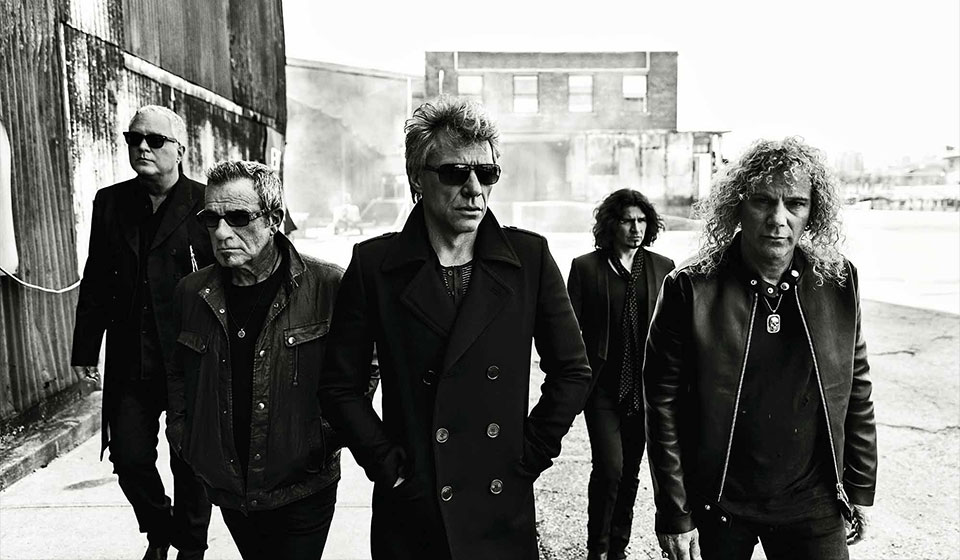
Bon Jovi: This House Is Not For Sale
There are only three guarantees in life:
Death, taxes, and Bon Jovi’s refusal to disappear quietly.
No, they haven’t rediscovered the scale of Keep The Faith or the bruised maturity of These Days.
But compared with the creative fatigue that surrounded What About Now, this record feels like a rebirth of sorts; a band powered by a new sense of purpose, propelled forward by a frontman hell-bent on proving he still has something worth saying.
Its overly polished production and modernised sound might invite accusations that Bon Jovi are no longer rock ’n’ roll in the traditional sense, but there’s an argument to be made that persistence in the face of overwhelming adversity is the most rock ‘n’ roll statement of all.
FINAL VERDICT:
Against all odds, This House Is Not For Sale finds Bon Jovi reinvigorated; trading heaviness for conviction and delivering one of their strongest and most purposeful records in years.
★ ★ ★ ★ ★ ★ ★ ★
8/11
Strong
See Our Reworked Tracklist
These Go To Eleven
Reworked Tracklist
This record already ranks amongst Bon Jovi’s strongest post-millenium work, but it hit even cleaner with a slightly tighter run.
Here’s how we recommend listening to Bon Jovi: This House Is Not For Sale (2016) for maximum impact:
- Walls (3:37) ^
- This House Is Not For Sale (3:36) ★
- Living With The Ghost (4:44) ★
- Scars On This Guitar (5:06)
- Knockout (3:29)
- Born Again Tomorrow (3:33)
- Real Love (4:34) ^ ★
- Rollercoaster (3:40)
- When We Were Us (3:34) ^
- New Year’s Day (4:27)
- The Devil’s In The Temple (3:19)
- God Bless This Mess (3:23)
- We Don’t Run (3:17) ^
- Goodnight New York (3:53) ^
★ Standout track
^ Featured on the deluxe edition
– Excluded tracks: Labor Of Love (5:03), Reunion (4:14), Come On Up To Our House (4:35), All Hail The King (4:54), I Will Drive You Home (4:42), Touch Of Grey (4:06), Color Me In (4:02)
STANDOUTS Living With The Ghost · Real Love · This House Is Not For Sale
MORE READING This House Is Not For Sale (2016) is part of our Bon Jovi review series.
Further reading
Continue the Bon Jovi story.
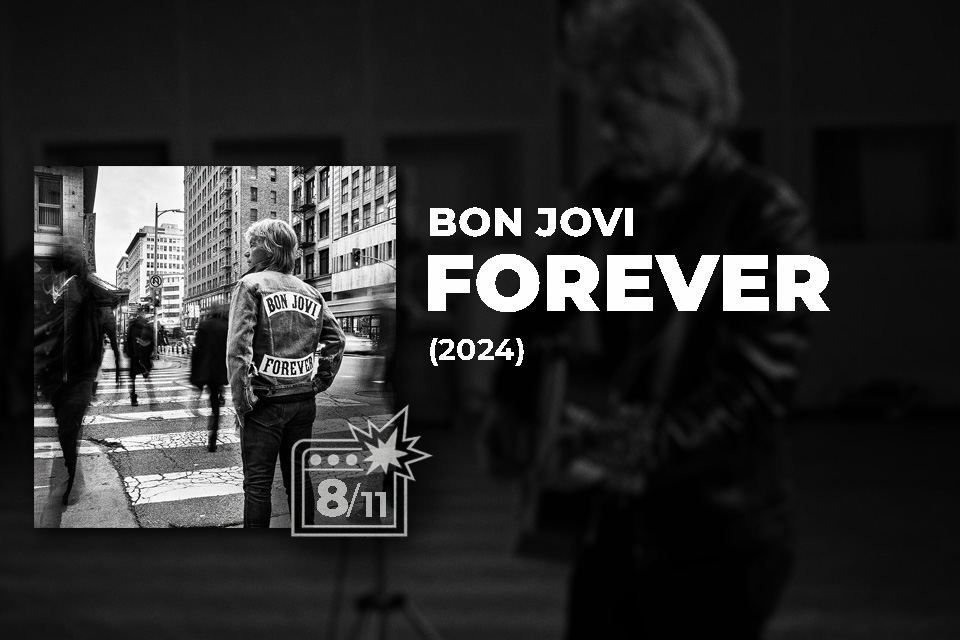
Bon Jovi’s Forever (2024) leans into reflection and self-reference, delivering strong late-career hooks and a surprisingly satisfying potential farewell.

Bon Jovi’s 2020 trades stadium hooks for social commentary and a stripped-back tone. Powerful themes, but the songs rarely match the story.
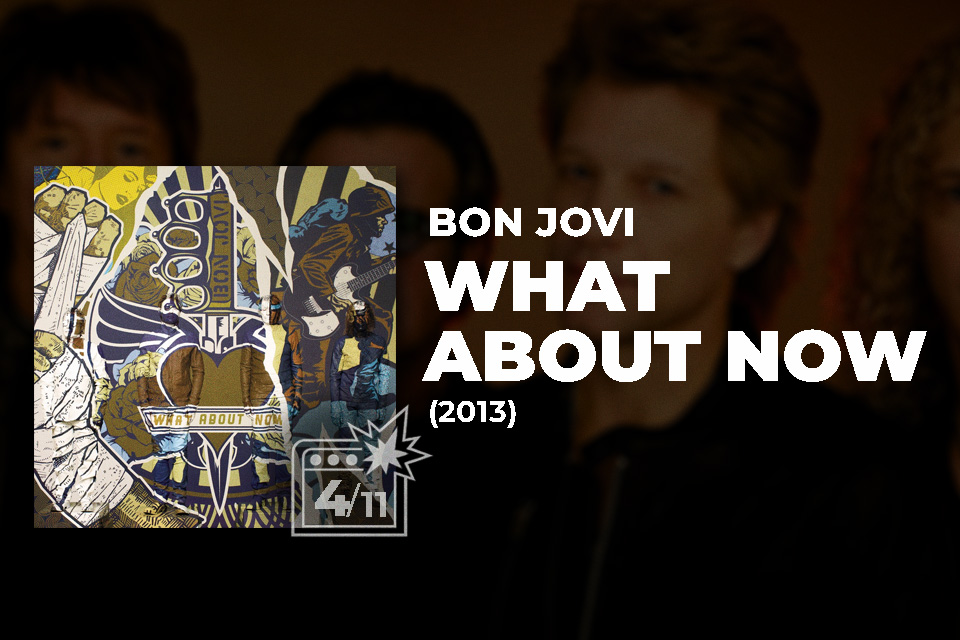
“What About Now?”, asks Jon Bon Jovi, as he painfully tweaks the band’s trademark sound in search of critical acclaim on their twelfth studio LP.
Explore the full Bon Jovi album guide
Few bands have navigated reinvention quite like Bon Jovi. From their mid-’80s breakthrough to the country detour of the 2000s and post-Sambora rebuild, their catalogue charts the evolution of arena rock across five decades.