
These Go To Eleven Says:
A post-Idol debut that sounds like a proper modern rock record — polished, heavy, and far more consistent than it has any right to be.
★ ★ ★ ★ ★ ★ ★ ★
STANDOUTS It’s Not Over · Crashed · Home
8/11
Strong
Album details & credits
- Title
- Daughtry
- Artist
- Daughtry
- Released
- November 21, 2006
- Label
- RCA Records
- Produced by
- Howard Benson
- Key personnel
- Chris Daughtry (vocals, guitar) · Phil X (lead and rhythm guitar) · Paul Bushnell (bass) · Howard Benson (keyboards) · Josh Freese (drums)
- Singles
- It’s Not Over · Home · What I Want · Over You · Crashed · Feels Like Tonight · What About Now
- Chart performance
- No. 1 on Billboard 200 Chart · No. 1 on Billboard Top Rock Albums Chart · No. 13 on UK Album Chart · No. 2 on UK Rock & Metal Album Chart
- Total sales
- 7,000,000
- Certification
- 6x platinum
- Score
- ★ ★ ★ ★ ★ ★ ★ ★
Daughtry – Daughtry (2006) Review
TV talent shows sell an interesting fame paradox.
The prize is a career in the public eye — but for most contestants, that spotlight begins to fade as soon as the credits roll.
Chris Daughtry is one of the rare exceptions to this rule.
Despite non-existant expectations, the former American Idol star has crafted a solid mid-2000s rock record — thick guitars, stacked choruses, and a voice that’s tailor-made for radio. It might not reinvent the era’s post-grunge template, but it executes it with unusually high discipline, and that’s precisely why this record still lands all these years later when a lot of its peers now feel like time capsules.
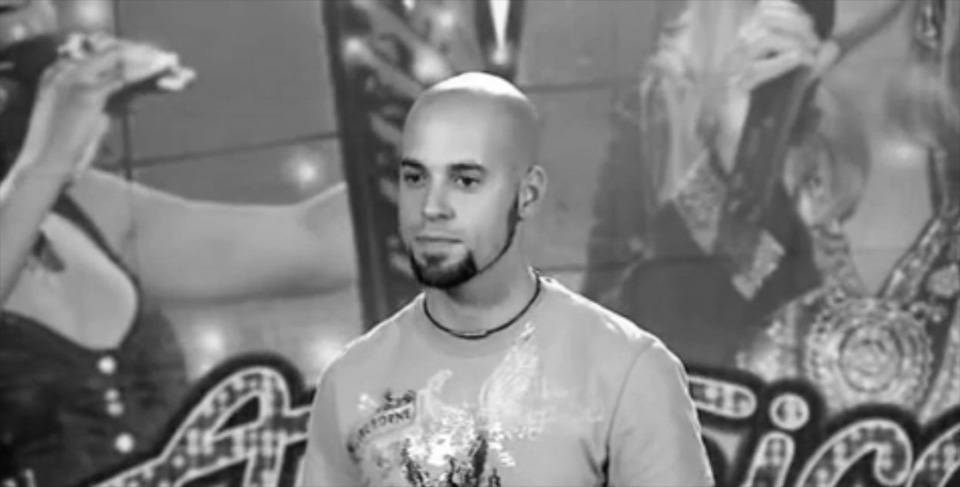
Not Over Yet
Few would have blamed the North Carolina frontman had he taken the safe route — e.g. a pop-leaning solo launch with a few polite singles.
However, it’s to his credit that he’s delivered an album far tougher than it had any right to be.
Lead single It’s Not Over sets the stall out.
It’s a gloriously moody, heavyweight affair that hits like it’s been mixed for US radio first and everything else second. The key to its success is that it doesn’t try to “prove” he belongs on the hard rock scene — having already shown his chops in front of the nation, it simply behaves like he already does.
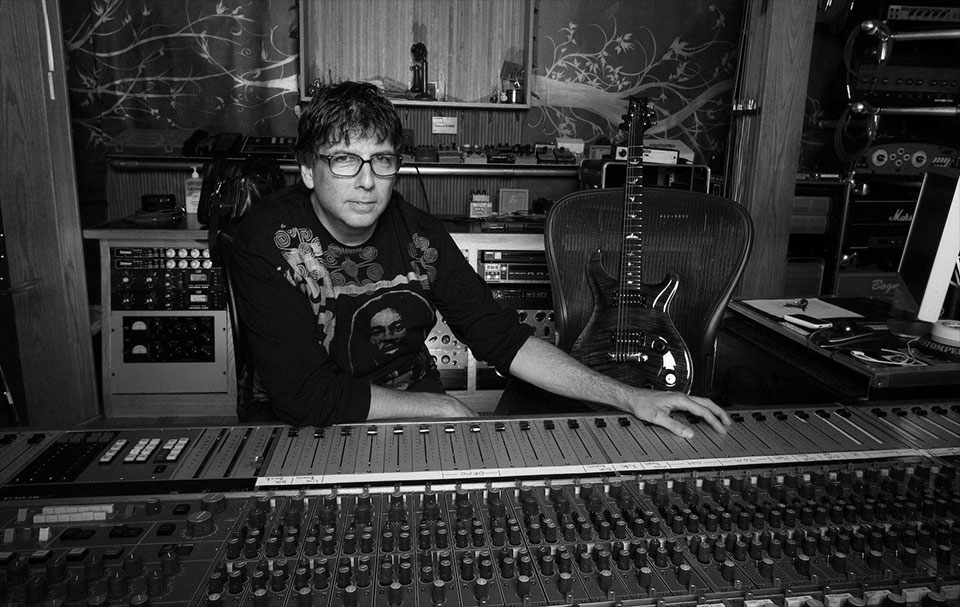
The Benson Treatment
A lot of the record’s identity comes down to one decision: putting Howard Benson in the chair.
This is mid-2000s mainstream rock done with maximum efficiency — compressed crunch, tight low end, choruses stacked to hit hard and hit clean. The production doesn’t chase subtlety. It chases impact.
That polish can be a drawback if you’re allergic to the era’s radio sheen, but it also explains why the record holds up: the songs are built to move, and the mixes are designed to produce as many hit singles as possible.
"Open up the book you beat me with again."
Breakdown
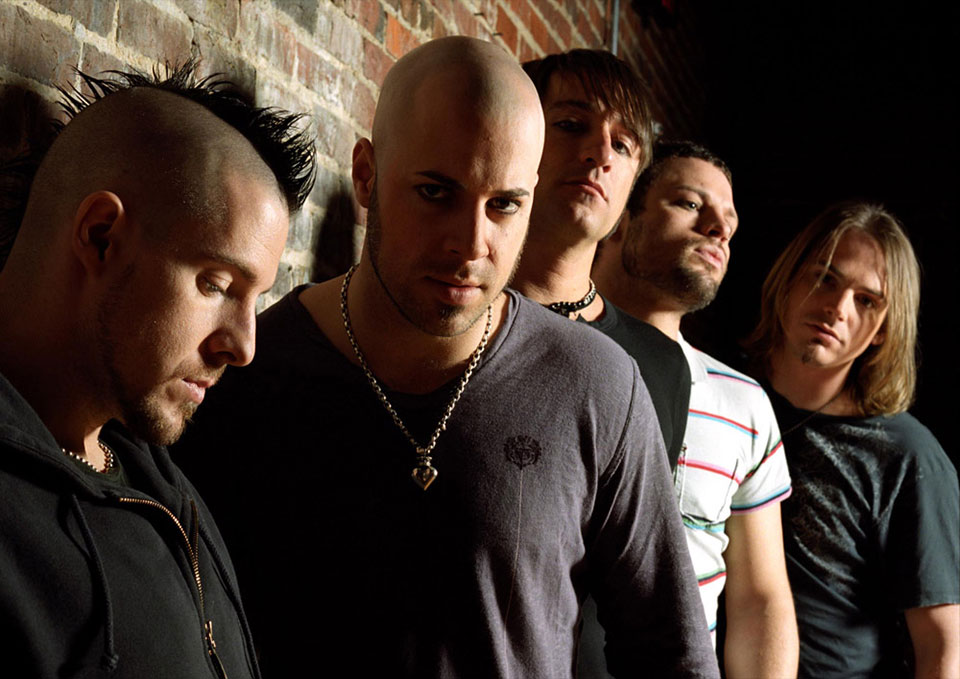
The Deep Cuts Don’t Flinch
The best surprise is that the singles aren’t dragging passengers.
Tracks like Crashed and Gone lean into the heavier template without feeling like recycled parts. Breakdown is a slow-burner that’s designed to do exactly what Daughtry does best: take bruised melodrama and make it feel functional, not self-pitying, by delivering a chorus capable of soundtracking even the baddest of bad days.
Then there’s What I Want, which lands as a genuine rock moment rather than a celebrity cameo — in part because the song is already doing the work before Slash turns up to decorate it.
“I grew up listening to Guns N’ Roses, Skid Row, and Soundgarden, so having Slash appear on one of my songs was a dream come true. I was in awe — in fact, I sat outside the studio like a little kid while he cut his solo because I was too nervous to speak to him (laughs).”
– Chris Daughtry
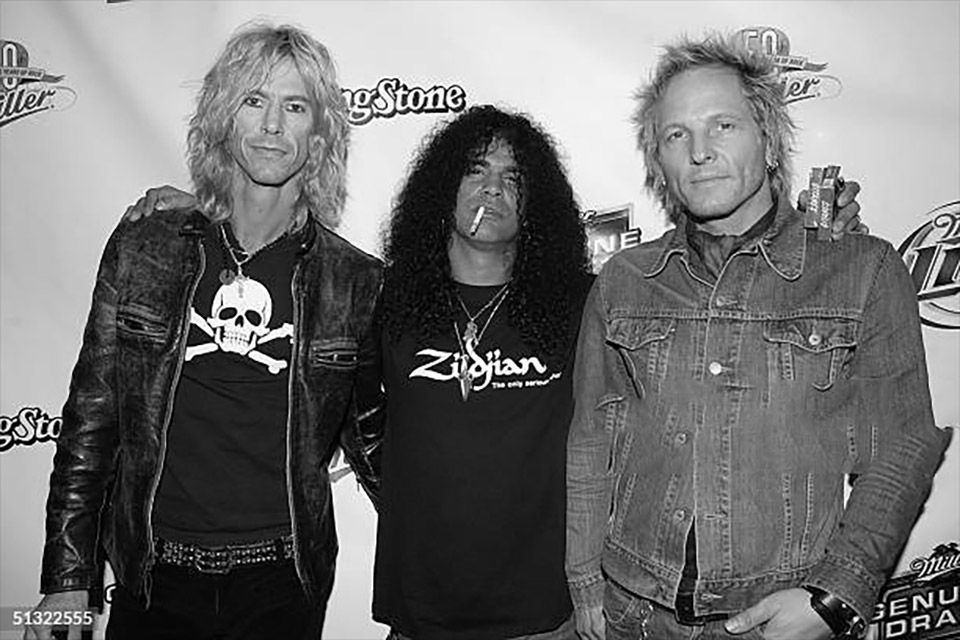
What Might Have Been
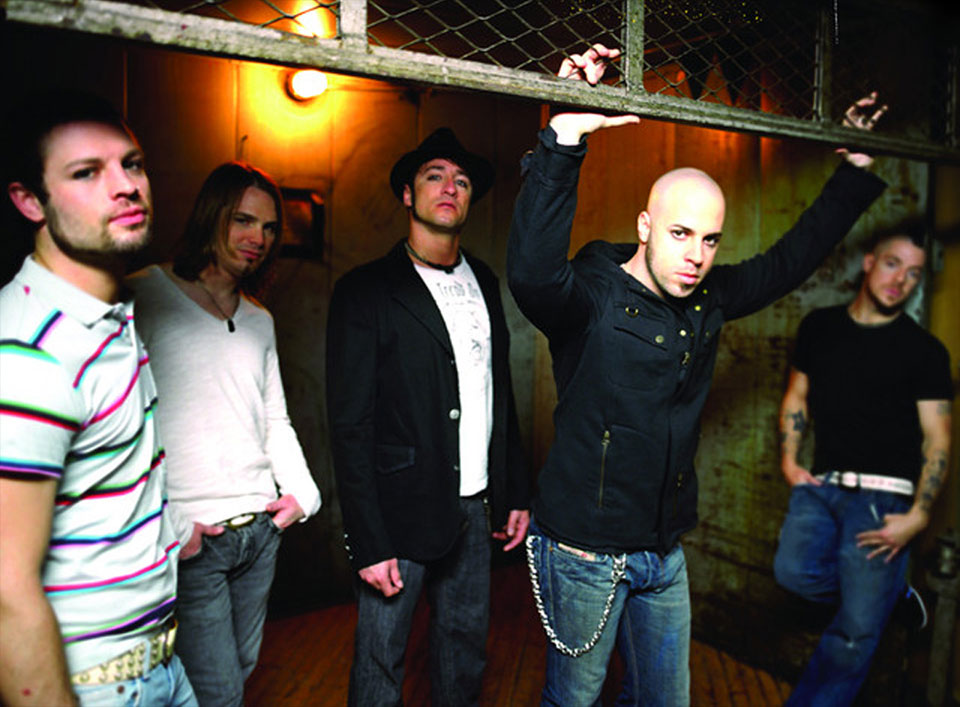
The topic of Slash presents us with an interesting conundrum.
In the weeks following his surprise guest appearance, the top-hatted virtuoso spoke at length about how impressed he was with Daughtry’s powerful singing style on the new track.
Indeed, we’re left to wonder what might have been had the frontman managed to break through just a couple of years earlier, when the ex-Gunners unit (Slash, bass guitarist Duff McKagan, and drummer Matt Sorum) were conducting a nationwide search for a vocalist, eventually handing Stone Temple Pilots leader Scott Weiland the mic for the short-lived but much-loved Velvet Revolver project.
Ballads With a Job to Do
Yes, the record makes room for the softer side — it would have been commercial malpractice not to — but the better ballads don’t feel like a label memo.
Home is the obvious crossover centrepiece: simple, direct, and built around a vocal that sells sincerity without trying too hard.
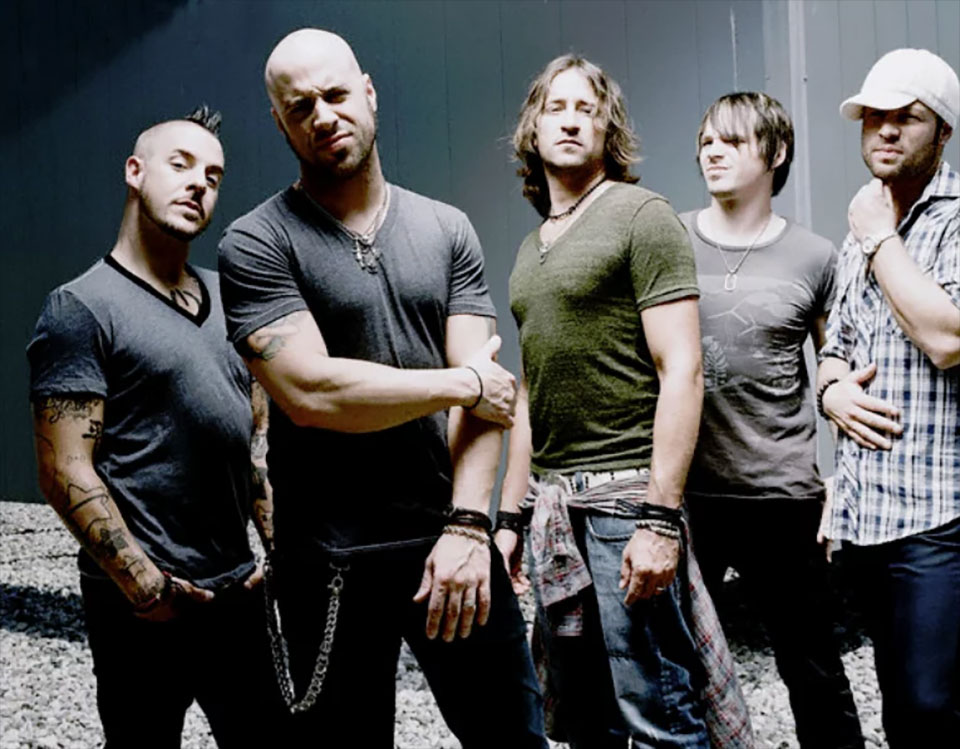
Elsewhere, Over You and What About Now do a similar job, broadening Daughtry’s palette to appeal to a mass audience while never taking the album’s main focus away from the singer-songwriter’s uncanny ability to pen Bon Jovi-esque radio-friendly rock choruses.
"You took a hammer to these walls, dragged the memories down the hall."
Over You
Start Of Something Good
Extra credit must be given to Chris Daughtry for sticking to his guns.
Shortly after his surprise exit from American Idol, he was offered the opportunity to become the new frontman of post-grunge outfit Fuel — a band he counts among his biggest influences.
Surprisingly, he turned it down, and signed a solo deal with RCA Records instead.
With the record company’s long-standing connections to American Idol behind him, Daughtry was surrounded by top-tier session players inside the studio — including future Bon Jovi guitarist Phil X and omnipresent drummer Josh Freese — to ensure that his debut was built quickly and professionally.
The interesting twist is what happened next, though.
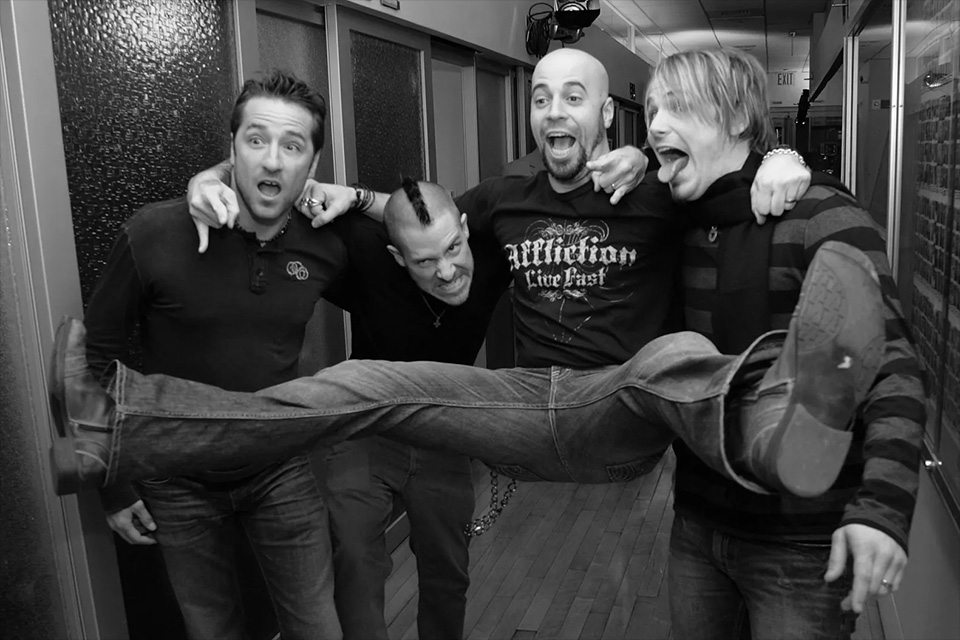
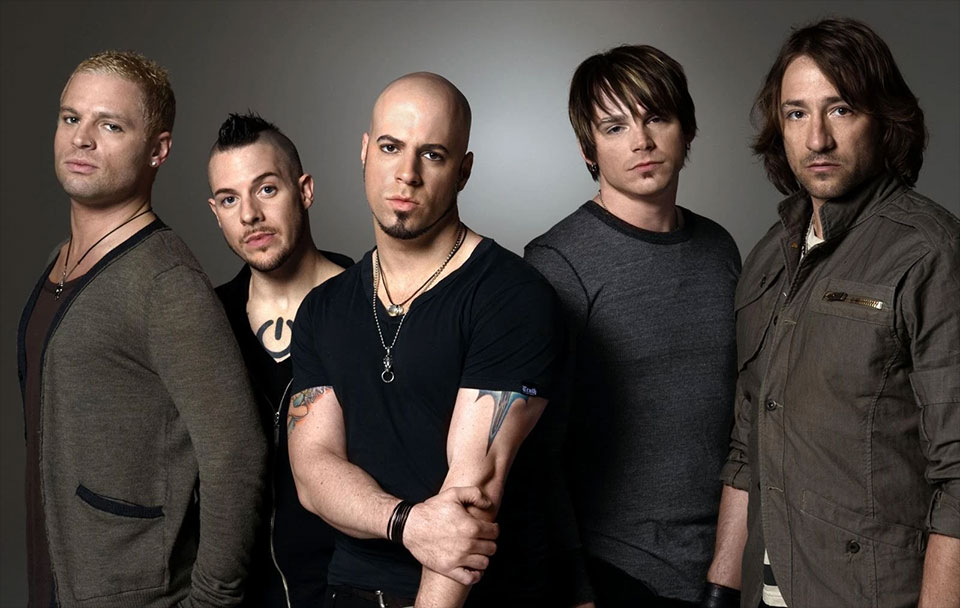
Because despite the album’s “solo project” origins, Daughtry later persuaded RCA to let him formalise a proper band for the road. This five-piece unit — imaginatively titled DAUGHTRY (yes, all caps) — took the album on tour, and the project then shifted into a true collective model for future releases.
“One critic tried to insult us with a snarky comment about being “as annoying as Nickelback.” I couldn’t help but laugh. They’ve sold five million records so far, so they’re clearly doing something right. Give us that kind of reach, please!”
– Chris Daughtry
A Debut That Outran Its Origins
Daughtry was one of the best-selling albums of 2007 in the US, and still ranks as the fastest-selling debut rock album in Nielsen SoundScan history.
But the more interesting point is why it happened.
You see, the record didn’t win because it was “the American Idol guy’s album”, but because it delivered precisely what mid-2000s rock radio wanted — big choruses, thick production, and a gritty vocal style that was built for driving on the open road with the top down.
Further proof was delivered by the fact that it spawned a whopping seven singles, and two of those — It’s Not Over and Home — catapulted the band into the coveted top five of the Billboard Hot 100.
Daughtry – Daughtry (2006)
Daughtry’s self-titled debut isn’t reinventing the wheel.
Instead, it builds the most efficient, radio-proof version of it — thick guitars, big choruses, zero hesitation — and drives it straight through the wall.
The singles land, the deep cuts hold their own, and the ballads do their job without drowning the record in syrup. Most importantly, it’s held up over time: not because it’s fashionable, but because the craft is solid and the hooks are built to last.
For a debut forged in the aftermath of a TV talent show, that’s a minor miracle.
FINAL VERDICT:
A post-Idol debut that sounds like a proper modern rock record — polished, heavy, and far more consistent than it has any right to be.
★ ★ ★ ★ ★ ★ ★ ★
8/11
Strong
See Our Reworked Tracklist
These Go To Eleven
Reworked Tracklist
This reworked tracklist is about flow, not revisionism: front-loading the biggest rockers, spacing the ballads so they land as breathers rather than momentum killers, and keeping the album’s best choruses in a run that feels relentless.
Here’s how you should listen to Daughtry: Daughtry (2006) for maximum impact:
- It’s Not Over (3:35) ★
- What I Want (feat. Slash) (2:48)
- Used To (3:32)
- Crashed (3:30) ★
- There And Back Again (3:15)
- Home (4:15) ★
- Over You (3:24)
- Feels Like Tonight (3:58)
- Breakdown (4:01)
- Gone (3:21)
- All These Lives (3:23)
- Sorry (3:40)
- What About Now (4:10)
★ Standout track
STANDOUTS It’s Not Over · Crashed · Home
MORE READING Daughtry (2006) is part of our Daughtry review series.
Further reading
Continue the Daughtry story.
The inside story of why Chris Daughtry started Dogtree Records — from clashes with RCA over a pop pivot to the artistic freedom of Dearly Beloved.
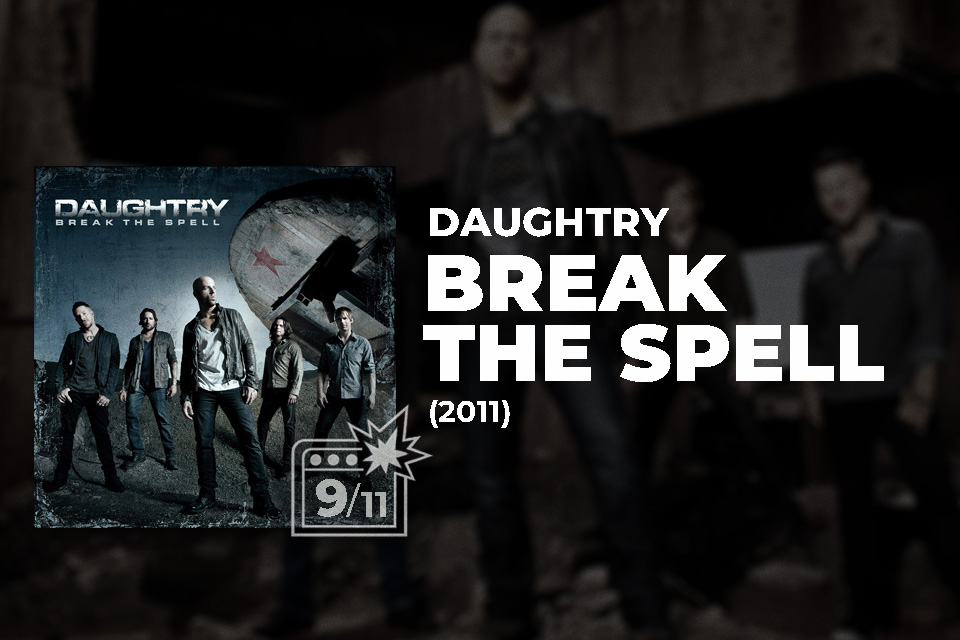
Break the Spell (2011) finds Daughtry at peak form: glossier rock, huge choruses, strong singles, and an emotional high point in Gone Too Soon.

Leave This Town (2009) doubles down on Daughtry’s radio-rock formula: huge choruses and strong singles, but too much mid-tempo ballast dulls the impact.
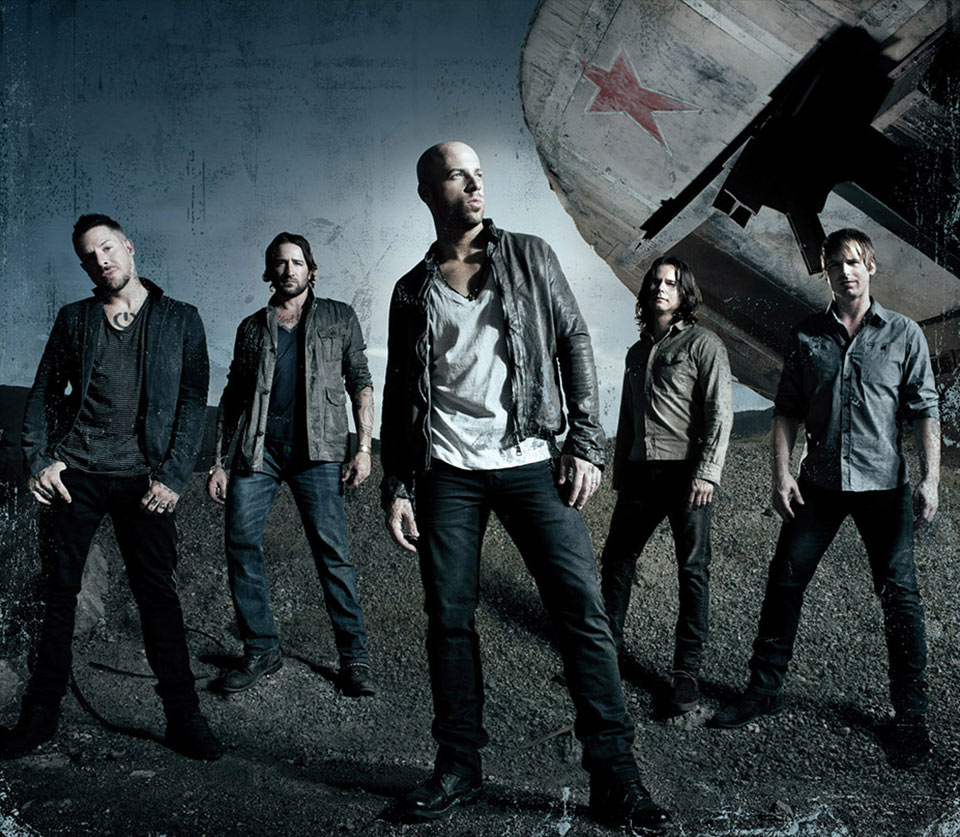
Explore the full Daughtry album guide
From their storming debut, to an ill-advised pop detour, and a bitter split from RCA that resulted in a blistering rock reset, follow the full album-by-album story.