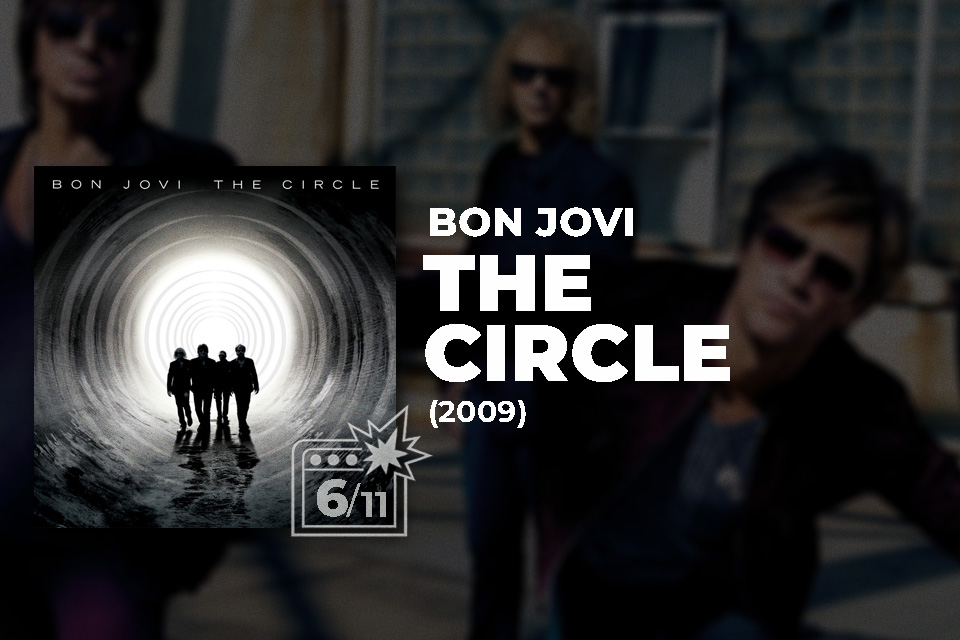
These Go To Eleven Says:
A welcome return to rock undermined by overproduction and a surprising lack of hooks.
★ ★ ★ ★ ★ ★ ★
STANDOUTS Thorn In My Side · Work For The Working Man · When We Were Beautiful
6/11
Flawed
Album details & credits
- Title
- The Circle
- Artist
- Bon Jovi
- Released
- Novemner 10, 2009
- Label
- Mercury Records
- Produced by
- John Shanks
- Key personnel
- Jon Bon Jovi (vocals, guitar) · Richie Sambora (guitar, backing vocals) · Hugh McDonald (bass) · David Bryan (keyboards) · Tico Torres (drums)
- Singles
- We Weren’t Born To Follow · Superman Tonight · When We Were Beautiful
- Chart performance
- No. 1 on Billboard 200 Chart · No. 1 on Billboard Rock Chart · No. 2 on UK Album Chart
- Total sales
- 900,000
- Certification
- Gold
- Score
- ★ ★ ★ ★ ★ ★
Bon Jovi – The Circle (2009) Review
“You can’t catch a fish if you ain’t got the hook.”
This line from 1988’s New Jersey neatly sums up the problem facing Bon Jovi’s latest release.
Because while long-time fans may be pleased — and more than a little surprised — that the band have decided to abandon their successful country detour after just one album in favour of a return to arena rock, the unforunate reality is that eleventh studio effort The Circle lacks both the guitar hooks and towering choruses that once made them untouchable.
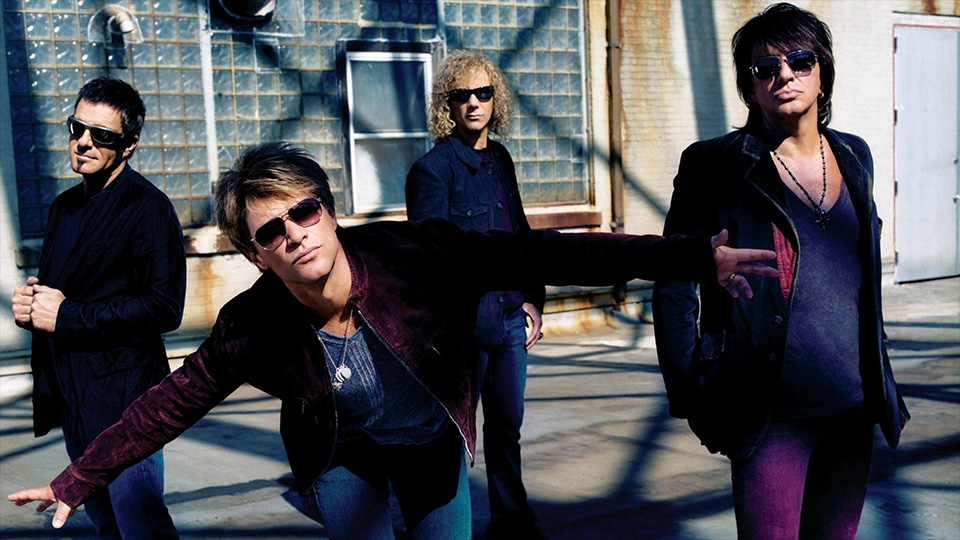
Leaving The Country
Bon Jovi’s recent output has been heavily indebted to Nashville.
The unexpected chart success of their Grammy-nominated single Who Says You Can’t Go Home prompted the New Jersey veterans to double down on their country roots for the experimental Lost Highway. The reception was so overwhelmingly positive that, for a moment, a permanent genre shift seemed entirely possible.
Yet, as the nu-metal wave crested and receded, rock purists began longing once again for the skyscraper riffs and soaring, arena-ready choruses that defined the turn of the ’90s.
Bon Jovi sensed this vacuum, and knowing that few bands were better equipped to satisfy the hunger, they decided to pack away their acoustic guitars and dust off their over-sized amplifiers, staging a full-throated return to their stadium-rock foundations.
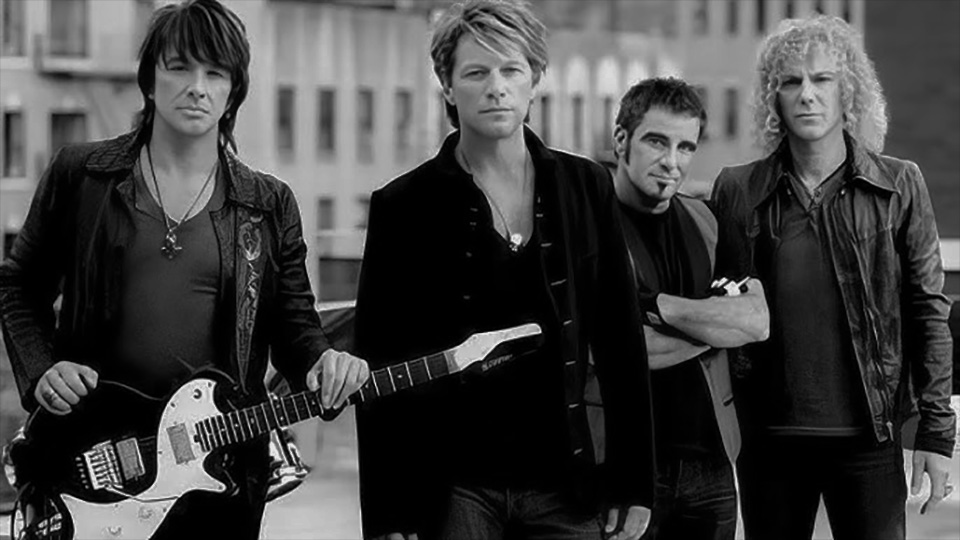
“Work For The Working man was inspired by the closure of a DHL factory in Ohio. I happened to catch it on the news, and was torn apart by the worried looks on those workers’ faces as they handed in their ID badges and shut the gates. The only way I could give this song enough weight to capture the anger and heartbreak I felt for them was by taking us back to rock music.”
– Jon Bon Jovi
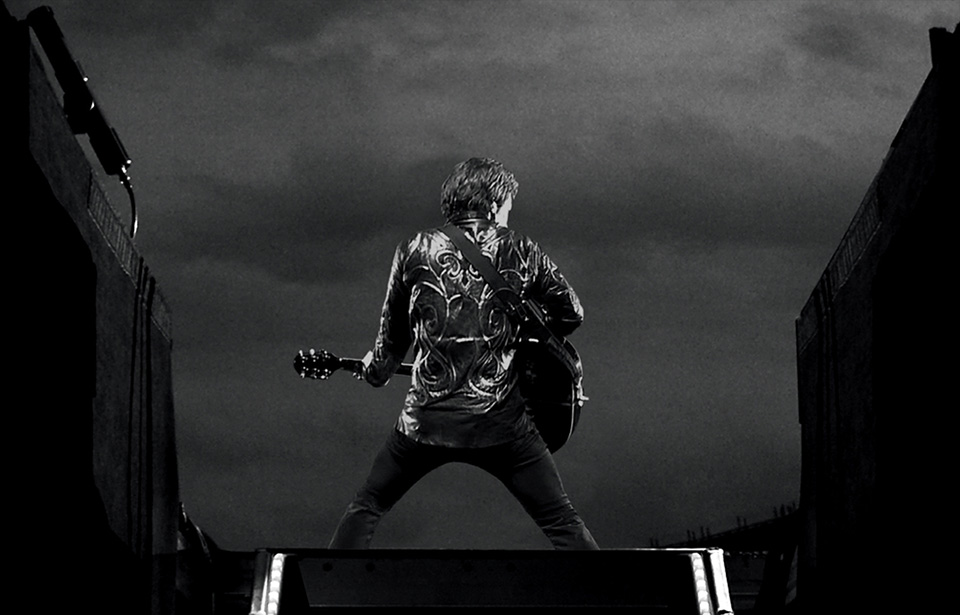
Raise Your Hands
True to their word, Bon Jovi bring the noise.
Richie Sambora’s crunching power chords take centre stage with an urgency that’s been missing for years, turning Brokenpromiseland and Bullet into masterclasses in anthemic rock songwriting
But the album’s crown jewel is Thorn In My Side. This mid-tempo rocker distills the exact blue-collar defiance that helped to define the band’s heyday — and while the musical blueprint openly nods to nostalgic highlights like In These Arms, it avoids becoming a cheap carbon copy by injecting a sharp dose of cynicism very much reflective of where Bon Jovi find themselves circa 2009.
"Take a look in these tired eyes, they're coming back to life."

Happy Now

The People’s House
One of the album’s quieter talking points surrounds the band’s long-craved political recognition.
The lyrics to Work For The Working Man were famously hung in the Oval Office by President Barack Obama’s chief adviser, David Axelrod, as a daily reminder to staff of their duty to the American public.
Channelling the blue-collar grit of Bruce Springsteen, the hard-hitting track shines a light on the plight of working-class citizens in the wake of the 2008 financial crash. Cynics might argue there is a distinct irony in hearing a group of forty-something millionaires lamenting hardships they have long since outgrown, yet Bon Jovi have always been a band for the people — and we must not forget that these “cowboys” earned their stadium-filling status through the exact same elbow grease and work ethic they celebrate here.
Ultimately, that grit ensures the sentiment feels entirely earned, rather than performative.
"I'm the only one that's gotta look my family in the eye."

Work For The Working Man

It’s Been A While, Do You Remember Me?
Energetic lead single We Weren’t Born To Follow is perhaps the most bizarre aspect of The Circle.
On one hand, it delivers precisely the kind of polished, inspirational arena-rock we have come to expect from 2000s-era Bon Jovi. On the other, fans were quick to spot an uncanny resemblance to their 1988 hit Born To Be My Baby, begging the ultimate question: is it even possible to plagiarise yourself?
Listening to the two tracks side by side, the similarities are impossible to ignore, and the band’s decision to never publicly address the comparison leaves a ghostly shadow hanging over the record. This is a shame, because the track arguably surpasses its obvious source material, bolstered by sharp lyrical hooks and a rollicking guitar solo from Richie Sambora.
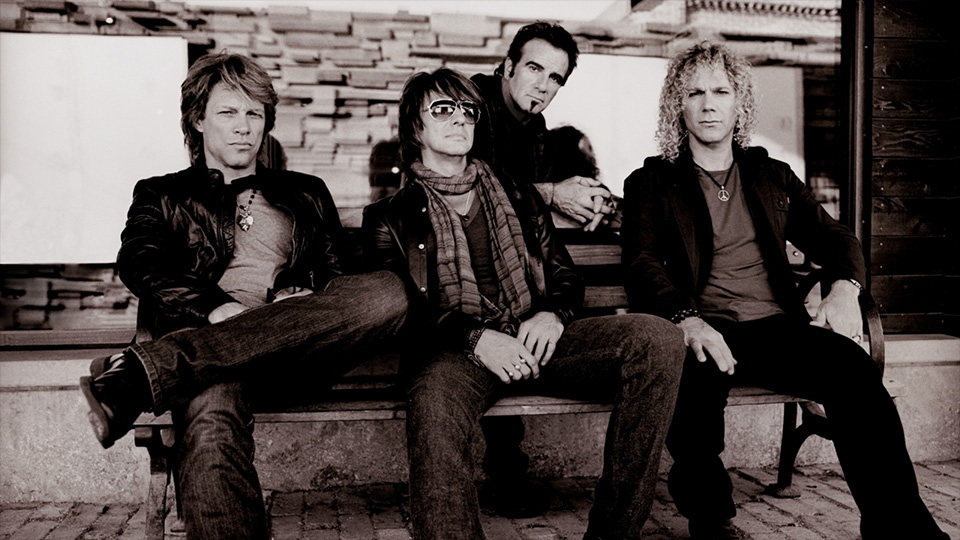
“The guitar solo on We Weren’t Born To Follow was originally very slow, but when it aired on radio our fans got in touch to say they wanted a rippin’ solo instead. I went back into the studio that same day and cut a new one for the final version. It’s a monster!”
– Richie Sambora
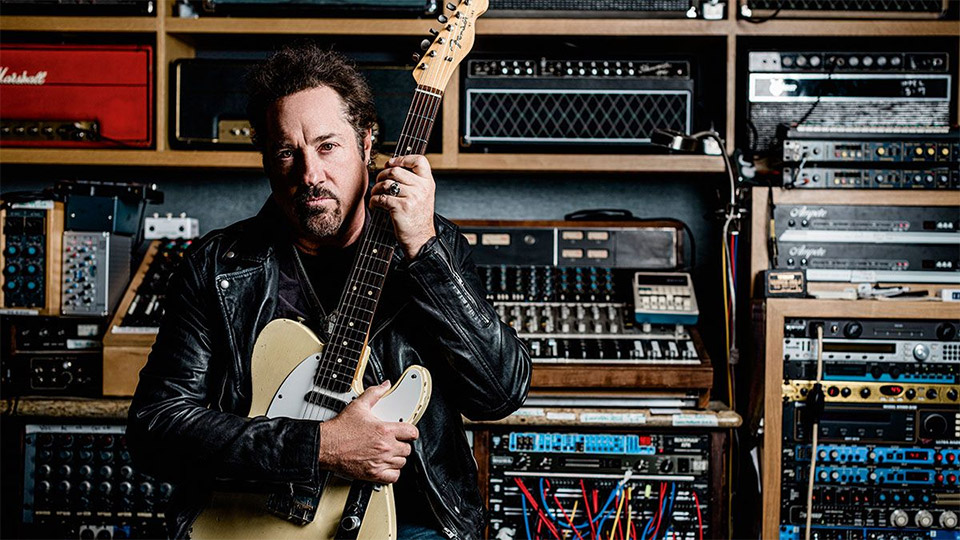
Circle Of Trust
By this point, producer John Shanks had effectively become the band’s unofficial sixth member.
This third consecutive collaboration makes him the most utilised producer in Bon Jovi’s history. Yet, while he successfully guided the veteran rockers into Nashville territory on Have A Nice Day and Lost Highway, the partnership strains under a heavy rock setting.
For the first time, his presence feels suffocating. What was once a tasteful layer of studio sheen has hardened into a thick, artificial gloss, with Shanks seemingly determined to leave his fingerprints in every corner of the record.
It is a frustrating misstep for The Circle, especially since one of the band’s greatest historic strengths — particularly throughout the ’90s — was their raw, blue-collar roughness. Here, excessive tinkering sands the bite out of the heavier tracks and strips the ballads of their emotional weight, leaving their original intent entirely smoothed out in the mix.
A Self-Made Problem
One of The Circle’s biggest frustrations is that it sees the band repeat a historical blunder.
Back in 1995, their sixth studio album, These Days, suffered from severe top-heaviness because they chose to allocate two crucial tracks (Always and Someday I’ll Be Saturday Night) to the previous year’s Cross Road compilation.
Fast-forward to 2009, and Bon Jovi have made the exact same error. This time around, hefty rockers No Apologies and This Is Love, This Is Life, the bouncy The More Things Change, and the superior ballad What Do You Got? were held back in the wings for their upcoming second Greatest Hits package. Meanwhile, sports anthem Our House was completely wasted on an ESPN promo deal.
As our reworked tracklist demonstrates below, injecting these withheld songs into the album’s sluggish second half would have provided some vital, much-needed firepower.
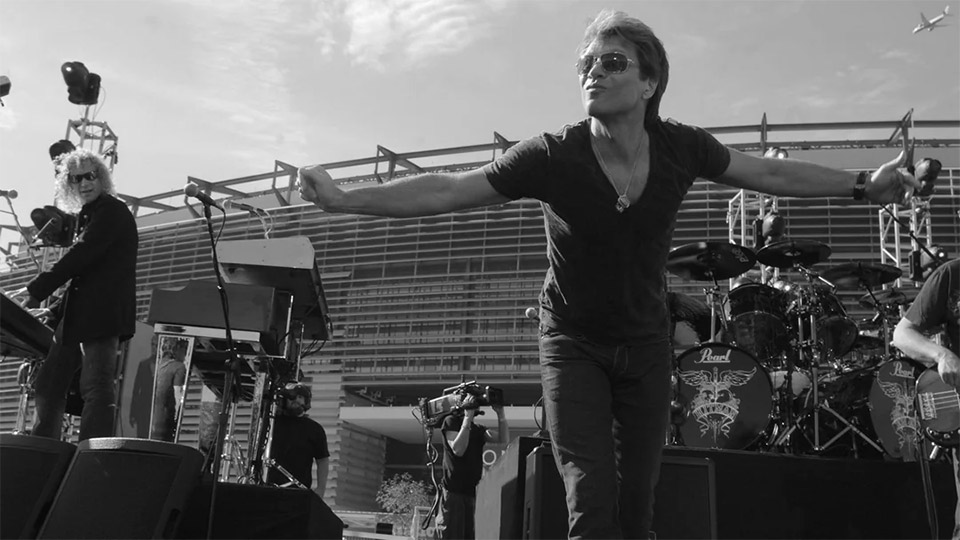
Struggling To Breathe
Beyond the prominent standouts, The Circle’s finest moments arrive in the brief intervals where the music manages to escape the grip of Shanks’ overindulgent production.
There is just enough light in these flashes — the stylish verse arrangements of Happy Now, the narrative depth of Fast Cars, and the astonishingly strong bridge of Work For The Working Man — to suggest there is plenty of life in these old dogs yet.
However, if Bon Jovi want their material to truly land again, their next outing must place far more faith in the raw grit that made them great in the first place.

Bon Jovi — The Circle
Where Bon Jovi go from here is anybody’s guess.
They have made a living out of defying the odds; few expected them to survive grunge, let alone re-establish themselves at the top of the rock food chain in 2000, and fewer still predicted a successful late-career detour into country.
And this is what ultimately makes The Circle such a frustrating listen — an album that, on paper, should’ve been an easier “slam dunk” than all of the above for a band who have mastered this kind of material.
FINAL VERDICT:
A welcome return to rock undermined by overproduction and a surprising lack of hooks.
★ ★ ★ ★ ★ ★
6/11
Flawed
See Our Reworked Tracklist
These Go To Eleven
Reworked Tracklist
This record offers several flashes of the hard rock comeback Bon Jovi promised, but its pacing often softens the impact. Our reworked tracklist fixes that, and ignites the latter half by reintroducing a few tracks that should’ve made the original cut. Had this version been released, our score would have been upgraded from 6/11 to 8/11.
Here’s how we recommend listening to Bon Jovi: The Circle (2009) for maximum impact:
- Work For The Working Man (4:04) ★
- Thorn In My Side (4:05) ★
- Brokenpromiseland (4:57)
- No Apologies (3:44) ^
- Love’s The Only Rule (4:38)
- When We Were Beautiful (5:18) ★
- Happy Now (4:21)
- What Do You Got? (3:47) ^
- We Weren’t Born To Follow (4:03)
- This Is Our House (4:22) ^
- Superman Tonight (5:12)
- This Is Love, This Is Life (3:25) ^
- Bullet (3:50)
- The More Things Change (3:53) ^
- Fast Cars (3:16)
★ Standout track
^ Featured on Greatest Hits (2010)
– Excluded tracks: Live Before You Die (4:17), Learn To Love (4:39)
STANDOUTS Thorn In My Side · Work For The Working Man · When We Were Beautiful
MORE READING The Circle (2009) is part of our Bon Jovi review series.
Further reading
Continue the Bon Jovi story.
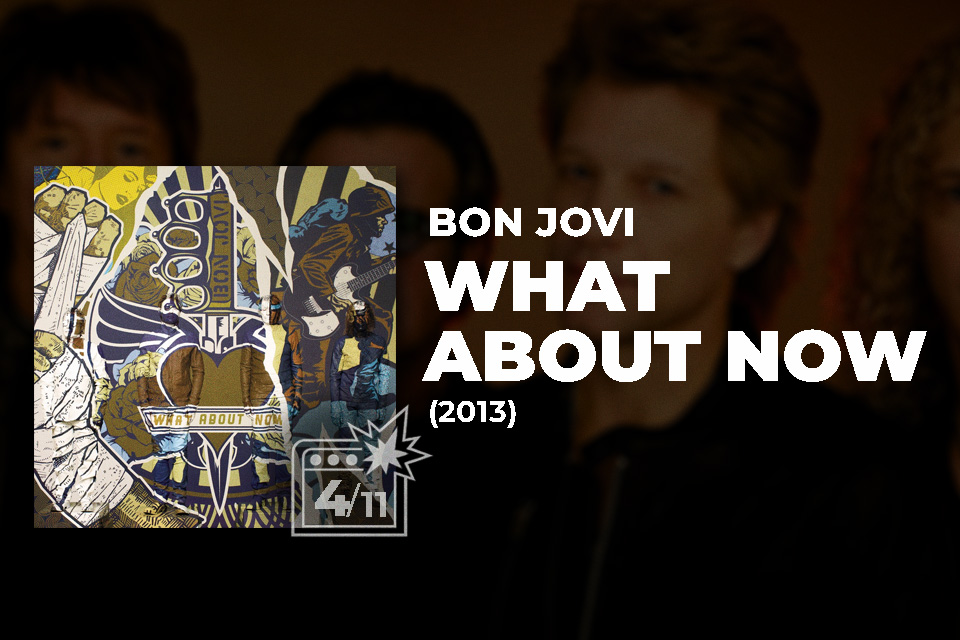
“What About Now?”, asks Jon Bon Jovi, as he painfully tweaks the band’s trademark sound in search of critical acclaim on their twelfth studio LP.
Bon Jovi’s successful transition from rock to country sounds exactly like you expect it would.
Bon Jovi’s best work in over a decade.
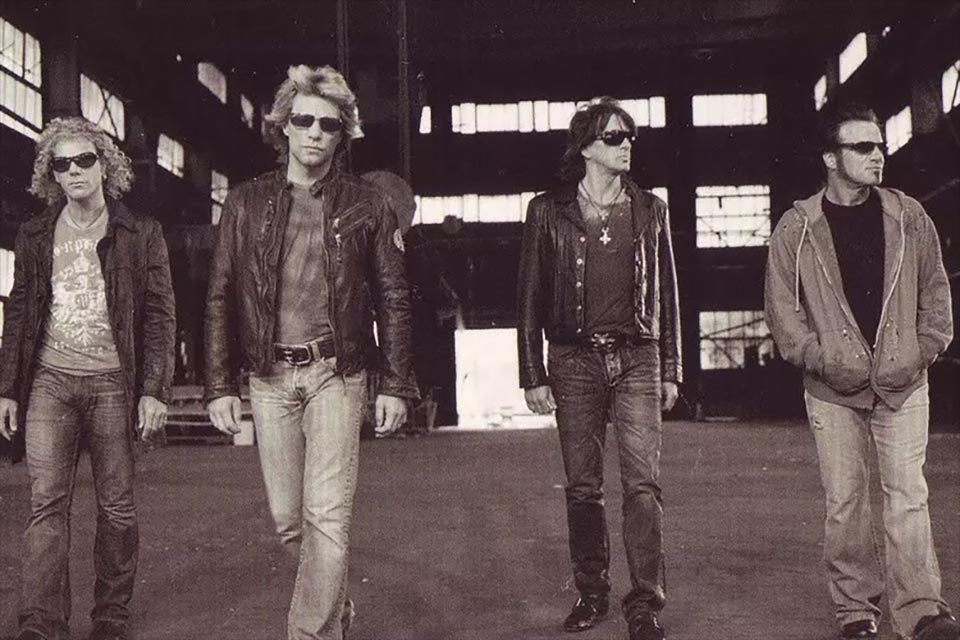
Explore the full Bon Jovi album guide
Few bands have navigated reinvention quite like Bon Jovi. From their mid-’80s breakthrough to the country detour of the 2000s and post-Sambora rebuild, their catalogue charts the evolution of arena rock across five decades.