These Go To Eleven Says:
The fact that the album’s troubled backstory is more interesting than the music should tell you all you need to know.
★ ★ ★ ★
STANDOUTS That’s What The Water Made Me · Beautiful World · With These Two Hands
4/11
Weak
Album details & credits
- Title
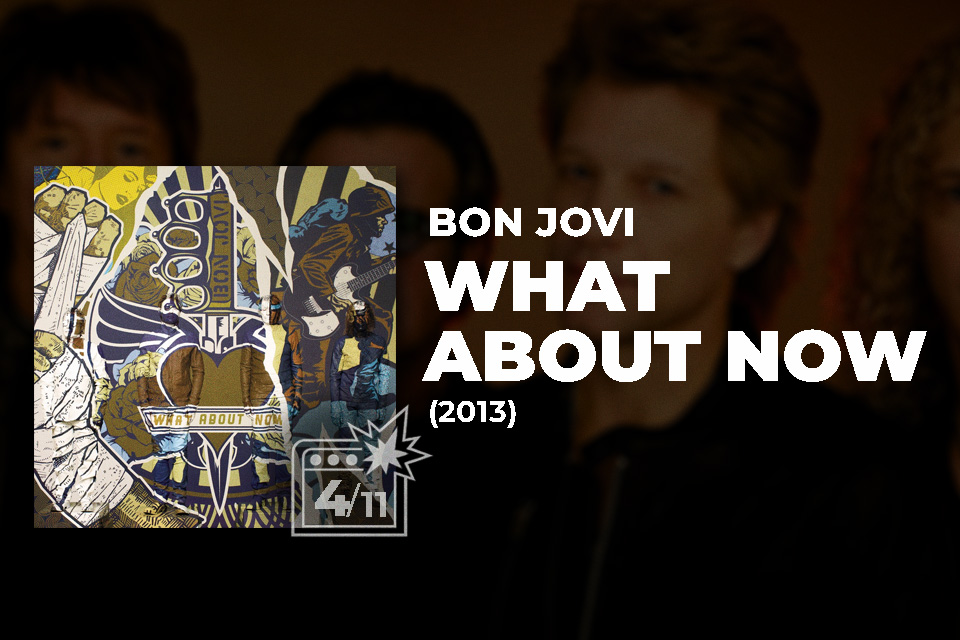
- What About Now
- Artist
- Bon Jovi
- Released
- March 8, 2013
- Label
- Mercury Records
- Produced by
- John Shanks
- Key personnel
- Jon Bon Jovi (vocals, guitar) · Richie Sambora (guitar, backing vocals) · John Shanks (guitar) · Hugh McDonald (bass) · David Bryan (keyboards) · Tico Torres (drums)
- Singles
- Because We Can · What About Now
- Chart performance
- No. 1 on Billboard 200 Chart · No. 1 on Billboard Rock Chart · No. 2 on UK Album Chart
- Total sales
- 1,600,000
- Certification
- Gold
- Score
- ★ ★ ★ ★
Bon Jovi – What About Now (2013) Review
Bon Jovi won’t win any new fans with What About Now — but they may well lose a few.
The band’s twelfth studio LP lands in strange territory; caught somewhere between wanting to make a fresh creative statement and only knowing how to do what they know how to do. The result is an underwhelming collection of new material that, despite being musically competent and familiar in structure, lacks the famous spark that powered their definitive work.
In many ways, the title of the accompanying world tour sums up the record itself; they made it because they can.
Diamonds In The Rough
The high points of What About Now may be hard to find, but they do exist.
The band’s long-established anthemic template is effectively applied the likes of Beautiful World, With These Tow Hands, and What About Now, each incorporating the optimistic never-give-up lyricism that helped turn these “cowboys” into global stars and, if only for a moment, reminding us what they’re truly capable of.
Mid-tempo rockers occasionally shine, too, with strong vocal performances driving both Amen and I’m With You
But it’s lead single That’s What The Water Made Me that truly steals the show. Lacking in heaviness but rich in melody, it recalls a time when Bon Jovi sounded effortless and inspired rather than comfortable. It’s among the band’s strongest lyrical efforts in years — yet the fact it emerges as such a clear standout, while still unlikely to trouble the highlights of their prime, only underscores how much the record as a whole falls short.
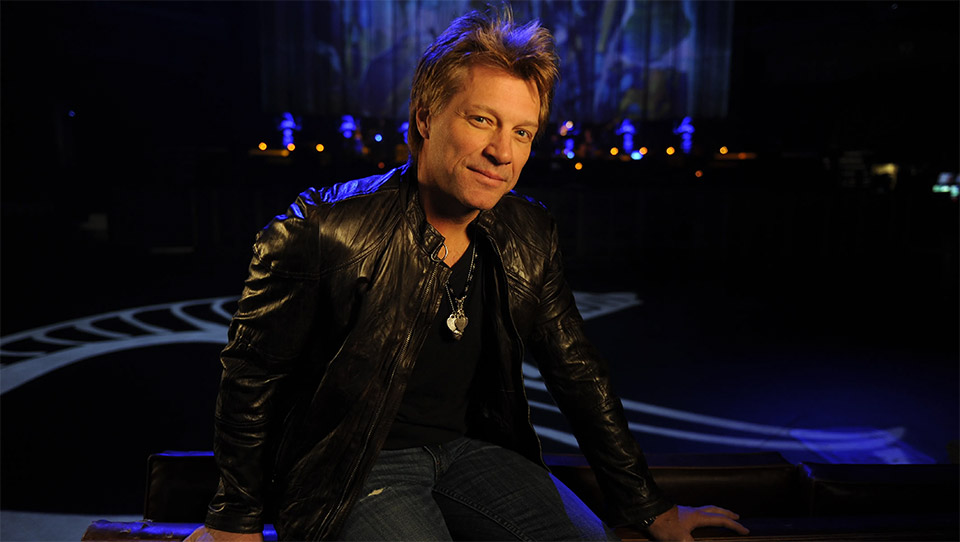
“All of our records are snapshots of the time they were made in. With this one, we’re coming to the end of Obama’s first term and America is recovering, financially, but lots of folks out there are struggling to piece their lives back together after a tough few years.”
– Jon Bon Jovi
Trying Hard To Capture The Moment
Lyrically, a weary Jon Bon Jovi is found treading a familiar path.
Much of What About Now’s 51-minute runtime is dedicated to tales of failed relationships, ageing, changing trends, and the uneasy feeling that the world isn’t what it used to be. These have long been themes that Jon Bon Jovi handles well, and the role of veteran rocker — part grizzled cowboy, part seasoned storyteller — is now so well-formed it’s hard to tell the character from the man.
The problem is that, without the crunching riffs and guitar firepower that once gave those sentiments weight, many of the lyrics begin to sound less like hard-earned reflection and more like weary complaints.
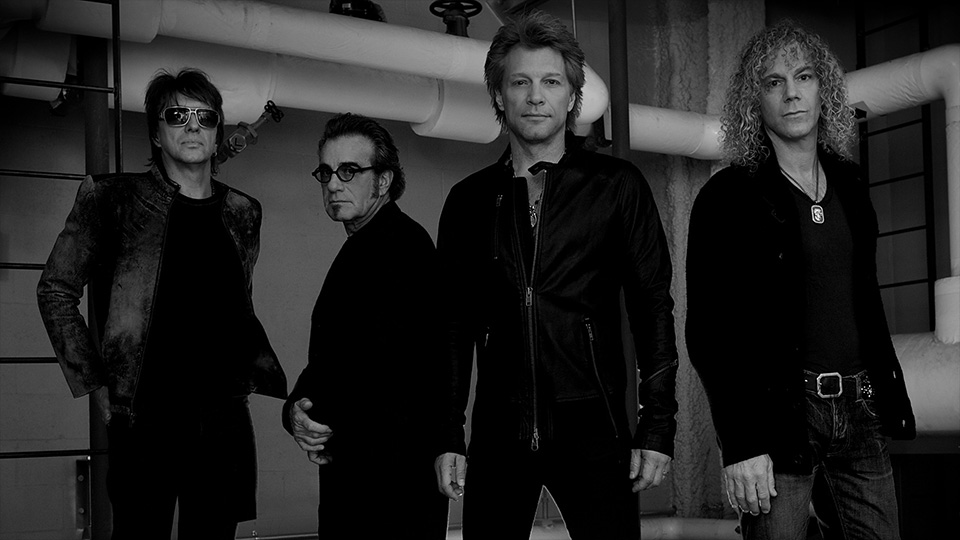
"Why they sold old CBGB's I just don't understand, all that's left now are the t-shirts and they come from Japan."

What's Left Of Me

The Departure Of Richie Sambora
Historically, What About Now will be remembered as the last Bon Jovi album to feature Richie Sambora.
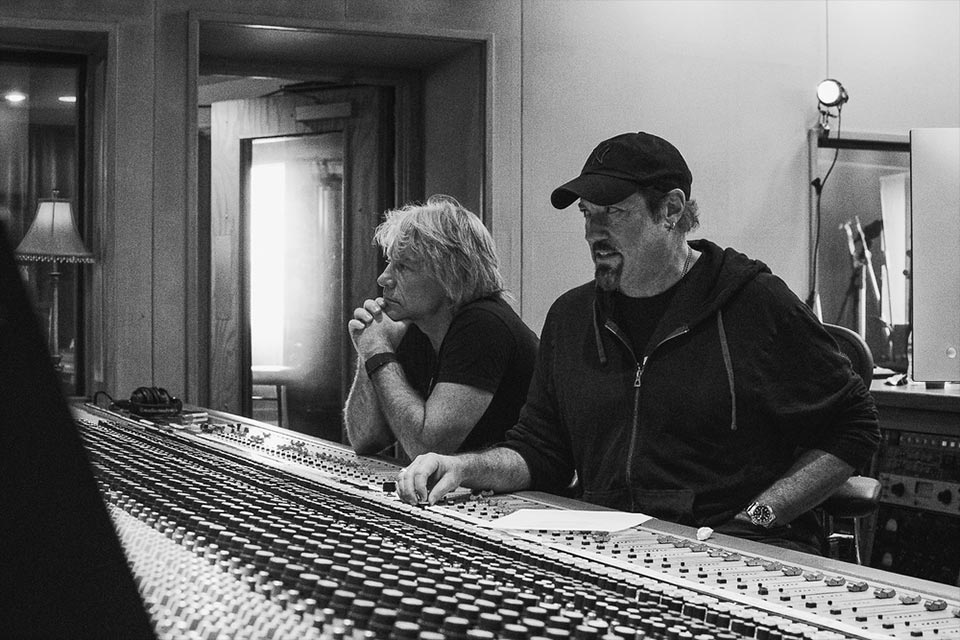
Reportedly furious with John Shanks’ glossy production of the record — which he accused of “stripping the soul from the music” — the legendary axeman is said to have reached breaking point when he arrived at the studio to lay down guitar tracks for acoustic effort The Fighter only to discover that Shanks had already recorded the parts himself.
The ultimate disrespect led to Sambora famously walking out on the band just three weeks into the accompanying Because We Can world tour; a sudden departure that would drive a permanent wedge between lifelong friends.
Bon Jovi scrambled to recruit Phil X to fill the vacancy, issuing a public statement that claimed Sambora had stepped away due to the toll a relentless touring schedule on his family life. Sambora, however, maintains that he was effectively forced out for voicing his concerns over Shanks’ increasing grip on the band’s creative decisions.
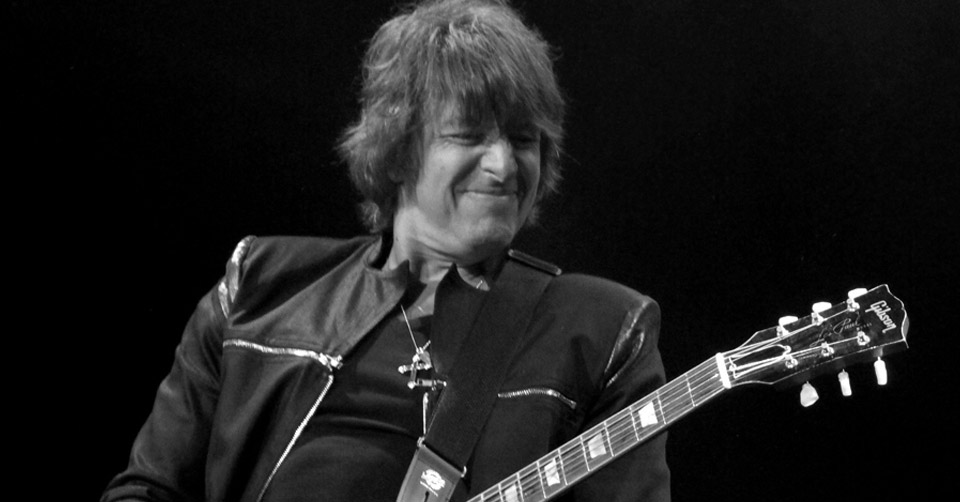
“My total honesty has always been my biggest value to this band, but now it’s unwelcome. I felt that we didn’t sound like Bon Jovi anymore on this record — we sounded stale, the soul was gone. As a leader within the group I believed it was my responsibility to say it out loud, but I knew I was exiled the moment those words left my lips.”
– Richie Sambora
Say It Isn’t So
In retrospect, Sambora’s frustrations are plain to see.
His guitar work — while perhaps lacking the razor-sharp edge of previous albums — is unnecessarily handicapped by the record’s glossy pop finish, leaving little room for the grit that once defined the band’s signature sound.
That same toothless gloss even softens Tico Torres’ thunderous drums, robbing the uptempo rockers of their intended impact.
Yet if What About Now’s heavier moments feel restrained, the ballads suffer a far worse fate; Bon Jovi’s knack for heartfelt, arena-sized anthems is modernised out of existence, leaving the slower tracks feeling uneventful, saccharine, and overly-polished.
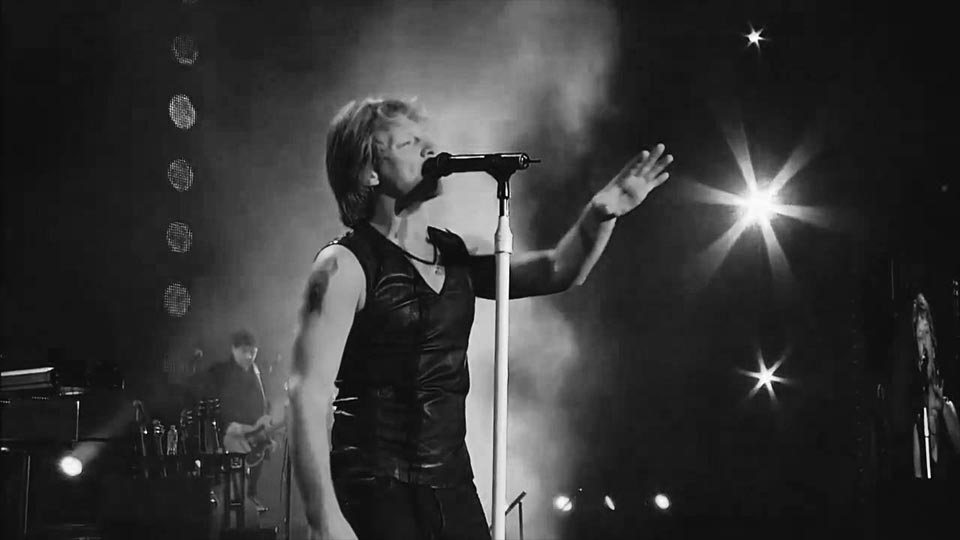
"They keep digging that grave, let them bury their heads."

Beautiful World
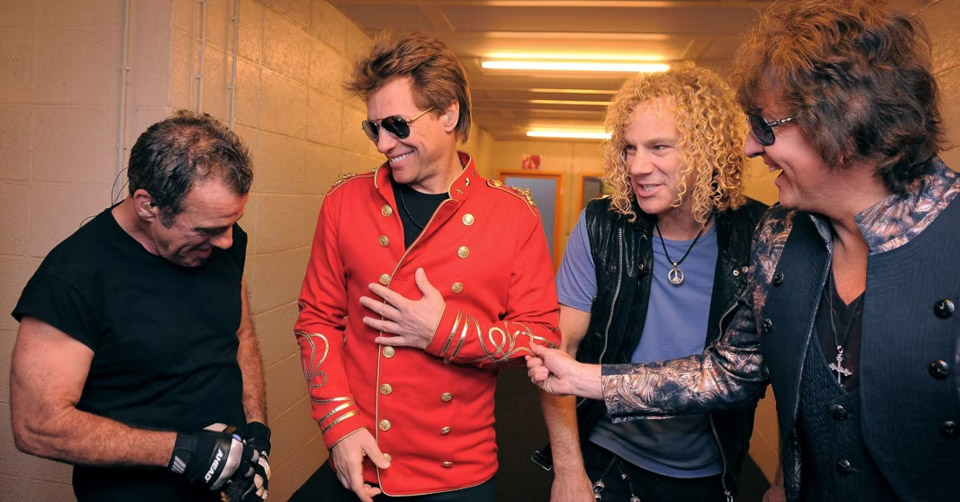
Bon Jovi – What About Now
Ultimately, the legacy of What About Now is not the music itself, but the irreparable fracture it exposed within the band.
While an exiled Richie Sambora fought to preserve the formula that had sustained the New Jersey rockers for thirty years, Jon Bon Jovi and John Shanks seemed determined to reshape their identity by pivoting away from the guitar-driven anthems that had long defined them.
In retrospect, Sambora clearly possessed the sharper vision. The band’s propensity for clichés and Hollywood-style happy endings invariably makes it difficult to take Bon Jovi as seriously as their frontman craves, and they simply do not hit as hard when making a conscious effort to sound like someone else.
FINAL VERDICT:
The fact that the album’s troubled backstory is more interesting than the music should tell you all you need to know.
★ ★ ★ ★
4/11
Weak
See Our Reworked Tracklist
These Go To Eleven
Reworked Tracklist
Our reworked running order attempts to plug the record’s momentum leaks by placing the huge rockers where the hooks land most forcefully.
Here’s how we recommend listening to Bon Jovi: What About Now (2013) for maximum impact:
- What About Now (3:45)
- That’s What The Water Made Me (4:24) ★
- I’m With You (3:44)
- Because We Can (4:00)
- With These Two Hands (3:58) ^★
- Pictures Of You (3:58)
- Amen (4:12)
- Into The Echo (5:04) ^
- Thick As Thieves (4:57)
- What’s Left Of Me (4:35)
- Beautiful World (3:48) ★
★ Standout track
^ Featured on the deluxe edition
– Excluded tracks: Army Of One (4:34), Room At The End Of The World (5:03), The Fighter (4:38), Not Running Anymore (4:44), Old Habits Die Hard (3:30), Every Road Leads Home To You (4:40)
STANDOUTS That’s What The Water Made Me · Beautiful World · With These Two Hands
MORE READING What About Now (2013) is part of our Bon Jovi review series.
Further reading
Continue the Bon Jovi story.

The first record of the post-Sambora era stands as proof that Bon Jovi’s instinct for survival remains their greatest strength.
“What About Now?”, asks Jon Bon Jovi, as he painfully tweaks the band’s trademark sound in search of critical acclaim on their twelfth studio LP.
Bon Jovi’s successful transition from rock to country sounds exactly like you expect it would.
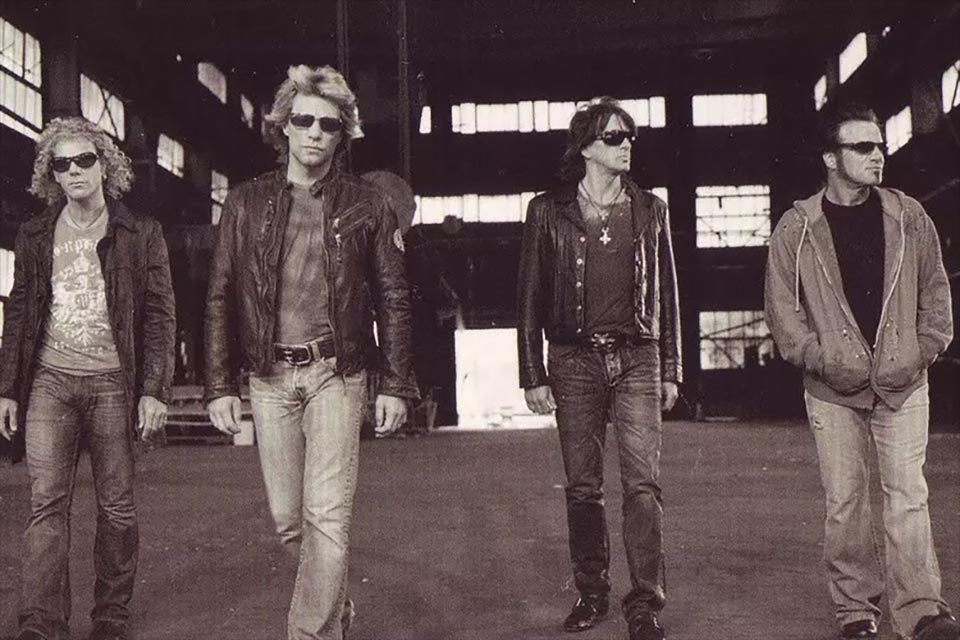
Explore the full Bon Jovi album guide
Few bands have navigated reinvention quite like Bon Jovi. From their mid-’80s breakthrough to the country detour of the 2000s and post-Sambora rebuild, their catalogue charts the evolution of arena rock across five decades.